What Is Considered an Arch in Dental Implants? A Simple Explanation

At Tampa Dental Implant, our team has years of experience helping patients restore their smiles using modern dental implant solutions. With extensive training in full-mouth reconstruction, implant surgery, and restorative dentistry, we've placed hundreds of full-arch restorations for people just like you. We understand how confusing some of the dental terms can be, especially when you're trying to make an informed decision about your health. That's why we're here to explain one of the most common questions we hear: what is considered an arch in dental implants?
Let’s break it down simply and clearly.
Understanding the Term “Arch” in Dental Implants
What Does “Arch” Mean in Dentistry?
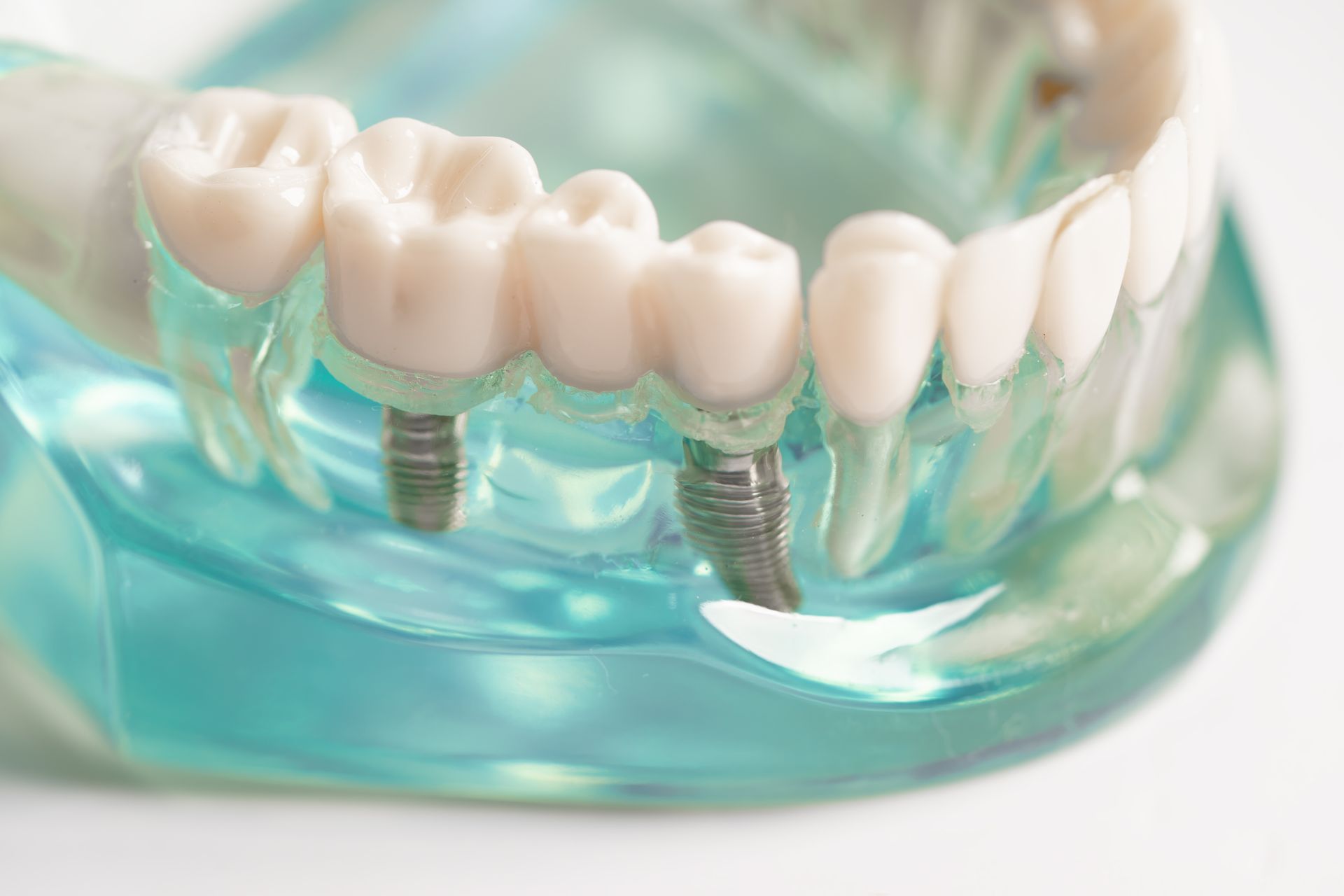
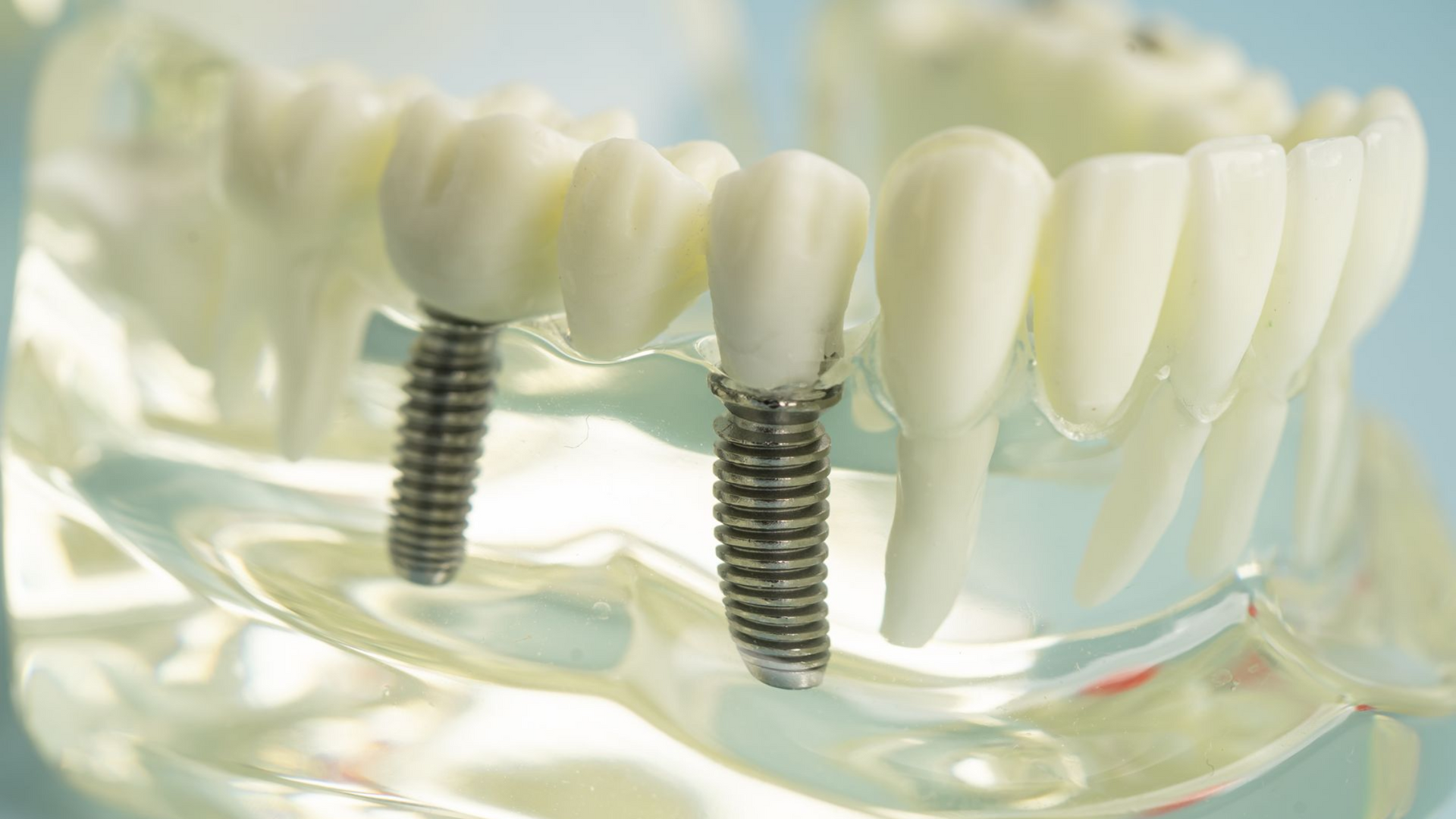
In dentistry, an arch refers to the curved shape of your teeth in either the upper or lower jaw. So, when we talk about a dental implant arch, we mean the group of teeth on the top (upper arch) or bottom (lower arch) of your mouth.
How Many Arches Are in the Mouth?
There are two arches in the mouth:
- The
upper dental arch (also called the maxillary arch)
- The
lower dental arch (also called the mandibular arch)
Each arch holds a full set of teeth, and in the case of tooth loss, each can be restored using implant solutions.
Why Arches Matter in Implant Planning
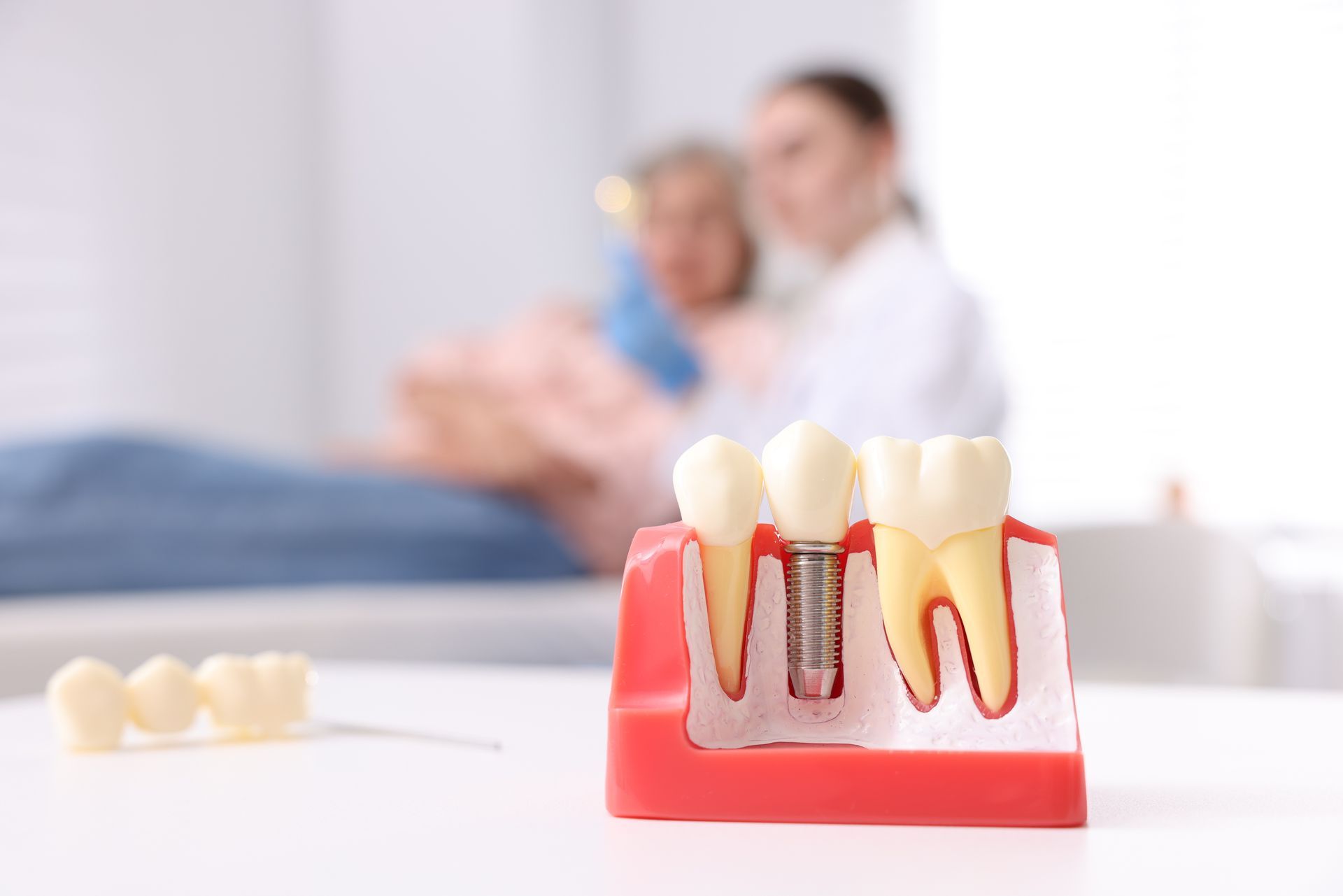
Understanding the concept of an arch is important because implant treatment plans are often based on how many arches need to be restored. A single arch dental implant treatment replaces just the top or bottom set of teeth, while a full mouth reconstruction would include both arches.
Types of Implant Arches
Full Arch Implants
A full arch implant refers to replacing all teeth in either the upper or lower jaw using a set of implants. These are common for patients with extensive tooth loss or severe damage.
Single Arch Restoration
Single arch dental implant treatment focuses on either the upper or lower teeth, but not both. This might be ideal for someone who still has healthy teeth in one arch but needs a full replacement on the other.
Upper vs. Lower Arch Differences
- The
upper arch usually has more bone support, making implant placement a bit easier.
- The
lower arch often requires more planning due to the location of the nerve and thinner bone structure.
This is why implant treatment is highly customized for each patient.
Common Full-Arch Dental Implant Solutions
All-on-4 Implants
The All-on-4® treatment concept is a popular full-arch solution. It uses just four strategically placed implants to support a full set of replacement teeth. This option is efficient, cost-effective, and often doesn't require bone grafting.
Implant-Supported Dentures
These are removable dentures that “snap on” to dental implants. They offer better stability than traditional dentures but can still be taken out for cleaning.
Fixed vs. Removable Full Arch Options
- Fixed full-arch implants (like All-on-4) are
permanently attached and look and feel like natural teeth.
- Removable implant dentures provide flexibility and are easier to clean but may not feel as secure.
Who Is a Candidate for Full Arch Implant Treatment?
Tooth Loss Extent and Bone Health
The more teeth missing, the more likely full arch implants are needed. Patients must also have enough healthy jawbone density to support implants or be willing to undergo bone grafting.
Lifestyle, Budget, and Medical Considerations
- Budget plays a role: Fixed options tend to
cost more upfront but last longer.
- Medical history, such as diabetes or smoking habits, can affect healing.
- Your
daily routine and
personal preferences also matter when choosing between fixed or removable options.
Benefits of Full Arch Implant Solutions
Stability and Function
Implant-supported teeth are stable and function like natural teeth, letting you chew, speak, and smile with confidence.
Aesthetic Improvements
These solutions restore the natural shape of your face and smile, giving you a more youthful, confident appearance.
Long-Term Oral Health
Unlike traditional dentures, dental implants stimulate bone and help prevent bone loss over time, supporting overall oral health.
Final Thoughts on Dental Arches and Implants
Understanding what an "arch" is in implant dentistry is key when exploring tooth replacement options. Whether you're considering a single arch implant, full arch restoration, or All-on-4, it's important to know how the arch system works and what your options are. With expert care and the right treatment plan, full-arch dental implants can offer a life-changing solution for patients dealing with extensive tooth loss.
Ready to Take the Next Step?
At Tampa Dental Implant, we specialize in implant-supported full arch restorations that are custom-designed to fit your needs. Book a consultation today to learn if you're a candidate for a full arch prosthesis or All-on-4 dental implant system.
Let’s help you smile confidently again, with expert guidance every step of the way.
Frequently Asked Questions
Share This Blog