
The Dental Implant Process: Step-by-Step Timeline Explained

The full dental implant process usually takes about 4 to 9 months from your first consultation to the final crown, depending on whether you need extra steps like an extraction or a bone graft. As a Tampa dental implant team that walks patients through every stage of treatment week in and week out, we have seen exactly where the timeline can speed up, where it slows down, and what makes each phase smoother. This guide breaks the full process down step by step so you know what to expect, how long each stage takes, and how to plan your life around it.
Understanding How Dental Implants Work
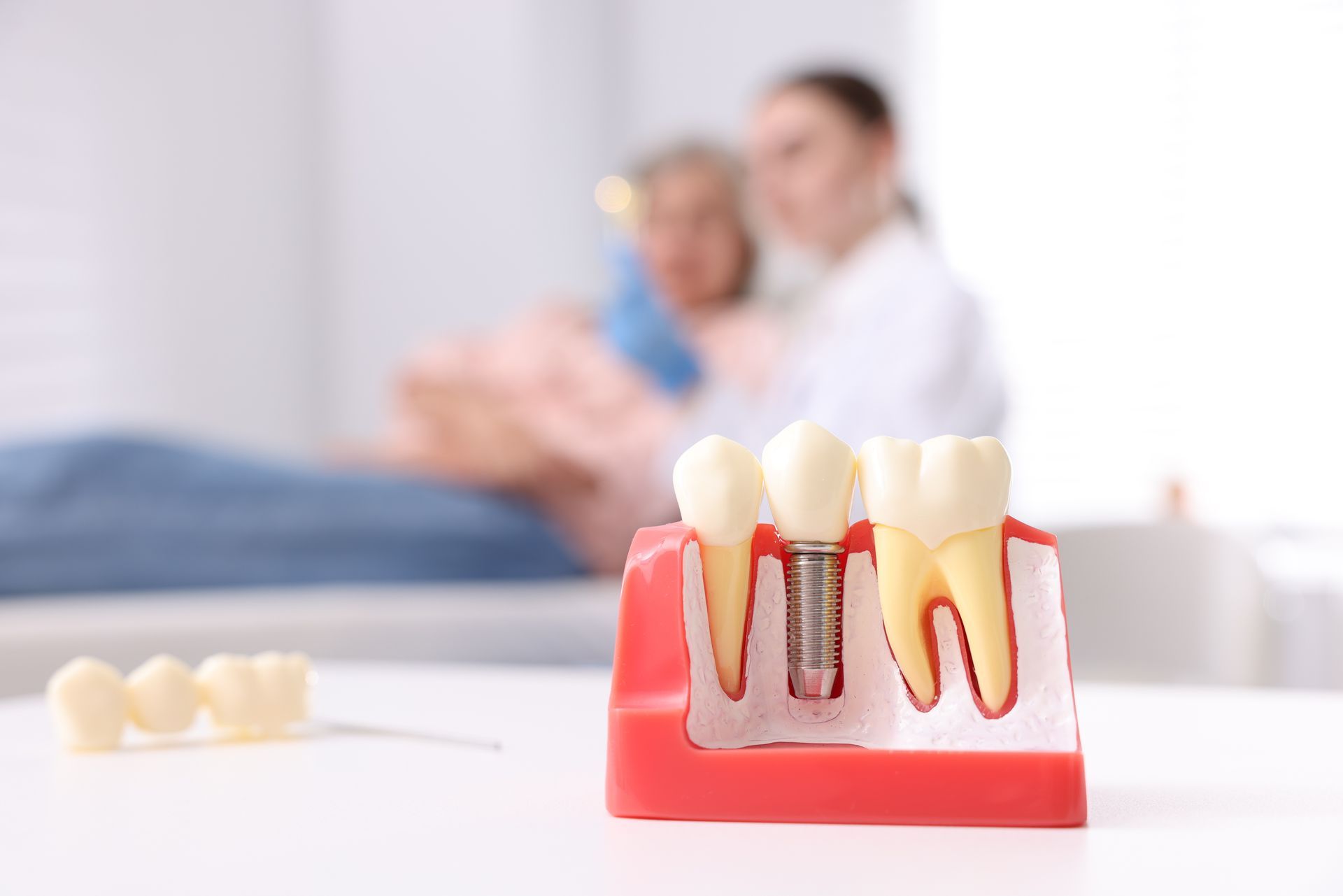
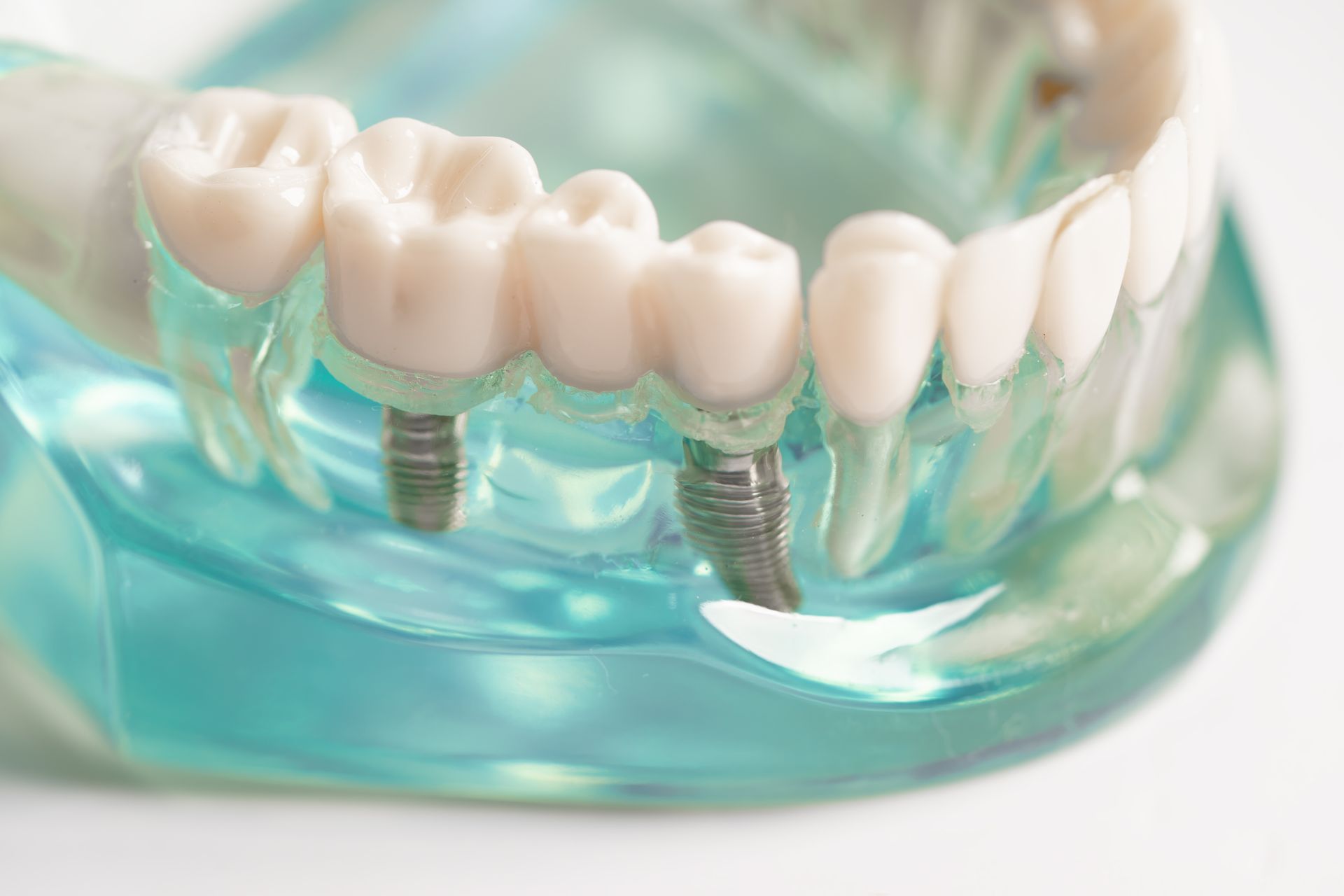
A dental implant is a small artificial tooth root made up of a few parts that work together to replace one or more missing teeth. Knowing what each piece does makes the rest of the process much easier to follow.
The three main parts of a dental implant are:
- The implant post that anchors into your jawbone
- The abutment that connects the post to the visible tooth
- The custom restoration that looks and works like a natural tooth
What Is a Dental Implant?
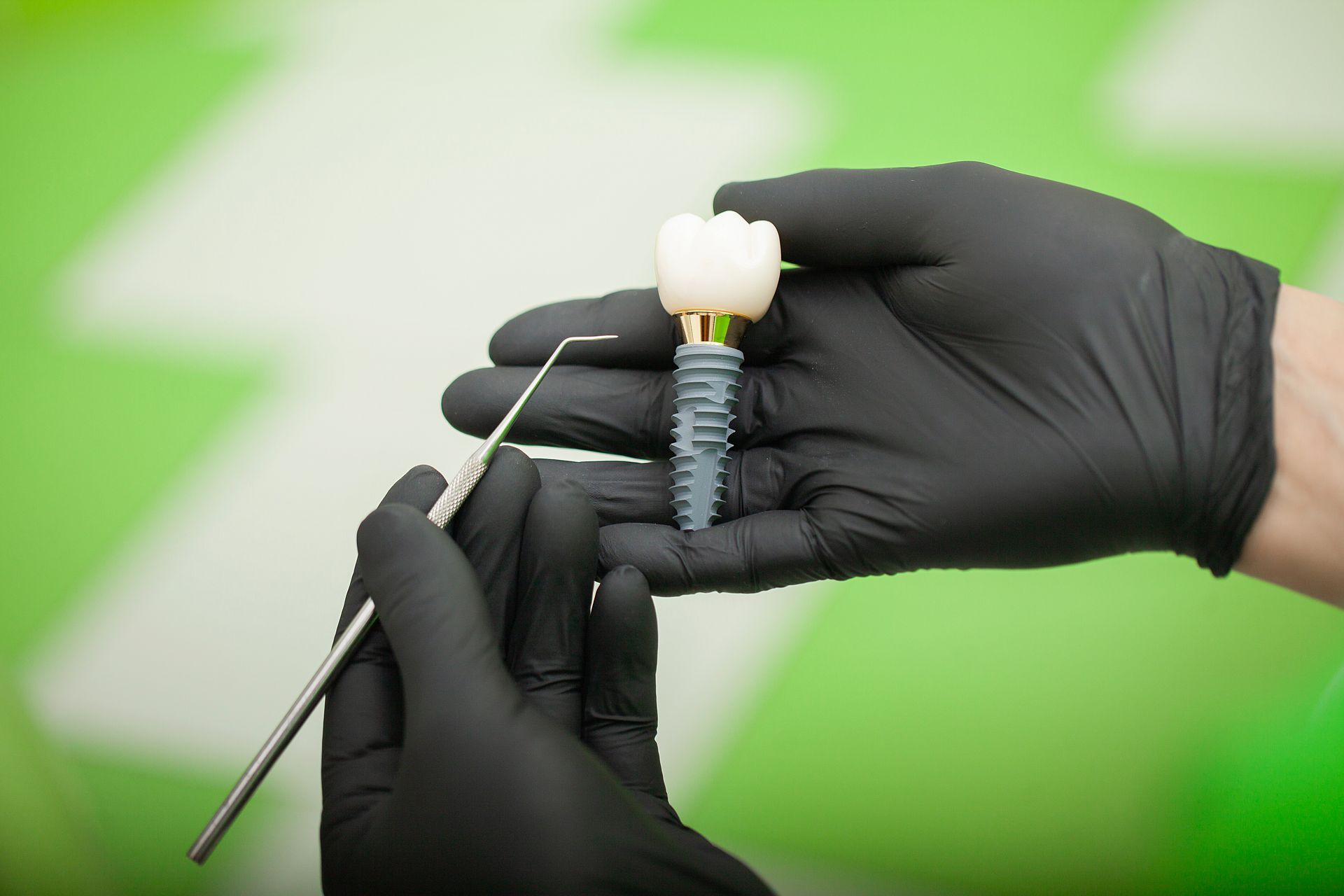
A dental implant is a small post, usually made of titanium, that is placed into the jawbone to act as a replacement root. Once it heals, a custom tooth is attached on top to complete the look and function of a real tooth.
The Three Main Parts of a Dental Implant
Every dental implant has three working parts. Each part has its own role in giving you a stable, natural-feeling tooth.
Implant Post
The implant post is the screw-shaped piece that goes into the jawbone. It is usually made from titanium because the metal bonds well to bone over time.
Abutment
The abutment is the small connector that sits on top of the implant post. It holds the final tooth in place and sits just above the gumline.
Custom Restoration
The custom restoration is the visible tooth. It can be a single crown, a bridge, or a full set of teeth, depending on what is being replaced.
Before Treatment Begins: Your Implant Consultation
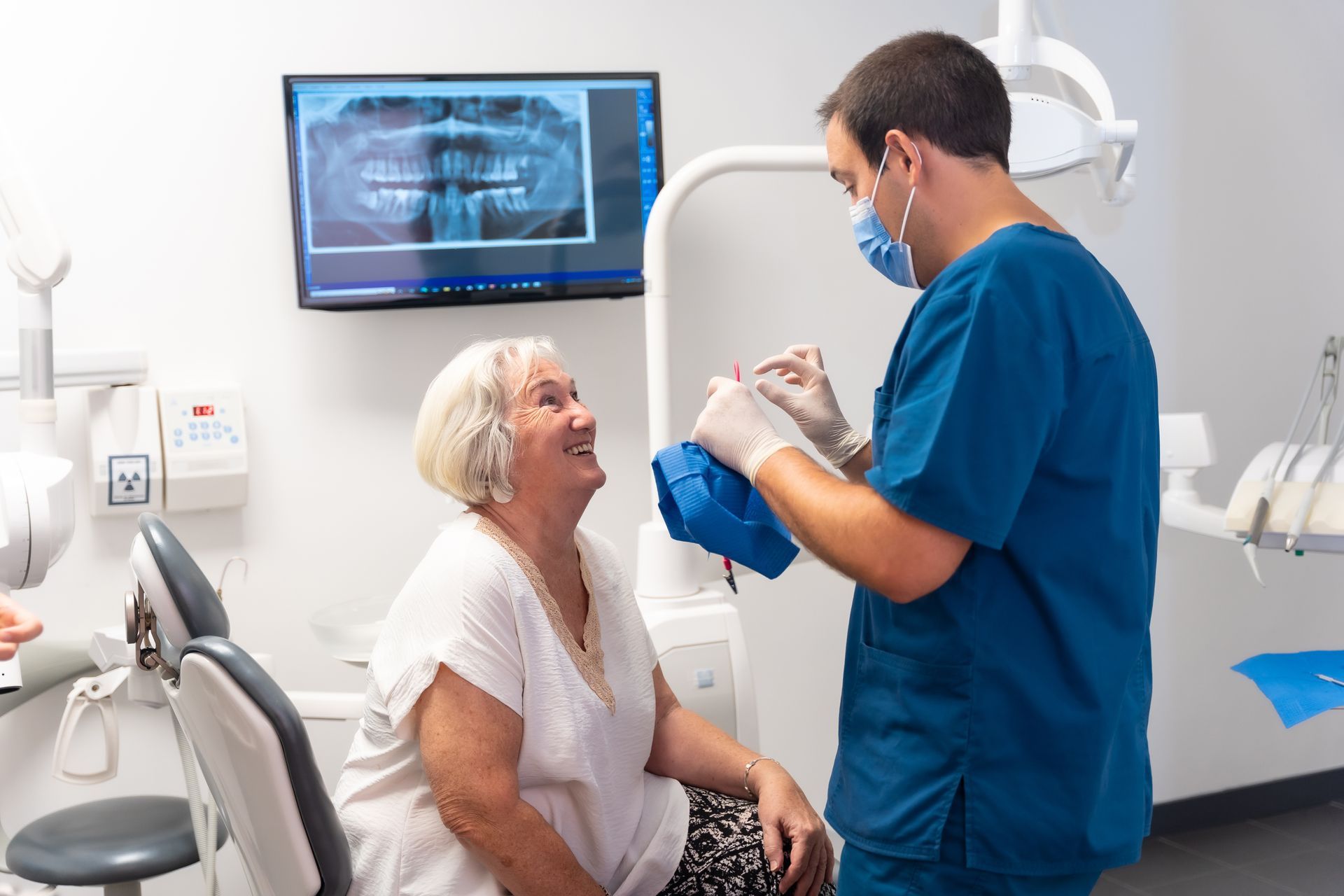
The first step in any implant journey is a full consultation. This visit sets up everything that follows.
Comprehensive Oral Examination
Your dentist checks your teeth, gums, jaw, and bite to look for anything that could affect the implant. This includes checking for gum disease, bone health, and other conditions that might need to be treated first.
Digital X-Rays and 3D Imaging
A 3D scan, called a CBCT scan, gives a detailed view of your jaw, sinuses, and nerves. This image helps your dentist plan the exact placement of the implant for the best fit and the safest outcome.
Determining Candidacy for Dental Implants
Most adults are good candidates for dental implants, but a few things can affect your eligibility. Your dentist will look at your bone volume, gum health, medical history, and any habits that could slow healing.
Creating a Personalized Treatment Plan
After the exam and imaging, your dentist creates a step-by-step plan made just for you. The plan includes your timeline, the number of visits, any extra procedures, and a full cost breakdown.
Preparing for Dental Implant Surgery
Some patients need extra steps before the implant can be placed. These steps add time but help make sure the implant is set up to succeed long term.
Tooth Extraction When Necessary
If the tooth being replaced is still in your mouth, it needs to come out first. Some dentists can place the implant at the same time as the extraction, while others wait for the area to heal first.
Bone Grafting and Jawbone Preparation
When the jawbone has lost volume in the area, a bone graft adds material to rebuild the support the implant needs. The graft usually takes 3 to 6 months to heal before the implant can go in.
Sinus Lift Procedures for Upper Jaw Implants
For upper back teeth, the sinus cavity sits very close to the jawbone. A sinus lift gently raises the sinus membrane and adds bone, giving the implant enough support to last.
Healing Time Before Implant Placement
If you needed an extraction, bone graft, or sinus lift, your mouth needs to heal before the implant goes in. Most cases need 3 to 6 months of healing time for these prep steps.
The Implant Placement Procedure
Once your mouth is ready, the implant surgery itself is usually shorter and easier than most patients expect.
What Happens During Implant Surgery?
The dentist numbs the area, makes a small opening in the gum, and places the implant post into the jawbone. The whole procedure for a single implant usually takes about 1 to 2 hours.
Local Anesthesia and Sedation Options
Most patients are comfortable with just local anesthesia, which numbs the area. For patients with anxiety or for longer cases, sedation options like nitrous oxide, oral sedation, or IV sedation are available.
Positioning the Implant Within the Jawbone
The dentist uses the 3D imaging and treatment plan to place the implant in the exact right spot, at the right depth, and at the correct angle. Careful planning lowers the risk of complications and helps the final tooth look natural.
Immediate vs. Delayed Implant Placement
Immediate placement means the implant goes in at the same visit as an extraction. Delayed placement waits weeks or months for the bone to heal first. Your dentist will recommend the best option based on your case.
The Healing Phase: Osseointegration Explained
After the implant is placed, it needs time to fuse with the jawbone. This is the longest stage of the whole process, but it is also the most important.
What Is Osseointegration?
Osseointegration is the natural process where the jawbone grows around the titanium post, locking it into place. This is what makes the implant strong enough to chew on like a real tooth.
How Long Does Implant Healing Take?
For most patients, osseointegration takes 3 to 6 months. The implant recovery time can vary depending on bone quality, your overall health, and how closely you follow aftercare instructions.
Factors That Can Affect Healing Time
Several things can speed up or slow down healing.
Bone Density and Quality
Patients with denser, healthier bone tend to heal faster. Those with softer or thinner bone may need a longer healing window.
Smoking and Lifestyle Habits
Smoking slows blood flow and reduces oxygen, both of which delay healing. Quitting or pausing during recovery gives your implant a much better chance of success.
Overall Oral Health
Good oral hygiene, controlled gum disease, and a healthy diet all support faster, smoother healing.
The Second Stage of the Implant Process
Once the implant has fused with the bone, it is time to prepare for the final tooth.
Placing the Healing Abutment
The dentist places a small healing abutment on top of the implant. It sticks up just above the gumline and shapes the gum tissue while the final crown is being made.
Shaping the Gum Tissue Around the Implant
Over the next 1 to 2 weeks, the gum heals around the abutment to form a natural-looking collar. This shaping step makes sure the final crown blends in with the gum line.
Preparing for the Final Restoration
With the gum shaped and the implant fully healed, the dentist takes impressions and begins working on your custom crown.
Creating and Attaching the Final Crown
This is the stage most patients look forward to. After months of healing, the final tooth is ready to be placed.
Taking Digital Impressions
Most offices now use a small digital scanner to capture the shape of your teeth and bite. This is faster, more comfortable, and more accurate than older putty molds.
Designing a Natural-Looking Replacement Tooth
The crown is made in a dental lab using your scan, the color of your other teeth, and the planned shape of your bite. The goal is a tooth that no one can tell is not your own.
Securing the Custom Crown to the Implant
Once the crown is ready, the dentist swaps the healing abutment for the final abutment and attaches the crown. This visit usually takes about an hour.
Checking Bite, Function, and Appearance
Before you leave, the dentist checks how the crown feels, how it lines up with your bite, and how it looks. Small adjustments are made until everything fits and works perfectly.
Typical Dental Implant Timeline From Start to Finish
Most single-tooth implant cases take about 4 to 9 months from start to finish. Here is a quick summary of each stage:
| Stage | What Happens | Typical Duration |
|---|---|---|
| Consultation and Planning | Exam, 3D imaging, treatment plan | 1 to 2 weeks |
| Preparation (if needed) | Extraction, bone graft, or sinus lift | 0 to 6 months |
| Implant Placement | Surgery to place the implant post | 1 to 2 hours |
| Osseointegration | Bone fuses to the implant | 3 to 6 months |
| Abutment and Gum Shaping | Healing abutment placed, gum shaped | 1 to 2 weeks |
| Final Crown Placement | Impressions, crown placed, bite checked | 2 to 4 weeks |
Different case types follow different paths. Here is how the most common ones compare:
| Case Type | Estimated Total Timeline | Best For |
|---|---|---|
| Same-Day Implant | 1 day for placement, 3 to 6 months for full restoration | Patients with healthy bone and good gum health |
| Standard Single Tooth | 4 to 6 months total | Most single missing tooth cases |
| Implant with Bone Graft | 8 to 12 months total | Patients with bone loss in the area |
| Full-Arch Restoration | 4 to 6 months for permanent teeth | Patients missing all teeth in one jaw |
Same-Day Implant Cases
Some patients qualify for same-day dental implants, where the implant post and a temporary tooth are placed in a single visit. The final crown is still added after the bone fully heals.
Standard Single-Tooth Implant Timeline
For most single missing tooth cases, the full process takes about 4 to 6 months from consultation to final crown.
Implant Cases Requiring Bone Grafting
Adding a bone graft usually extends the timeline by 3 to 6 months, bringing the total to about 8 to 12 months from start to finish.
Factors That May Extend Treatment Time
A few things can stretch out the timeline:
- The need for an extraction, bone graft, or sinus lift
- Smoking or slow wound healing
- Uncontrolled gum disease or diabetes
- Missed appointments or delays in lab work
- Premium custom crown materials that take longer to make
Recovery and Aftercare at Every Stage
Each stage has its own recovery routine. Following the instructions for each phase keeps the timeline on track.
Caring for Your Mouth After Surgery
For the first few days, keep the area clean by gently rinsing with warm salt water. Avoid brushing the surgical site directly until your dentist says it is safe.
Foods to Eat During Recovery
Soft, cool foods are the best choice during the early days of recovery. Here is a quick guide to what to eat with dental implants at each stage:
| Stage | Recommended Foods | Foods to Avoid |
|---|---|---|
| First 24 to 48 hours | Smoothies, broth, yogurt, applesauce | Hot foods, spicy foods, alcohol, straws |
| First 1 to 2 weeks | Eggs, soft pasta, mashed potatoes, soft fish | Crunchy, sticky, or chewy foods |
| Weeks 2 and beyond | Most foods, chew on the opposite side | Hard nuts, ice, sticky candy on the implant side |
| After final crown | Normal diet | Ice cubes, popcorn kernels, very hard candy |
Warning Signs to Watch For
Most patients heal smoothly, but call your dentist if you notice:
- Heavy bleeding that does not slow within a few hours
- Severe pain that gets worse instead of better
- Swelling that increases after the third day
- Fever or chills
- A loose or shifting implant
Follow-Up Visits and Monitoring
Your dentist will schedule check-ins to make sure healing is on track. These visits often happen at 1 week, 1 month, and again before the final crown is placed.
Situations That Can Change the Implant Process
Some cases follow a different timeline. Knowing where yours fits helps set realistic expectations.
Replacing a Recently Extracted Tooth
If the tooth was just removed, the implant can sometimes be placed at the same visit. Learn more about replacing a tooth right after extraction to see if this approach might fit your case.
Multiple Dental Implants
When more than one tooth needs to be replaced, the dentist may place several implants in a single surgery to save you time and visits.
Full-Arch Implant Treatments
For patients missing most or all teeth in one jaw, full-arch implant treatments use a smaller number of implants to support a permanent set of replacement teeth.
Patients With Bone Loss
Patients who have been missing teeth for years often have some bone loss. A bone graft, sinus lift, or special technique like zygomatic implants may be needed to restore support before placement.
Benefits of Completing the Dental Implant Process
Once the full process is complete, you can expect to:
- Eat and chew the same foods you enjoyed before
- Speak clearly without slipping or whistling
- Smile with confidence knowing your tooth looks natural
- Keep your jawbone strong in the area of the missing tooth
- Stop the shifting of nearby teeth into the gap
Restoring Natural Function and Comfort
Once the implant heals and the crown is in place, you can eat, speak, and chew as if your natural tooth had never left.
Preserving Jawbone Health
A missing tooth allows the jawbone underneath to shrink over time. An implant is the only replacement that acts like a real root and stops this bone loss.
Preventing Teeth From Shifting
When a tooth is missing, the nearby teeth slowly drift into the empty space. An implant holds the spot and keeps the rest of your bite where it belongs.
Long-Term Durability and Stability
A well-placed and well-cared-for implant can last decades. Many implants stay in place for life, with only the crown needing occasional replacement.
What to Expect at Your Dental Implant Consultation
A good consultation should leave you with a clear plan, a realistic timeline, and a written estimate.
Questions Your Dentist May Ask
Your dentist will likely ask about:
- Your medical history and current medications
- How long the tooth has been missing
- Any past dental work, including extractions or grafts
- Habits like smoking or grinding your teeth
- Your goals for the final result
Information You Should Bring
To make the visit smoother, bring:
- Your dental and medical insurance cards
- A list of your current medications and any allergies
- Any past x-rays or treatment records
- Written questions about cost, timeline, and aftercare
Understanding Your Timeline and Treatment Options
The dentist will walk you through the recommended path, explain how long each phase will take, and answer questions about other options that might fit your case.
Receiving a Customized Treatment Estimate
At the end of the visit, you should get a clear, itemized estimate. This breaks down each step of the treatment and gives a full picture of your implant costs so there are no surprises later.
Ready to Start Your Dental Implant Journey?
A dental implant is one of the most reliable ways to replace a missing tooth and protect your long-term oral health. If you are in the Tampa area and want to know exactly what your timeline would look like, schedule a consultation to get a full evaluation, your own 3D scan, and a clear treatment plan built around your goals. Our team is here to answer every question, walk through every stage, and help you start your implant journey with confidence.
Frequently Asked Questions
Share This Blog