What Does a Single Tooth Implant Cost? Factors Explained

A single tooth implant usually costs between $3,000 and $6,000 in the Tampa area when you add up the implant post, the abutment, and the crown. That price covers the full replacement for one tooth, not just one piece of the process. As a Tampa dental implant team that plans, places, and restores single tooth implants every week, we know how confusing the numbers can feel when one office quotes one price and another quotes something very different. This guide breaks the cost down piece by piece, explains why the total can change from patient to patient, and helps you walk into any consultation with clear expectations.
Understanding the Cost of a Single Tooth Implant
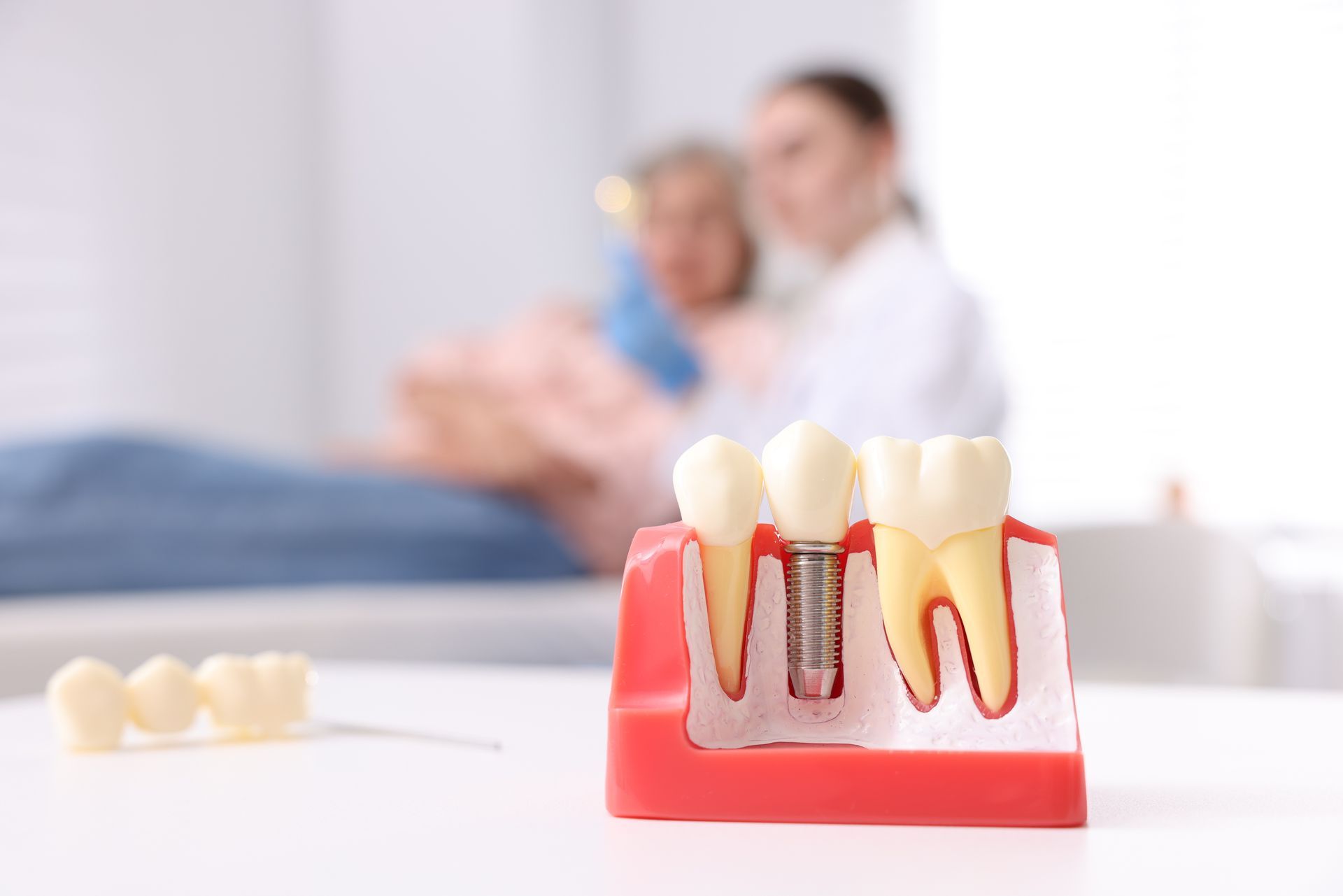
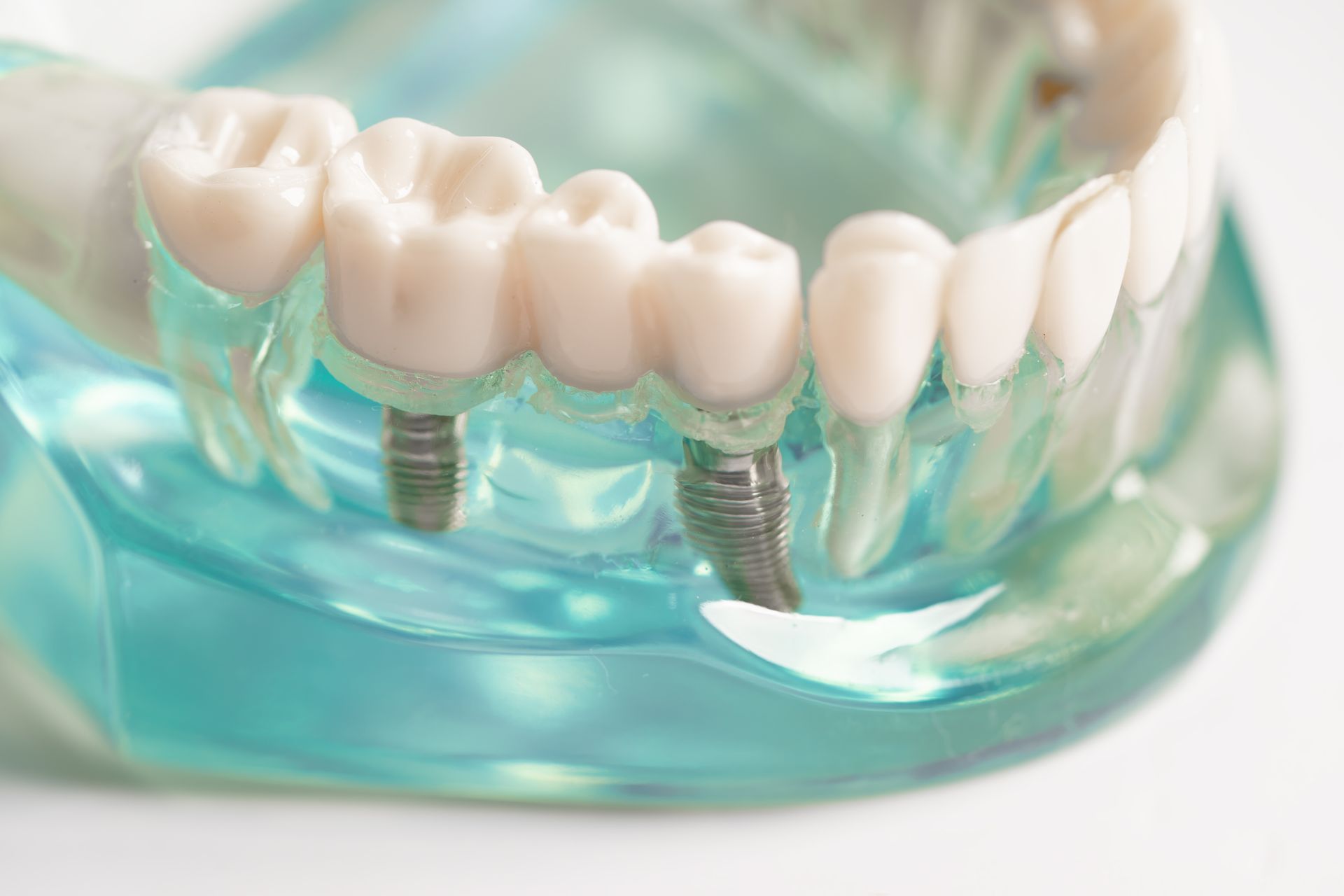
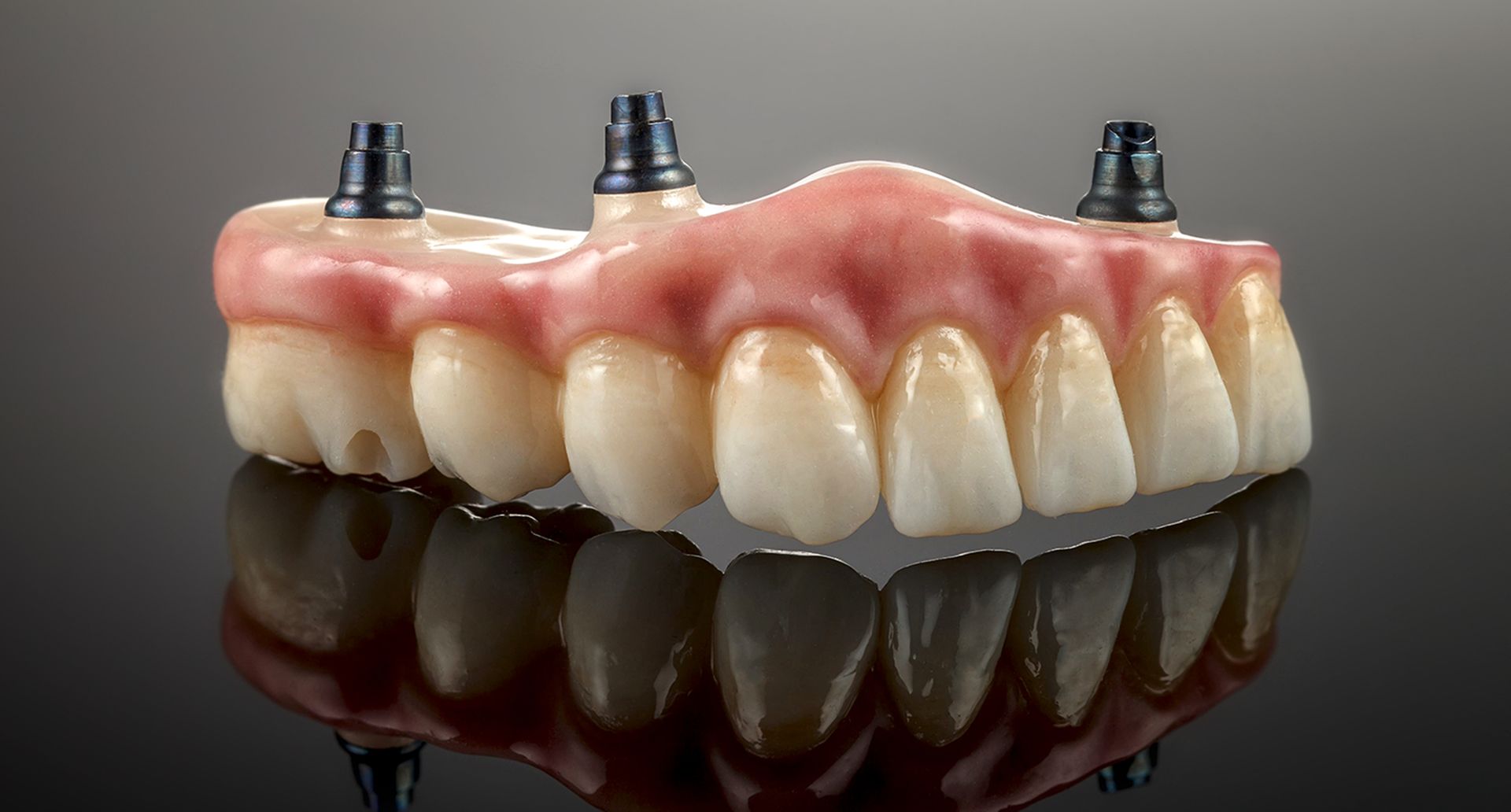
A single tooth implant is made up of a few parts that all work together to replace one missing tooth. Each part has its own cost, and most quotes you receive should include all of them.
Average Cost Range for a Single Tooth Implant
In most parts of Florida, a single tooth implant ranges from about $3,000 to $6,000 for the complete treatment. The price lands at the lower end for a simple case and climbs higher when extra steps like bone grafting or sinus lifts are needed. Always ask for an itemized quote so you know exactly what the number includes.
What Is Included in the Total Cost?
A full single tooth implant price usually covers four main items.
Implant Post
The implant post is the small screw-shaped piece that goes into your jawbone. It acts as the new root for your replacement tooth. Most posts are made from titanium, though some are made from zirconia.
Abutment
The abutment is the connector piece that sits on top of the implant post. It links the post to the crown above the gumline.
Custom Dental Crown
The crown is the visible part of the tooth. It is shaped, sized, and color-matched to blend in with the rest of your smile.
Exams, Imaging, and Treatment Planning
Before any surgery, your dentist needs a 3D scan of your mouth, a full exam, and a written treatment plan. These planning steps are usually folded into the total price, but some offices list them as separate fees.
Here is how the typical cost breaks down by component:
| Implant Component | Typical Cost Range | What It Does |
|---|---|---|
| Implant Post | $1,000 to $3,000 | Acts as the new tooth root in the jawbone |
| Abutment | $300 to $700 | Connects the post to the crown |
| Custom Crown | $1,000 to $3,000 | The visible tooth, matched to your smile |
| Imaging and Planning | $200 to $500 | 3D scan and full treatment plan |
These ranges are general estimates. Your actual quote will depend on your specific case and the office you visit.
Why Single Tooth Implant Costs Vary from Patient to Patient
Two patients can walk into the same office, get the same procedure, and pay very different amounts. Here is why that happens.
A few key factors push the price up or down:
- Where the office is located
- The provider's experience and training
- The implant brand and material
- The complexity of your case
- Whether you need extra procedures like a bone graft
Location and Geographic Pricing Differences
Dental fees follow the local cost of living. Implants in larger cities tend to cost more than the same treatment in smaller towns or rural areas.
Dentist Experience and Specialized Training
A general dentist who places a few implants each year usually charges less than a specialist who places implants every day. The higher fee often reflects extra years of training in oral surgery, prosthodontics, or implant dentistry.
Implant Brand and Material Selection
There are several trusted implant brands on the market. Premium brands often cost more because of the research behind them and the long track record of success.
Complexity of the Case
A front tooth implant in a healthy mouth is simpler than a back molar implant in a patient with bone loss. The harder the case, the more time, planning, and material it takes, which raises the cost.
Additional Procedures That Can Affect the Final Price
Some patients need extra steps before the implant can be placed. These are not always required, but they can change the total.
Tooth Extraction Before Implant Placement
If the broken or damaged tooth is still in the mouth, it has to come out first. A simple extraction adds a smaller fee, while a surgical extraction costs a bit more.
Bone Grafting for Jawbone Support
When a tooth has been missing for a while, the bone around it starts to shrink. A bone graft rebuilds that area so the implant has something solid to anchor into.
Sinus Lift Procedures
For upper back teeth, the sinus cavity sits very close to the jawbone. A sinus lift adds bone in this area so the implant has enough support to last.
Temporary Tooth Replacement Options During Healing
While the implant heals, some patients want a temporary tooth to fill the gap. Common options include a flipper, a temporary bridge, or a removable retainer-style tooth.
Here is a quick look at the typical cost of common add-on procedures:
| Additional Procedure | When It Is Needed | Typical Cost Range |
|---|---|---|
| Tooth Extraction | A damaged tooth still needs to be removed | $150 to $650 |
| Bone Graft | Jawbone has shrunk where the tooth is missing | $300 to $3,000 |
| Sinus Lift | Upper back tooth, sinus is too close to bone | $1,500 to $5,000 |
| Temporary Tooth | You want a placeholder during healing | $300 to $1,500 |
Not every patient needs these. Your dentist will tell you which, if any, apply to your case during the consultation.
Breaking Down the Single Tooth Implant Process
Knowing the steps helps you understand why the cost is what it is. Each stage takes time, skill, and specialized tools.
- Initial consultation and digital imaging to plan the case
- Implant placement surgery to set the post in the bone
- Healing and osseointegration while the bone grows around the implant
- Abutment and crown placement to finish the new tooth
Initial Consultation and Digital Imaging
Your first visit covers a full exam, a 3D scan of your jaw, and a discussion of your goals. The dentist uses this information to plan exactly where the implant should go.
Implant Placement Surgery
The implant post is placed into your jawbone during a short surgical visit. Most patients are comfortable with local anesthesia, though sedation is available if you prefer.
Healing and Osseointegration
Over the next three to six months, the bone grows around the implant in a process called osseointegration. The implant recovery time can vary from patient to patient, but this is what makes the implant strong enough to chew on for years.
Abutment and Crown Placement
Once healing is done, the abutment is added and the custom crown is placed on top. Your implant now looks and works like a natural tooth.
Single Tooth Implant vs. Other Tooth Replacement Options
A single tooth implant is not the only way to replace a missing tooth. Here is how it stacks up against a bridge and a partial denture.
Dental Implant vs. Dental Bridge
A bridge uses the two teeth on either side of the gap as anchors. It costs less upfront but requires grinding down healthy teeth, and it usually needs replacement every 10 to 15 years.
Dental Implant vs. Partial Denture
A partial denture is a removable piece with a fake tooth attached to it. It is the cheapest option, but also the least stable and the least comfortable for most patients.
Comparing Long-Term Costs and Maintenance
| Option | Typical Upfront Cost | Average Lifespan | Affects Nearby Teeth |
|---|---|---|---|
| Single Tooth Implant | $3,000 to $6,000 | 20 plus years to lifetime | No |
| Dental Bridge | $1,500 to $4,500 | 10 to 15 years | Yes |
| Partial Denture | $700 to $2,500 | 5 to 8 years | Sometimes |
Over a lifetime, an implant often costs less because it usually does not need to be replaced.
Does Dental Insurance Cover Single Tooth Implants?
Insurance coverage for implants has improved over the years, but most plans still cover only part of the treatment.
What Insurance Plans May Help Cover
Many plans cover the crown portion, and some cover a percentage of the implant placement. A few newer plans treat implants like other major restorations and pay a larger share.
Common Coverage Limitations
Most dental plans have a yearly maximum benefit, often around $1,000 to $2,000. Implants usually cost more than this cap, so out-of-pocket costs are common. Things to watch for in your plan include:
- Yearly maximum limits that reset each plan year
- Waiting periods before major work is covered
- Missing tooth clauses that exclude teeth lost before the policy started
- Frequency limits on crowns and imaging
Using HSA and FSA Funds for Implant Treatment
A health savings account or flexible spending account can be used for implant treatment. This lets you pay with pre-tax dollars, which lowers your real out-of-pocket cost.
Financing Options for Dental Implants
Most patients use some form of payment plan to spread out the cost of treatment.
A few smart ways to bring the cost down without cutting corners on quality:
- Pay with HSA or FSA funds to use pre-tax dollars
- Ask about cash-pay or upfront-payment discounts
- Bundle treatments if you need other dental work at the same time
- Apply for third-party financing like CareCredit
- Check if your employer offers a dental discount or membership plan
Monthly Payment Plans
Many dental offices offer in-house payment plans that break the total into smaller monthly amounts.
Third-Party Financing Programs
Companies like CareCredit and LendingClub offer dental financing with options for low interest or no interest if paid within a set time.
Factors That Influence Financing Approval
Approval usually depends on your credit score, income, and the total amount you are financing. Most offices help you apply right during your consultation.
Are Single Tooth Implants Worth the Investment?
Cost matters, but so does long-term value. Here is what you get in return for the price.
For most patients, the long-term benefits include:
- Stopping jawbone loss in the area of the missing tooth
- Leaving the teeth on either side untouched
- Lasting decades with proper care
- Looking and feeling like a natural tooth
- Restoring normal chewing and speech
Preserving Jawbone Health
When a tooth is missing, the bone underneath slowly shrinks. An implant is the only replacement that stops this bone loss because it works like a natural tooth root.
Protecting Adjacent Teeth
Unlike a bridge, an implant does not require any work on the teeth next to it. Your healthy teeth stay healthy.
Long-Term Durability and Function
A well-cared-for implant can last decades. It also lets you chew, speak, and smile without thinking about it.
Natural Appearance and Confidence
A custom crown blends in with your other teeth so well that most people will never know it is there.
How to Get an Accurate Estimate for Your Implant Treatment
The only way to know your exact cost is to schedule a consultation. Still, you can prepare so the estimate is more useful.
Questions to Ask During Your Consultation
A few smart questions can clear up the numbers fast:
- What is included in the total price?
- Will I need any extra procedures like a bone graft or extraction?
- What brand of implant do you use?
- What payment and financing options do you offer?
- What happens if there is a complication during healing?
You can also review our full list of questions to ask your implant dentist before your visit.
Understanding Itemized Treatment Costs
Ask for the price of the implant post, the abutment, the crown, and the imaging fees in writing. This makes it much easier to compare quotes from different offices.
Identifying Potential Additional Expenses
Common add-on costs to ask about include:
- Bone grafting
- Sinus lift
- Tooth extraction
- Sedation or anesthesia upgrades
- Temporary tooth replacement during healing
Knowing about these upfront prevents surprises later.
Choosing the Right Provider for Single Tooth Implant Treatment
The provider matters as much as the price. A lower fee from an inexperienced dentist can lead to higher costs later if something goes wrong.
Credentials and Implant Experience
Look for a dentist or specialist with focused training in implantology and a steady history of placing implants. Years of hands-on experience make a real difference in the final result.
Technology and Treatment Planning Capabilities
Modern implant offices use 3D scans and digital planning software to place implants with precision. This lowers the risk of problems and shortens recovery time.
Before-and-After Cases and Patient Results
Ask to see photos of past cases similar to yours. Real patient results tell you more than any marketing claim.
What to Expect During Your Implant Consultation
Your consultation should be calm, clear, and focused on you.
Bring these items with you to make the visit more productive:
- Your dental insurance card and benefits summary
- A list of current medications and any allergies
- Recent dental records or x-rays from past dentists
- Notes on any pain or symptoms in the area
- Written questions about cost, timeline, and implant brand
Comprehensive Oral Evaluation
The dentist checks your teeth, gums, bite, and bone health. This helps confirm you are a good candidate for an implant.
Review of Treatment Options
You should leave knowing your full range of choices, not just the most expensive one.
Personalized Cost Estimate and Timeline
A good consultation ends with a written estimate that lists every part of the treatment, the timeline, and the available payment options.
Next Steps Toward Replacing Your Missing Tooth
If you are ready to move forward, the office will schedule your imaging, surgery, and follow-up appointments.
Ready to Replace Your Missing Tooth?
A single tooth implant is one of the most reliable ways to restore your smile, protect your jawbone, and chew with confidence. If you are weighing your options in the Tampa area, schedule a consultation to get a personalized estimate, see your own 3D scan, and walk through exactly what your treatment would look like. Our team is here to answer your questions, explain every fee, and help you choose the path that fits your goals and your budget.
Frequently Asked Questions
Share This Blog