
All-on-4 vs Dentures: Which Is Better for Long-Term Results?

At Dental Implants Tampa, we have helped hundreds of patients work through this exact decision. Our team specializes in full-arch implant restorations, and we see firsthand how each option affects patients over months and years. This guide gives you a straight comparison so you can walk into your consultation already informed.
Understanding All-on-4 and Traditional Dentures
Before comparing the two, it helps to understand what each option actually involves.
What Are All-on-4 Dental Implants?
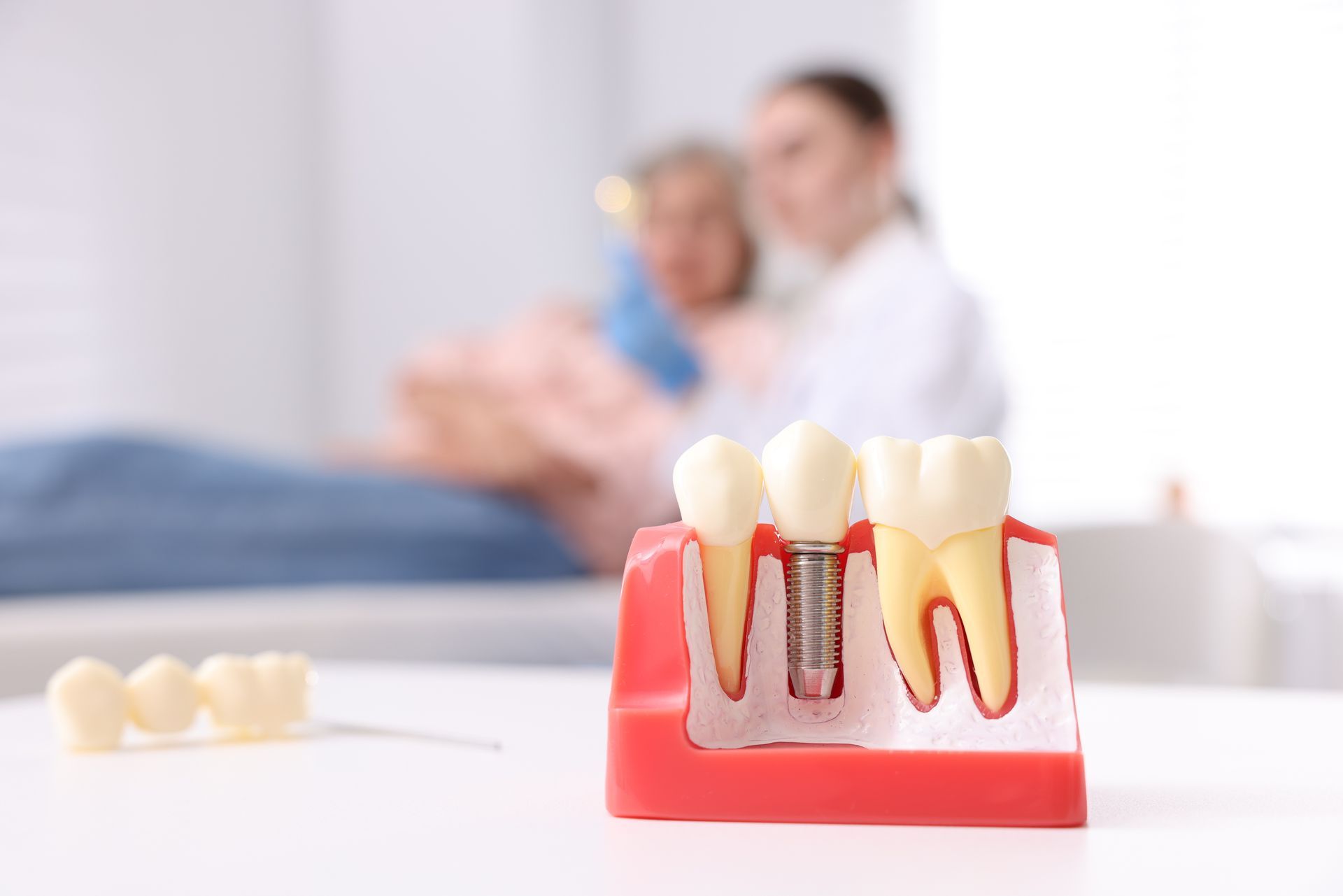
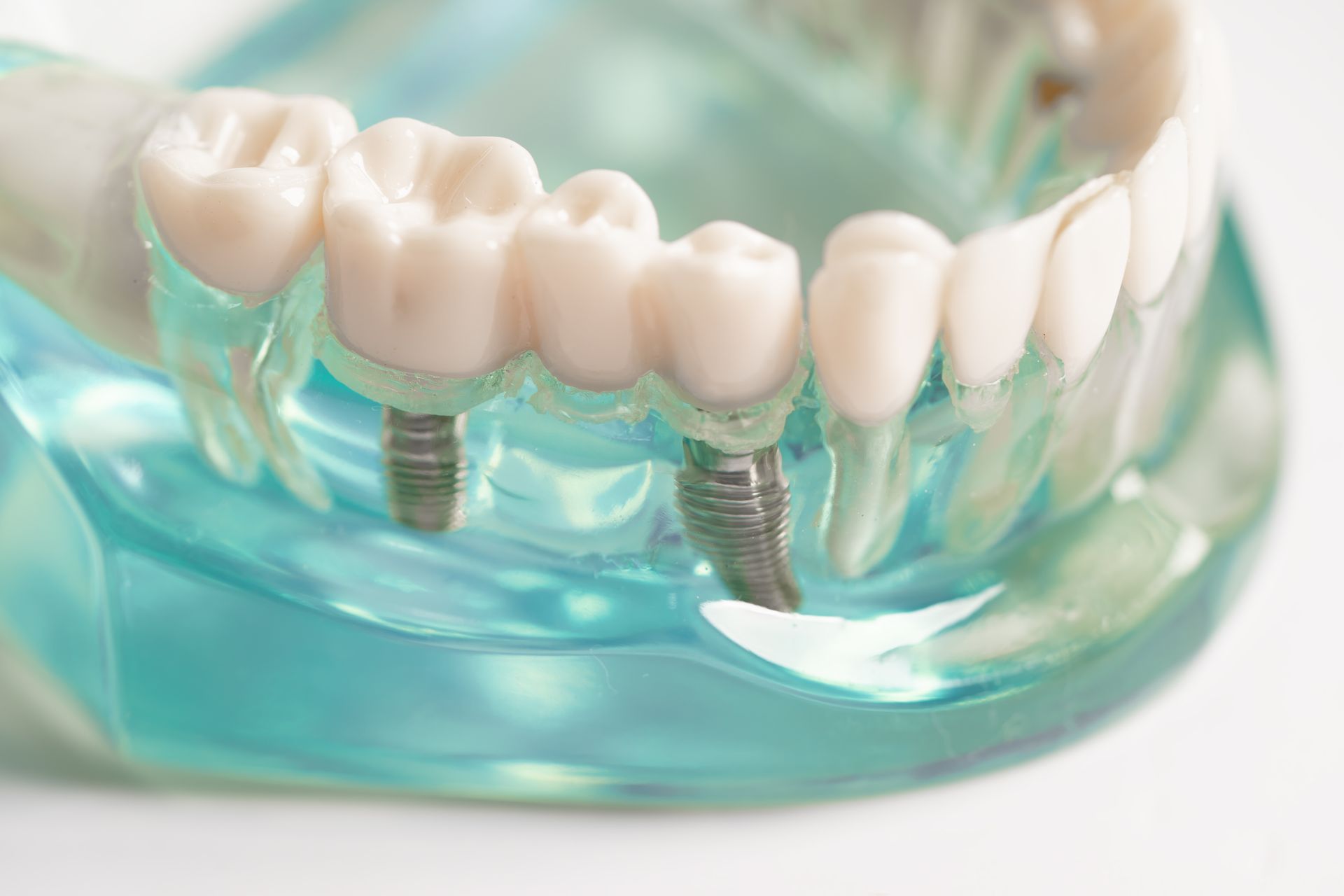
All-on-4 is a full-arch tooth replacement system. Four titanium implant posts are placed into the jawbone at specific angles, and a fixed bridge of teeth is attached on top. The result is a permanent set of teeth that you do not remove. They function, feel, and look like natural teeth.
What Are Traditional Dentures?
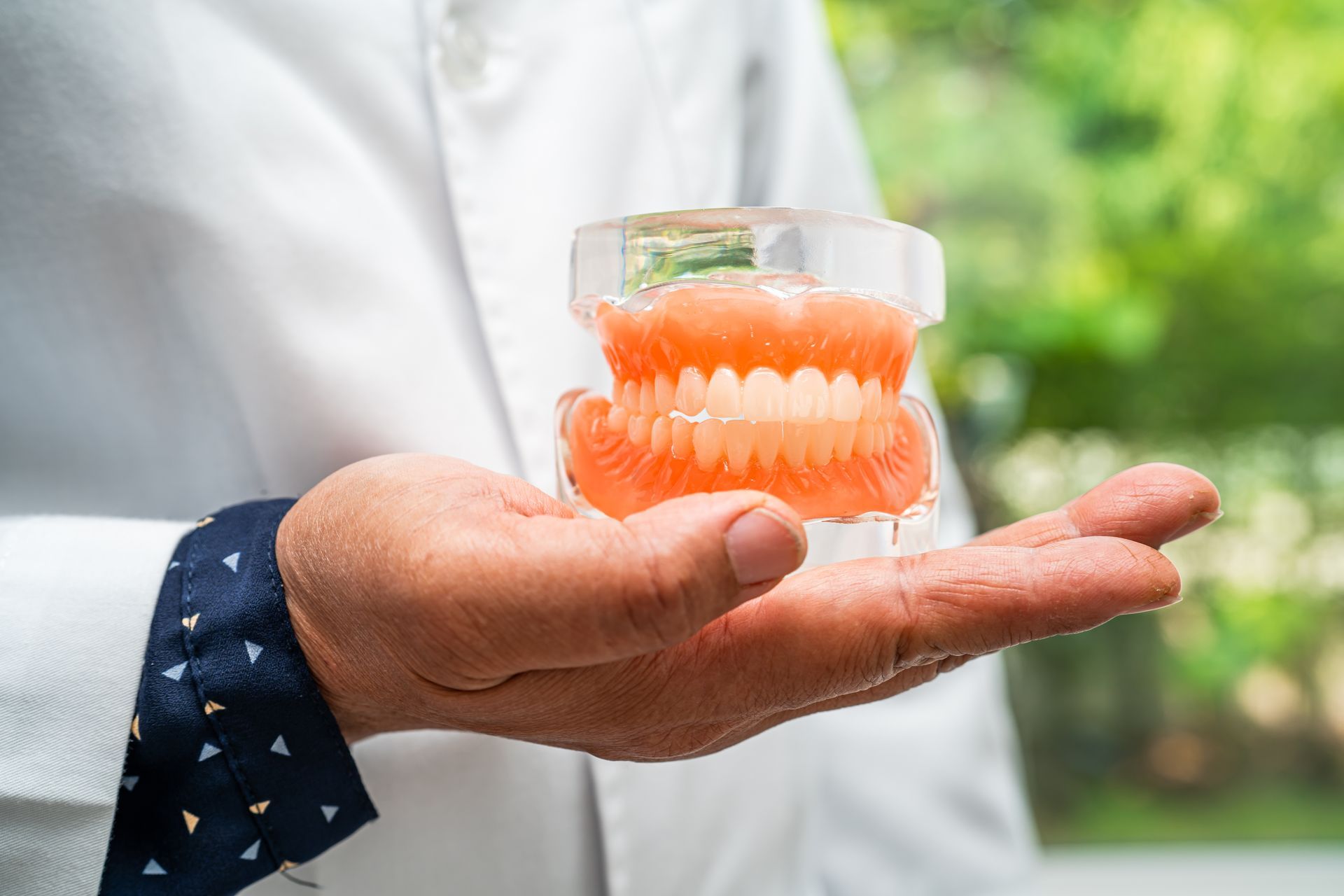
Traditional dentures are removable appliances that sit on top of your gums. They are held in place by suction, adhesive, or clasps depending on the type. Full dentures replace an entire arch of teeth. Partial dentures fill gaps when some natural teeth remain.
Who Typically Chooses Each Option?
All-on-4 tends to appeal to patients who want a permanent, low-maintenance solution and are willing to invest more upfront. Traditional dentures are often chosen by patients who need a faster, lower-cost path to tooth replacement or who may not be surgical candidates at the time of treatment.
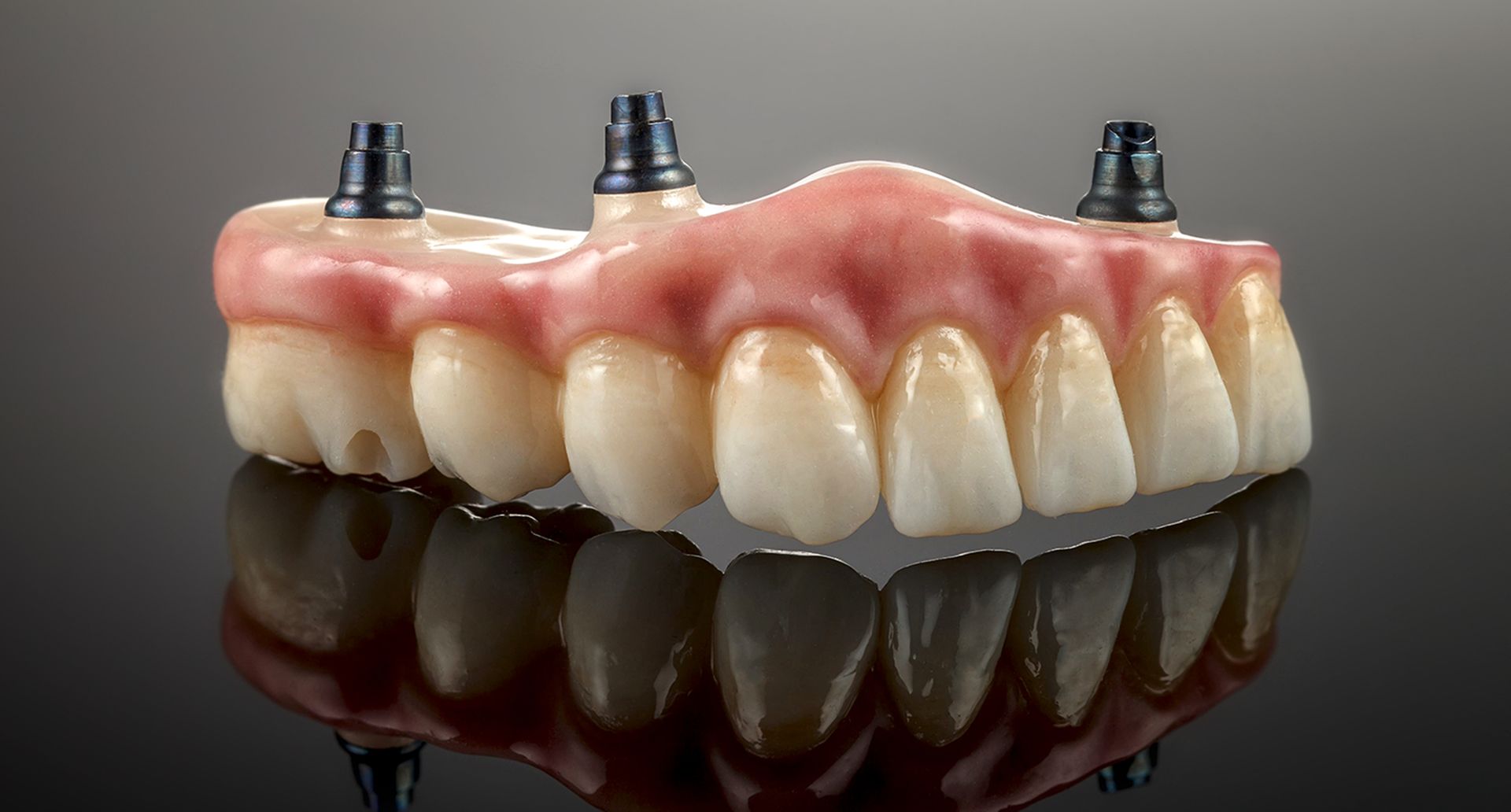
Key Differences Between All-on-4 and Dentures
The day-to-day experience of these two options is significantly different.
Fixed vs Removable Teeth
All-on-4 teeth are fixed in place and never come out unless a dentist removes them. Dentures are taken out for cleaning and sleeping. For many patients, the permanence of All-on-4 is one of its most appealing qualities.
Stability and Everyday Comfort
All-on-4 implants are anchored into bone, so they do not shift, slip, or move. Traditional dentures can rock or slide, particularly on the lower jaw where suction is harder to maintain. This instability is one of the most common complaints denture wearers report.
Appearance and Natural Feel
Both options can look natural when well-made. However, All-on-4 restorations tend to look and feel more like real teeth because they are supported by implants rather than sitting on soft tissue. There is no bulky acrylic palate covering the roof of the mouth, which also improves taste and sensation.
Speech and Confidence
Loose or poorly fitting dentures can affect speech, causing slurring or clicking sounds. All-on-4 teeth are stable, so most patients adapt to speaking normally within days of their procedure.
Eating Ability and Food Choices
All-on-4 patients can eat most foods, including harder and crunchier options, without restriction. Denture wearers are often advised to avoid hard, sticky, or chewy foods that can dislodge the appliance or cause discomfort.
Long-Term Results: Which Option Lasts Longer?
This is where the two options differ most significantly.
Lifespan of All-on-4 Implants
The implant posts in an All-on-4 restoration are designed to be permanent and can last 20 to 30 years or more with proper care. The prosthetic bridge attached to the implants may need to be replaced after 10 to 15 years due to normal wear, but the implants themselves typically last a lifetime.
Lifespan of Traditional Dentures
Most traditional dentures need to be relined every one to two years as the jaw changes shape and need to be fully replaced every five to ten years. Over a 20-year period, a denture wearer will likely go through three to five sets of dentures.
Repairs, Relines, and Replacements Over Time
Dentures crack, warp, and lose their fit as bone resorbs beneath them. Each reline or replacement adds cost and inconvenience. All-on-4 restorations require far fewer interventions over time, making them a lower-maintenance choice in the long run.
Bone Health and Facial Structure
This is one of the most important factors that often goes overlooked during the decision-making process.
How All-on-4 Helps Preserve Jawbone
When implants are placed into the jawbone, they mimic the function of natural tooth roots. The bone receives stimulation every time you bite or chew, which signals the body to maintain bone density. All-on-4 patients typically preserve their jawbone structure for the life of their implants.
How Dentures May Contribute to Bone Loss
Dentures rest on the gums and do not stimulate the bone beneath. Without that stimulation, the jawbone gradually resorbs, or shrinks. This is why long-term denture wearers often develop a sunken facial appearance and find their dentures fitting less and less securely over time.
Changes in Facial Appearance Over Time
Bone loss changes the shape of the face. Cheeks become hollow, the chin moves closer to the nose, and the lower third of the face shortens. All-on-4 patients typically maintain a fuller, more youthful facial profile because the implants prevent this bone resorption.
Daily Maintenance and Cleaning
Both options require consistent care, but the routines are different.
Caring for All-on-4 Implants
All-on-4 teeth are cleaned like natural teeth. Brushing twice a day, flossing around the implants, and using a water flosser are the primary maintenance steps. Routine dental checkups every three to six months are recommended to monitor implant health and keep the restoration in good condition.
Cleaning and Soaking Dentures
Dentures must be removed nightly, brushed, and soaked in a cleaning solution. They should never be worn to bed. The gums and any remaining natural teeth also need to be cleaned before the dentures are reinserted in the morning.
Which Option Is Easier to Maintain?
Most patients find All-on-4 easier to maintain because the routine mirrors what they already know from caring for natural teeth. Denture care requires an additional set of steps and the discipline to remove and soak them every night.
Cost Comparison: All-on-4 vs Dentures
Cost is often the deciding factor, and it is worth looking at both the short-term and long-term picture.
| Cost Category | All-on-4 | Traditional Dentures |
|---|---|---|
| Upfront cost (per arch) | $20,000 to $30,000 | $1,500 to $3,500 |
| Relines and adjustments | Minimal | Every 1 to 2 years |
| Full replacement | Rarely needed | Every 5 to 10 years |
| 20-year estimated total | $25,000 to $35,000 | $15,000 to $30,000 |
Upfront Cost Differences
Traditional dentures cost significantly less upfront. For patients on a tight budget or those who cannot qualify for surgery, they remain a practical starting point.
Long-Term Maintenance Costs
When you factor in repeated relines, repairs, and replacements over 20 years, the cost of dentures catches up considerably. Add in the cost of adhesives, cleaning products, and time spent managing fit issues, and the gap narrows further.
Overall Value Over Time
All-on-4 offers better long-term value for most patients who can afford the upfront investment. The combination of fewer replacements, preserved bone health, and improved quality of life makes it the more cost-effective solution when viewed over a lifetime.
Comfort and Quality of Life Comparison
Numbers only tell part of the story. The daily experience matters just as much.
Confidence in Social Situations
One of the biggest quality-of-life improvements All-on-4 patients report is being able to laugh, talk, and eat in social settings without worrying about their teeth moving or falling out. That peace of mind is difficult to quantify but consistently cited by patients as life-changing.
Sleeping, Traveling, and Daily Convenience
All-on-4 teeth stay in place around the clock. There is no nightly removal routine, no soaking container to pack when traveling, and no risk of waking up and forgetting where you put your teeth. For active, social patients, this convenience matters.
Common Frustrations With Dentures
Denture wearers frequently report sore spots from friction, difficulty eating certain foods, embarrassment over slippage, and frustration with adhesive products. These frustrations accumulate over time and are a primary reason patients eventually seek to upgrade.
Why Many Patients Prefer Fixed Teeth
The simple fact that fixed teeth behave like real teeth is what drives most patients toward All-on-4 once they understand both options. The psychological benefit of having teeth that are truly your own, that you do not have to remove or manage, is significant.
Candidacy: Which Option Is Right for You?
Not every patient is a candidate for every treatment.
Best Candidates for All-on-4
All-on-4 is a good fit for patients who have lost most or all of their teeth in an arch, have sufficient bone density to support implants, are in good overall health for surgery, and want a long-term permanent solution. Many patients who were told they needed bone grafts before implants are actually candidates for All-on-4 because of the angled implant placement technique. Read more about what to expect as a candidate.
Best Candidates for Dentures
Traditional dentures may be the right starting point for patients who cannot undergo surgery due to medical conditions, need a temporary solution while preparing for implants, or have a budget that does not allow for implants at this time.
Health, Bone Density, and Budget Considerations
A consultation with an implant specialist is the only way to know for certain which option fits your situation. Factors like bone volume, gum health, systemic health conditions, and financial options all play a role in determining the best path forward.
Pros and Cons of All-on-4
Main Advantages
- Permanent, fixed teeth that do not come out
- Preserves jawbone and facial structure
- Functions like natural teeth for eating and speaking
- Long lifespan with minimal replacements needed
- No adhesives or nightly removal routine
Potential Limitations
- Higher upfront cost than dentures
- Requires oral surgery and a healing period
- Not suitable for all medical conditions
- If the implant fails, correction requires additional surgery
Pros and Cons of Traditional Dentures
Main Advantages
- Lower upfront cost
- No surgery required
- Can be made quickly, often within weeks
- Adjustable as the mouth changes over time
Potential Limitations
- Removable and can slip or fall out
- Contributes to bone loss over time
- Requires nightly removal and soaking
- Needs regular relines and replacement
- Can affect speech, taste, and eating ability
Why Patients Upgrade From Dentures to All-on-4
A significant portion of All-on-4 patients come to us after years of struggling with dentures.
Common Reasons for Making the Switch
The most common reasons patients decide to upgrade include ongoing fit problems that adhesive no longer solves, embarrassment from slippage in social situations, difficulty eating the foods they enjoy, and the desire for a more permanent, dignified solution.
What to Expect During the Transition
Patients who already wear dentures are often good candidates for All-on-4 because some bone loss has already occurred, and the angled implant technique is designed to work with the bone that remains. The transition involves a surgical procedure, a healing period with a temporary restoration, and then placement of the final fixed teeth. Most patients say the process was more comfortable than they expected.
How to Choose the Best Long-Term Tooth Replacement Option
The best way to make this decision is with professional guidance tailored to your mouth.
Questions to Ask at Your Consultation
Bring these questions to help guide the conversation:
- Am I a candidate for All-on-4, or do I need preparatory treatment first?
- What does my bone density look like, and how does that affect my options?
- What are the total costs for each option, including maintenance over 10 years? See our detailed breakdown of
dental implant costs in Tampa.
- How long have you been placing All-on-4 restorations, and can I see results?
- What happens if an implant fails?
Importance of Personalized Treatment Planning
No two mouths are the same. A thorough consultation with 3D imaging gives your provider the information needed to recommend the right treatment for your specific anatomy, health history, and goals.
Choosing an Experienced Implant Provider
All-on-4 is a complex, multi-step procedure. The skill of the provider directly affects outcomes. Look for a specialist with dedicated implant training, a clear process, and before-and-after cases they are willing to show you.
Final Verdict: All-on-4 vs Dentures for Long-Term Results
There is no universal right answer, but there are clear patterns based on what patients prioritize.
Best Choice for Stability and Longevity
All-on-4 wins on every measure related to stability, bone preservation, lifespan, and long-term function. For patients who want teeth that stay put and last decades, it is the stronger option.
Best Choice for Lower Upfront Cost
Traditional dentures remain the more accessible option for patients who need tooth replacement now and cannot yet commit to the cost or the surgery involved in All-on-4.
Best Choice for Overall Lifestyle Benefits
For patients who can qualify and afford it, All-on-4 offers a quality of life that dentures cannot match. The ability to eat freely, speak confidently, and never think about your teeth is something patients consistently describe as transformative.
Schedule a Consultation to Explore Your Options
The best way to know which option is right for you is to have your specific situation evaluated by a specialist. We will review your bone structure, discuss your goals, and give you a clear comparison of what each path looks like for your mouth and your budget. Contact our Tampa office to schedule your consultation.
Frequently Asked Questions About All-on-4 vs Dentures
Share This Blog