Zygomatic Dental Implants vs Bone Grafts: Options When You Don't Have Enough Jawbone

If you have been told you do not have enough upper jawbone for regular dental implants, you still may have options. A dental implant-focused practice is well placed to explain this topic because implant treatment planning depends on bone levels, jaw anatomy, healing, and long-term function. In simple terms, zygomatic implants can sometimes help people with severe upper jaw bone loss avoid major bone grafting, while bone grafts can help rebuild the jaw so traditional implants may be placed later. The right choice depends on how much bone you have, your health, your goals, and how quickly you want treatment.
Why Lack of Jawbone Changes Your Implant Options
Traditional dental implants need enough healthy bone in the upper jaw to stay stable. When that bone has shrunk, regular implants may not have enough support.
Bone loss can happen for a few reasons. Missing teeth, gum disease, long-term denture wear, injury, and natural jawbone resorption can all reduce bone over time. In the upper jaw, the maxillary sinus can also limit how much bone is available.
That is why patients with severe bone loss are often told they need either bone grafting or another option, such as zygomatic dental implants. Both treatments are designed to solve the same basic problem: not enough bone for standard implant placement.
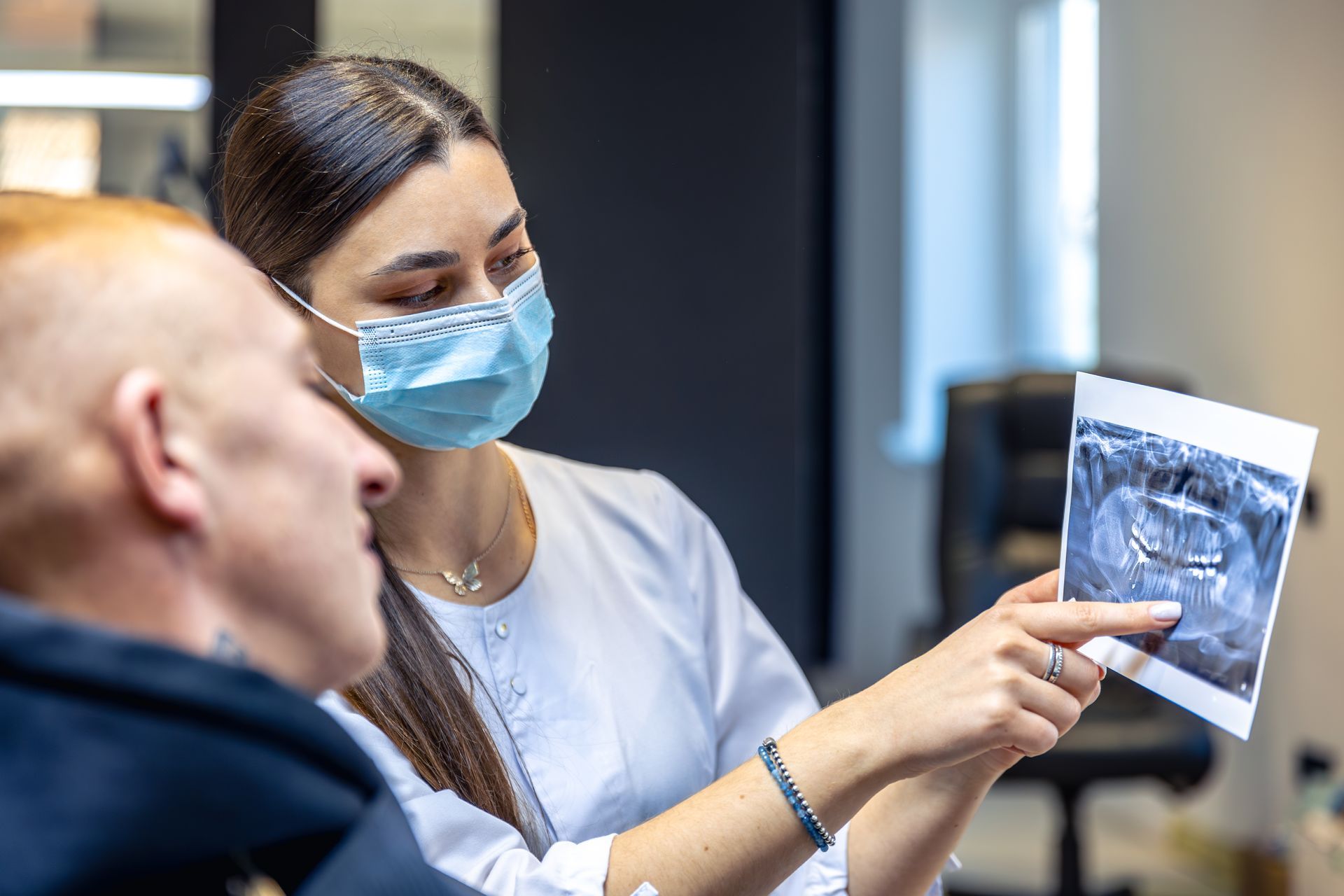
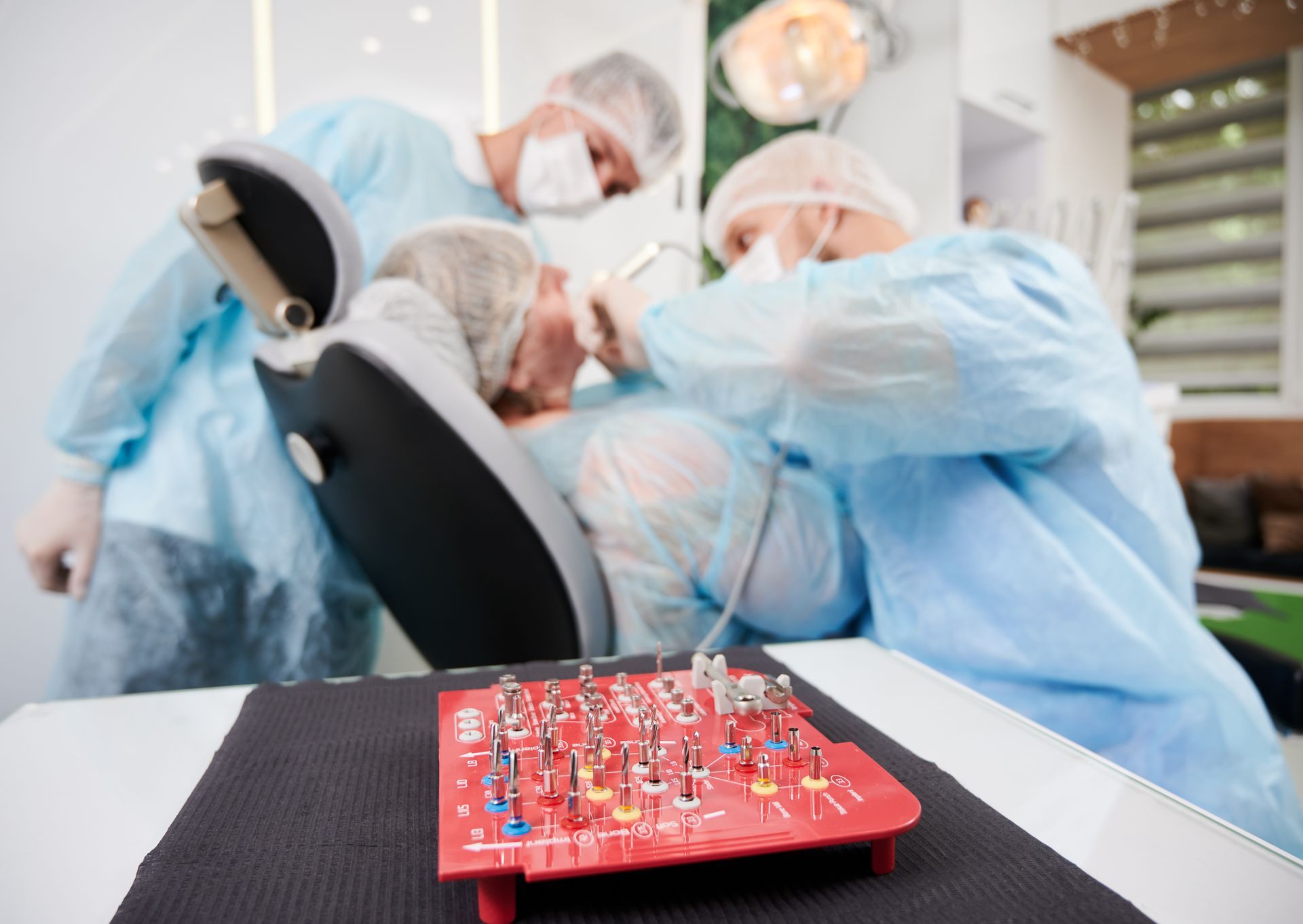
What Are Zygomatic Dental Implants?
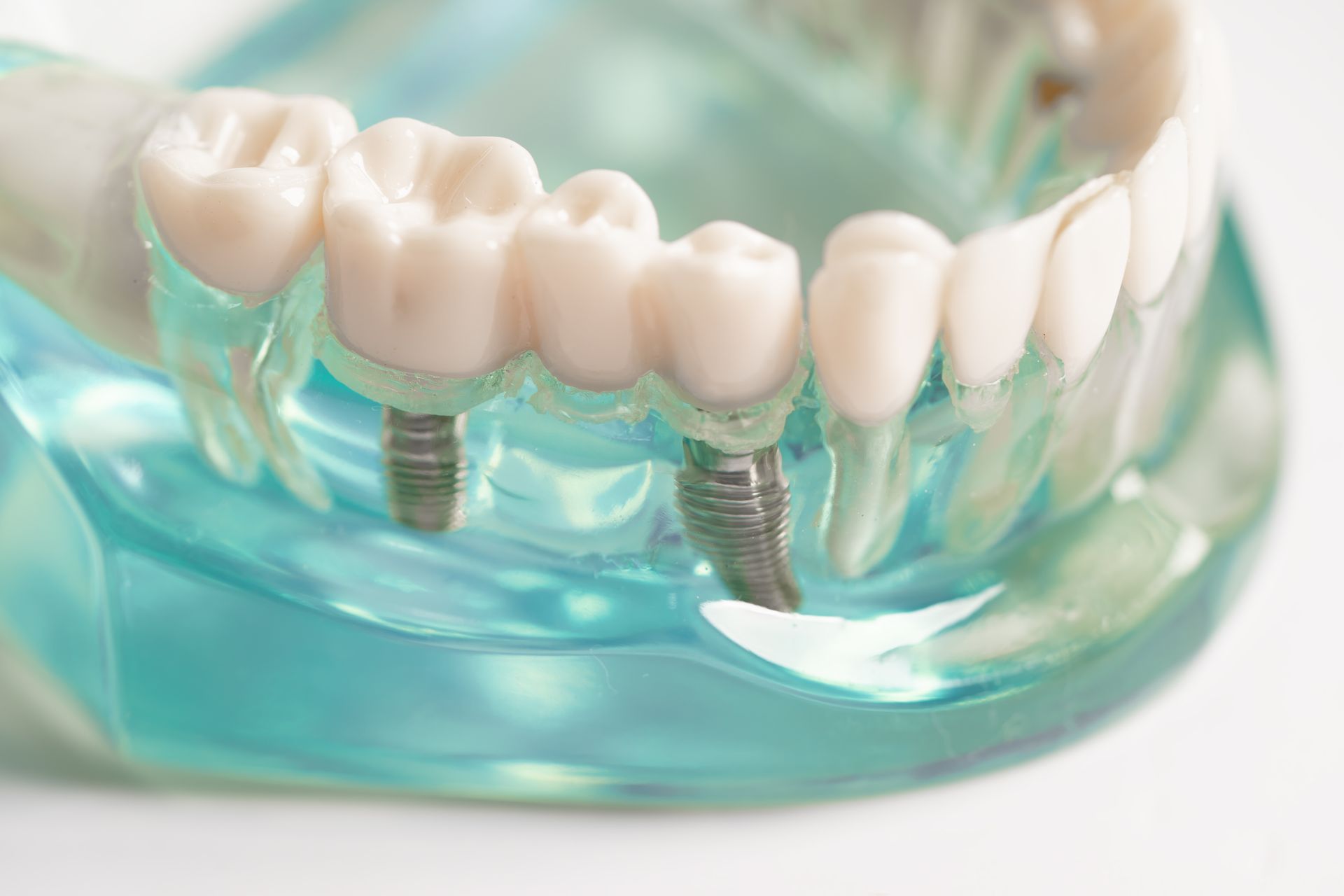
Zygomatic implants are long dental implants placed into the cheekbone, also called the zygomatic bone, instead of relying only on the upper jawbone.
How zygomatic implants work
Unlike traditional implants, which are anchored in the maxilla, zygomatic implants use the stronger cheekbone for support. This makes them helpful for people who have severe maxillary bone loss in the upper jaw.
In many cases, they are used as part of a full arch restoration. That means they can help support a fixed bridge for a full set of upper teeth.
Why they are used for severe upper jaw bone loss
Zygomatic implants are often considered when there is not enough bone for standard implants and when a patient wants to avoid large grafting procedures. Because they use a different area of bone, they can make treatment possible for patients who were once told they were not implant candidates.
How they differ from traditional implants
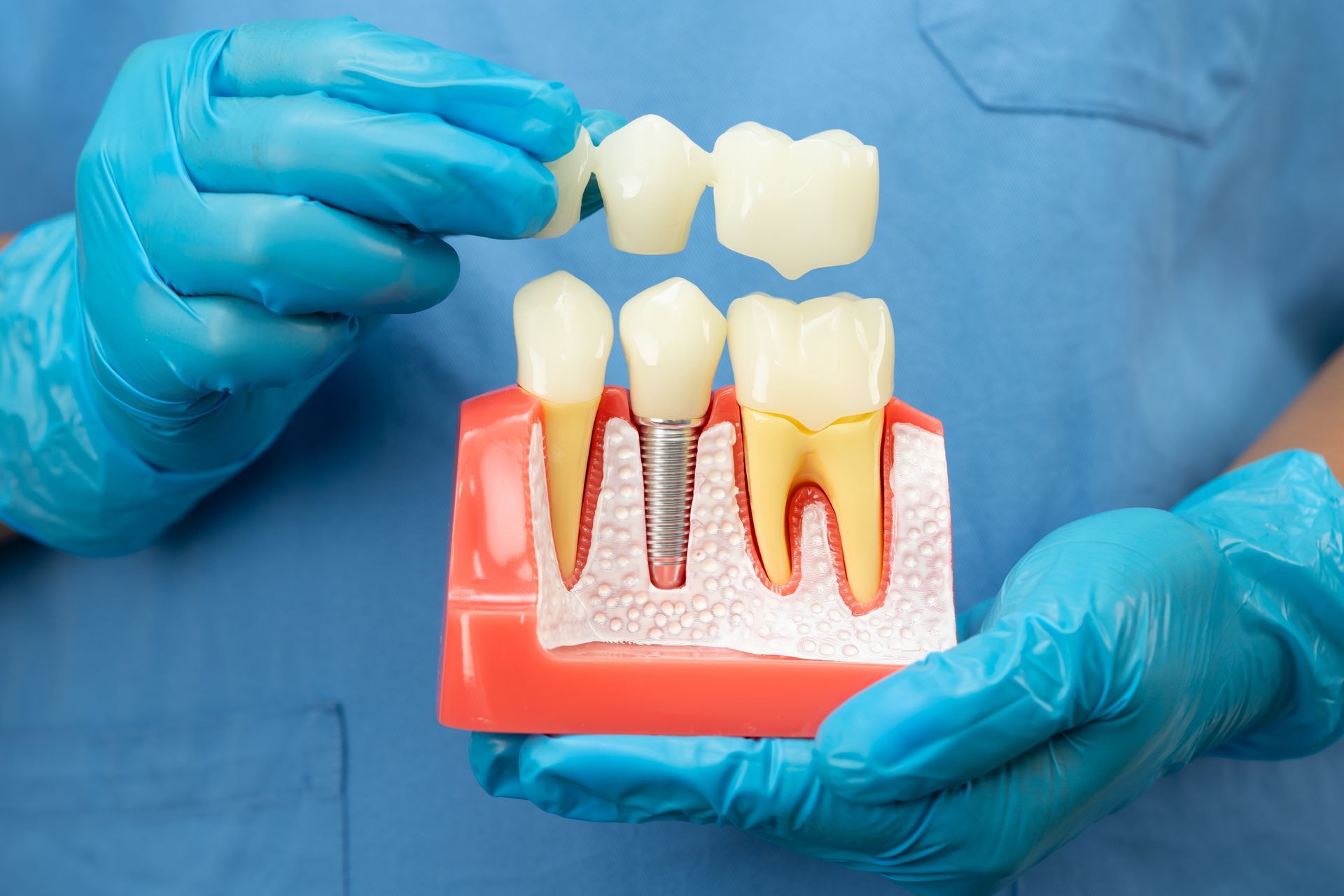
The biggest difference is where they are placed. Traditional dental implants go into the jawbone. Zygomatic implants go into the cheekbone. They are also longer, require advanced planning, and are usually used in more complex cases involving major bone loss.
What Is a Bone Graft for Dental Implants?
A bone graft is a procedure used to rebuild or add bone in the jaw so it can better support a future implant.
Why bone grafting may be recommended
Bone grafting may be recommended when there is not enough bone in the upper jaw for conventional implants. It can be used for small areas of bone loss or as part of a larger treatment plan.
How bone grafting rebuilds support for implants
The graft material is placed where bone is missing. Over time, the area heals and becomes stronger, giving the jaw more volume and better support for implant placement. In the upper jaw, this may also involve a sinus lift if the sinus space is limiting implant placement.
When a bone graft may lead to traditional implants
If healing goes well and enough bone develops, a patient may later be able to receive traditional implants. This approach can work well for people who have mild to moderate bone loss or for those who want to rebuild the jaw before moving forward.
Zygomatic Implants vs Bone Grafts: Key Differences
Both options can help patients with bone loss, but they do so in very different ways.
Bone requirements
Zygomatic implants are used when there is severe upper jaw bone loss. Bone grafting is used to rebuild the jawbone so traditional implants may be placed later.
Procedure complexity
Both can be complex, but zygomatic implants are highly specialized and require advanced surgical skill and careful imaging. Bone grafting can range from a smaller graft to a more involved rebuild, depending on the case.
Treatment timeline
Zygomatic implants may offer a faster path to teeth in some cases because they can avoid the long healing period needed for grafted bone. Bone grafting usually adds time because the graft must heal before implants are placed.
Recovery and healing
Healing depends on the person and the procedure. Bone grafting often means healing in stages. Zygomatic implants may reduce the number of treatment phases, but they are still a major procedure and need close follow-up. You can learn more about what to expect in our complete guide to dental implant recovery.
Number of surgeries
Bone grafting often means one procedure to rebuild bone and another later for implants. Zygomatic treatment may reduce the number of separate surgeries for some patients.
Cost considerations
Zygomatic implants cost more per case in many situations because they are more complex and require special training and planning. Bone grafting can also become costly, especially if it involves multiple surgeries, added healing time, and later implant placement. The total cost depends on the full treatment plan, not just one step. For a broader look at what to budget, see our guide on the cost of dental implants in Tampa.
Long-term stability and success
Both approaches can work well when used for the right patient. Long-term success depends on case planning, oral health, healing, home care, and regular follow-up.
Potential risks and limitations
Every surgery has risks. Bone grafts may not heal as expected or may not create enough usable bone. Zygomatic implants are more advanced and may not be the right choice for every patient based on anatomy, health, or treatment goals. Understanding whether dental implants can fail is an important part of setting realistic expectations.
Benefits of Zygomatic Implants
Zygomatic implants can offer real advantages for the right patient.
Avoiding major bone grafting
One of the biggest benefits is that they may remove the need for major bone grafting in the upper jaw. That can simplify treatment for patients with very low bone volume.
Faster path to fixed teeth
Because they can work around severe bone loss, zygomatic implants may help some patients move toward a fixed teeth solution faster than a graft-first approach.
Same-day or immediate-load possibilities
In certain cases, immediate loading may be possible. That means a temporary fixed bridge may be placed sooner, helping the patient avoid going without teeth during treatment. Learn more about same-day dental implants in Tampa and whether you may be a candidate.
Benefits of Bone Grafting
Bone grafting also has important benefits and may be the better fit in many cases.
Rebuilding lost jawbone
A major benefit is that it restores lost bone. This may improve the shape and support of the jaw over time.
Supporting conventional implant placement
Bone grafting can make traditional dental implants possible. For patients who want a more standard implant path, this can be a strong option.
Preserving jaw structure over time
Rebuilding bone can help preserve jaw structure and create a stronger base for future treatment.
When Zygomatic Implants May Be the Better Option
Zygomatic implants may be the better option in certain cases.
Severe upper jaw bone loss
If the upper jaw has severe bone loss, cheekbone implants may offer a more direct solution than rebuilding the jaw first.
Failed previous grafting
If a patient has already gone through grafting that did not work well, zygomatic implants may be worth discussing.
Patients who want to avoid a long treatment timeline
Some patients want to avoid multiple stages and long healing periods. When appropriate, zygomatic implants may shorten the path to fixed teeth.
When Bone Grafting May Be the Better Option
Bone grafting can still be the better choice in many situations.
Mild to moderate bone loss
If the amount of lost bone is limited, grafting may be enough to support regular implants later.
Patients eligible for conventional implants after healing
Some people are good candidates for grafting because their goal is to receive traditional implants once the jaw has healed.
Cases where restoring jawbone volume is a priority
If rebuilding the jaw itself is an important part of treatment, bone grafting may make more sense than bypassing the missing bone.
Can You Have Both a Bone Graft and Zygomatic Implants?
Yes, in some treatment plans, both can play a role.
Situations where both approaches may be part of long-term treatment planning
A patient may need one approach now and another later depending on the amount of bone loss, the condition of the jaw, and the final restorative plan. Some complex cases need a mix of treatments to get the best long-term result.
How to Choose the Right Option for Your Smile
The best choice is not the same for everyone. A careful exam and 3D imaging are usually needed to decide.
Bone loss severity
The amount and location of your bone loss are two of the biggest factors. Severe maxillary bone loss may point toward zygomatic implants, while smaller defects may be treated with grafting.
Health history and anatomy
Your overall health, sinus anatomy, past dental work, and healing ability all matter. These details affect safety and predictability.
Budget and timeline
Some patients want the shortest path to fixed teeth. Others are willing to go through more stages if it helps them follow a traditional implant route. Both time and cost should be reviewed as part of the full plan.
Goals for function, appearance, and long-term support
Your goals matter. Some patients want to avoid removable dentures. Others care most about rebuilding bone first. The best plan should fit your health needs and your long-term priorities.
Final Thoughts: Choosing the Best Solution When You Don't Have Enough Jawbone
If you do not have enough jawbone for traditional implants, that does not always mean implants are off the table. Zygomatic implants may help patients with severe upper jaw bone loss avoid major grafting and reach a fixed full-arch solution faster. Bone grafting may be a strong option for patients who want to rebuild the jaw and later receive conventional implants.
The main takeaway is simple: both treatments can work, but they solve the problem in different ways. The right choice depends on your bone levels, anatomy, health, budget, and timeline. Have questions before your consultation? Our list of 15 questions to ask your dental implant dentist can help you prepare. A detailed evaluation with a dental implant provider can help you understand which option offers the safest and most predictable result for your smile. Contact Us to get your first consultation.
Frequently Asked Questions
Share This Blog