How Much Do Dental Implants Cost? A Complete Breakdown (2026)

At Dental Implants Tampa, our team has placed thousands of dental implants over the years. We work with patients at every budget level and help them understand exactly what they are paying for before any treatment begins. That experience gives us a clear picture of what dental implant costs look like in 2026, and we want to share that knowledge with you in plain terms.
Understanding the Average Dental Implant Cost in 2026
Dental implants are one of the most effective ways to replace a missing tooth. Before diving into specific numbers, it helps to understand how pricing works and why it varies so much from patient to patient.
National Average Price Range for Dental Implants
A single dental implant in the United States typically costs between $3,000 and $6,000 when you factor in all the components: the implant post, abutment, and crown. In Tampa and the surrounding area, prices fall within that national range, though your final cost depends on your specific situation.
Here is a general overview of what patients pay across common treatment types:
| Treatment Type | Estimated Cost Range |
|---|---|
| Single tooth implant | $3,000 to $6,000 |
| Implant-supported bridge (3 teeth) | $6,000 to $10,000 |
| Implant-supported dentures (per arch) | $10,000 to $20,000 |
| All-on-4 (per arch) | $20,000 to $30,000 |
| Full mouth reconstruction | $40,000 to $60,000+ |
Why Costs Can Vary Between Patients
Two patients coming in for the same procedure can end up with very different bills. That is because dental implant pricing is not one-size-fits-all. Your jawbone health, the number of teeth you need replaced, and whether you need any prep work all affect the final number.
Why Dental Implants Cost More Than Other Tooth Replacement Options
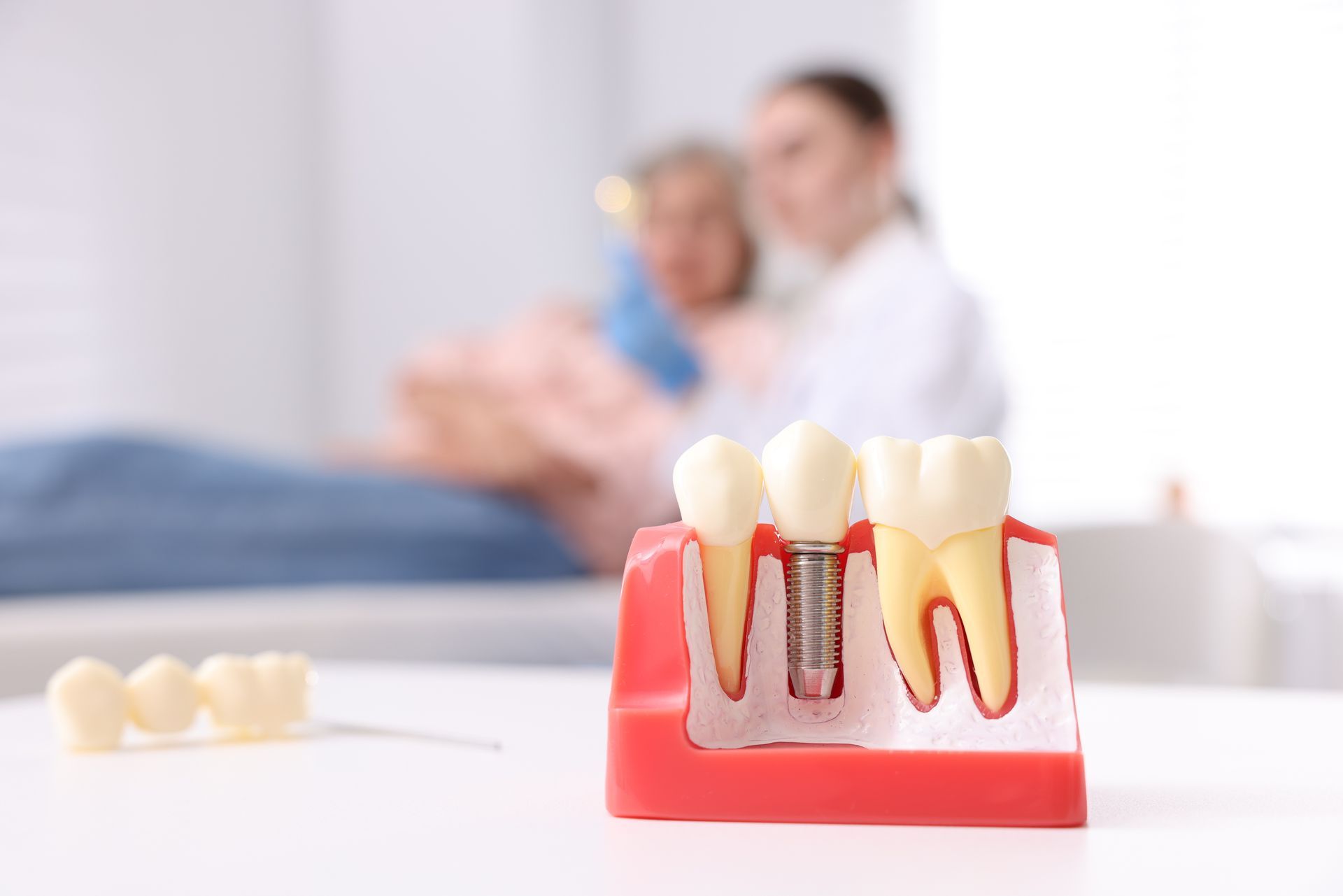
Implants cost more upfront than dentures or bridges, and there is a reason for that. They are a surgical procedure that involves placing a titanium post directly into your jawbone. The materials are medical-grade, the process takes months to complete, and the result is the closest thing to a natural tooth that modern dentistry offers.


What Is Included in the Cost of a Dental Implant?
When you get a cost estimate, it should break down each phase of treatment. Here is what that typically includes.
Initial Consultation and Diagnostic Imaging
Your first visit involves X-rays or a 3D cone beam CT scan to assess your bone structure and overall oral health. This imaging guides your entire treatment plan.
Tooth Extraction if Needed
If you still have the damaged or failing tooth, it needs to come out before an implant can go in. Extraction costs vary depending on the complexity of the procedure.
Bone Grafting or Sinus Lift Procedures
If your jawbone has shrunk from tooth loss or gum disease, a bone graft adds volume so the implant has something solid to anchor into. A sinus lift is a specific type of graft used for upper back teeth. These add cost but are often necessary for long-term success.
Implant Post Placement Surgery
This is the main surgical step. A small titanium post is placed into your jawbone, where it fuses with the bone over three to six months in a process called osseointegration.
Abutment Placement
Once the implant has fused with the bone, a connector piece called an abutment is attached. This is what holds your crown in place.
Custom Dental Crown or Final Restoration
The crown is the visible part of your new tooth. It is custom-made to match the size, shape, and color of your natural teeth.
Follow-Up Visits and Healing Appointments
After each stage, you return for checkups to make sure everything is healing correctly. These visits are typically included in your overall treatment estimate.
Dental Implant Cost by Treatment Type
Not all implant cases are the same. Here is a closer look at the most common scenarios.
Single Tooth Implant Cost
A single implant with a crown is the most straightforward case. Expect to pay somewhere between $3,000 and $6,000 depending on whether you need any preparatory work like extraction or grafting.
Multiple Dental Implants Cost
If you need more than one tooth replaced with individual implants, the cost multiplies accordingly. Some practices offer bundled pricing for multiple implants placed in the same session.
Implant Bridge Cost
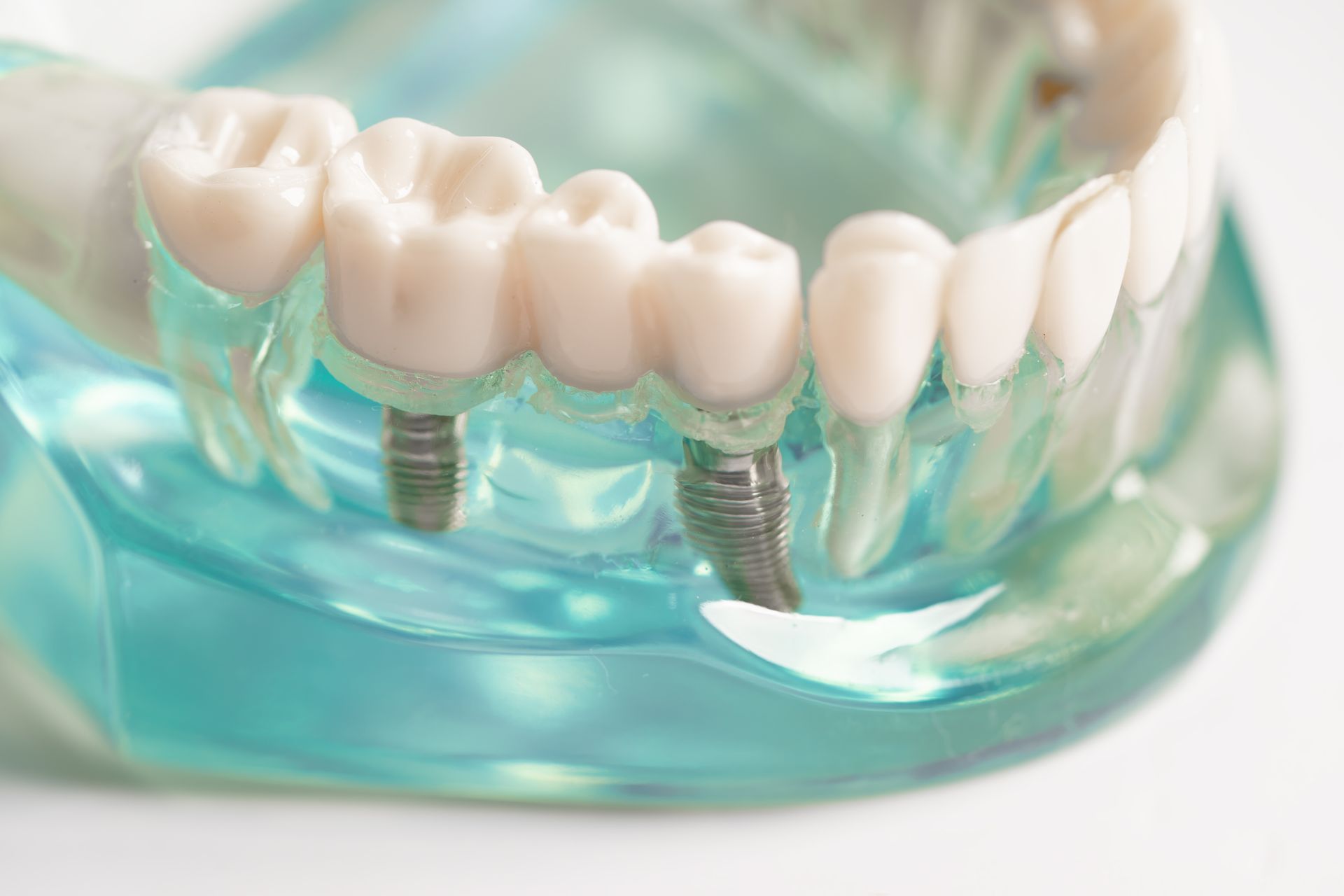
An implant-supported bridge uses two implant posts to support a restoration that replaces three or more teeth in a row. This is a cost-effective option compared to placing individual implants for each missing tooth.
Implant-Supported Dentures Cost
Instead of resting on your gums, implant-supported dentures snap onto four or more implant posts. They provide more stability than traditional dentures and range from $10,000 to $20,000 per arch.
Full Mouth Dental Implant Cost
Replacing all teeth in both arches with individual implants is the most comprehensive and most expensive option. The investment is significant but results in a permanent, functional smile.
All-on-4 Dental Implant Cost
All-on-4 uses just four strategically placed implants to support a full arch of teeth. It is a streamlined alternative to placing an implant for every tooth and often allows for same-day teeth. Costs typically range from $20,000 to $30,000 per arch.
Factors That Affect Dental Implant Cost
Several variables influence where your cost lands within any given range. The seven most common factors are:
- Number of implants needed
- Material used for the implant post and crown
- Bone density and current oral health condition
- Experience level of the dentist or specialist
- Sedation or anesthesia requirements
- Geographic location and local market rates
- Technology used during treatment planning and surgery
Here is a closer look at each one.
Number of Implants Needed
More implants mean more surgical time, more materials, and more follow-up care.
Material Used for Implant and Crown
Titanium implant posts are the standard, but crown material varies. Zirconia crowns tend to cost more than porcelain-fused-to-metal options.
Bone Density and Oral Health Condition
Patients with good bone density and healthy gums generally have simpler, less costly cases. Those who need grafting or periodontal treatment before implant placement will see higher overall costs.
Experience of the Dentist or Specialist
Oral surgeons and periodontists who specialize in implants often charge more than general dentists, but their expertise can be worth the premium for complex cases.
Sedation or Anesthesia Needs
If you need IV sedation or general anesthesia, that adds to the total. Many straightforward single-tooth cases are done with local anesthesia alone.
Geographic Location and Local Market Rates
Dental costs in major metro areas tend to be higher than in rural settings. Tampa falls in the mid-range for implant pricing nationally.
Technology Used During Treatment
Practices using advanced 3D imaging and guided implant surgery may charge slightly more, but the precision can lead to better outcomes and fewer complications.
Dental Implant Cost vs Other Tooth Replacement Options
It is worth comparing implants to your other choices before making a decision.
| Option | Average Cost | Lifespan | Bone Preservation |
|---|---|---|---|
| Dental implant | $3,000 to $6,000 per tooth | 20+ years | Yes |
| Dental bridge | $2,500 to $6,000 | 10 to 15 years | No |
| Partial denture | $1,500 to $3,000 | 5 to 10 years | No |
| Full denture | $1,000 to $3,500 | 5 to 10 years | No |
Dental Implants vs Bridges
A bridge does not require surgery, but it does require shaving down the healthy teeth on either side of the gap. It also does not prevent jawbone loss the way an implant does.
Dental Implants vs Dentures
Dentures are removable and cost less upfront, but they require regular adjustments as your jaw changes shape over time. They can also affect how you eat and speak. Implants eliminate those problems.
Long-Term Value and Durability Comparison
When you spread the cost of a dental implant over 20 or more years, it often comes out cheaper per year than replacing dentures or bridges multiple times. Many patients who go the implant route say it is the best investment they made in their oral health.
Does Insurance Cover Dental Implant Costs?
Insurance coverage for implants is improving, but it is still limited for many patients.
What Some Dental Plans May Cover
Some dental insurance plans cover a portion of the cost depending on how the procedure is categorized. Coverage typically ranges from $1,000 to $1,500 per year when it applies. Here is what plans most commonly help with:
- Tooth extraction before implant placement
- Bone grafting or preparatory oral surgery
- The dental crown or final restoration
- Diagnostic imaging such as X-rays or CT scans
- Periodontal treatment required before surgery
Few plans cover the implant post itself, though that is slowly changing.
Medical Insurance Situations That May Apply
In some cases, medical insurance may contribute if the tooth loss was caused by an accident, disease, or medical condition. This is not common, but it is worth asking your medical provider.
How to Verify Your Benefits
Call the number on the back of your insurance card and ask specifically about implant coverage, waiting periods, and annual maximums. Bring that information to your consultation and we can help you maximize your benefits.
Financing Options for Dental Implants
Most patients do not pay for implants out of pocket all at once. There are several ways to spread the cost.
Monthly Payment Plans
Many dental practices, including ours, offer in-house payment plans that let you break the total cost into manageable monthly payments.
Healthcare Financing Programs
Third-party financing companies like CareCredit and Lending Club offer dental financing with low or no interest promotional periods. Approval is based on creditworthiness.
Using HSA or FSA Funds
If you have a Health Savings Account (HSA) or Flexible Spending Account (FSA), dental implants are typically an eligible expense. These accounts let you use pre-tax dollars, which reduces your effective out-of-pocket cost.
In-House Membership or Discount Plans
Some dental offices offer annual membership plans for uninsured patients that include discounts on implant procedures. Ask our team whether we have one available.
How to Save Money on Dental Implants Without Sacrificing Quality
There are smart ways to reduce your costs without cutting corners on care.
Choosing a Provider With Transparent Pricing
A trustworthy practice will give you a detailed, itemized estimate before any work begins. Avoid vague quotes that do not break down what is included.
Bundled Treatment Packages
If you need multiple implants or a full arch restoration, ask about bundled pricing. Many offices offer a reduced rate when multiple procedures are done together.
Timing Treatment Strategically With Insurance Benefits
If your plan resets on January 1, you may be able to schedule preparatory work in one calendar year and the implant placement in the next, effectively doubling the insurance benefit you can apply.
Why Lowest Price Is Not Always Best
A dental implant placed incorrectly can fail, and fixing a failed implant costs more than doing it right the first time. Look for a provider with strong credentials, good reviews, and a clear treatment process, not just the lowest number.
How to Choose the Right Dental Implant Provider
Your provider matters as much as your treatment plan.
Questions to Ask During a Consultation
Bring these questions to your first appointment to get a clear picture of what you are signing up for:
- How many implants have you placed, and what is your success rate?
- Is the cost estimate all-inclusive, or are there fees not listed?
- What happens if the implant fails, and is there a warranty?
- Will you be doing the surgery, or will it be referred to a specialist?
- How long will my full treatment take from start to finish?
Credentials and Experience to Look For
Look for a dentist, oral surgeon, or periodontist who has completed advanced training in implantology. Board certifications and continuing education in implant dentistry are good signs.
Importance of Technology and Treatment Planning
Practices using cone beam CT scanning and digital implant planning offer a higher level of precision. This technology helps avoid complications and improves long-term outcomes.
Reviewing Before-and-After Results
Ask to see real patient photos from the provider's own practice. Before-and-after galleries give you a genuine sense of the quality of work you can expect.
Dental Implant Costs in 2026: Is It Worth It?
For most patients, the answer is yes.
Health Benefits of Replacing Missing Teeth
Missing teeth cause bone loss in the jaw, shift surrounding teeth out of alignment, and can affect how you chew and speak. Implants stop that bone loss and keep your mouth healthy long-term.
Confidence and Quality of Life Improvements
Patients consistently report feeling more confident and comfortable after getting implants. Eating, smiling, and talking without worrying about a gap or a loose denture makes a real difference in daily life.
Long-Term Return on Investment
A well-placed implant can last the rest of your life with proper care. When you compare that to the recurring cost of replacing bridges or relining dentures every few years, the math often favors implants.
Schedule a Personalized Dental Implant Consultation
The best way to know exactly what your treatment will cost is to come in for a consultation. We will review your X-rays, walk through your options, and give you a clear, itemized estimate with no surprises. Contact our Tampa office today to get started.
Frequently Asked Questions About Dental Implant Costs
Share This Blog