Zirconia Dentures vs Acrylic: Cost, Durability, and Which Is Best for Full-Arch Implants

If you're comparing zirconia vs acrylic for full-arch implants, here's the quick answer: zirconia is usually the most durable and stain-resistant option, but it typically costs more. Acrylic is often more affordable and easier to repair, but it can wear down faster over time.
To help you make a confident choice, this guide is written from the same clinical decision points used in full-arch implant planning, how materials hold up under bite force, what maintenance looks like, and what affects zirconia dentures' price in real life. (And as always, your dentist's exam and your bite/jaw history should guide the final recommendation.)
Introduction to Full-Arch Implant Restorations
What Are Full-Arch Implants?
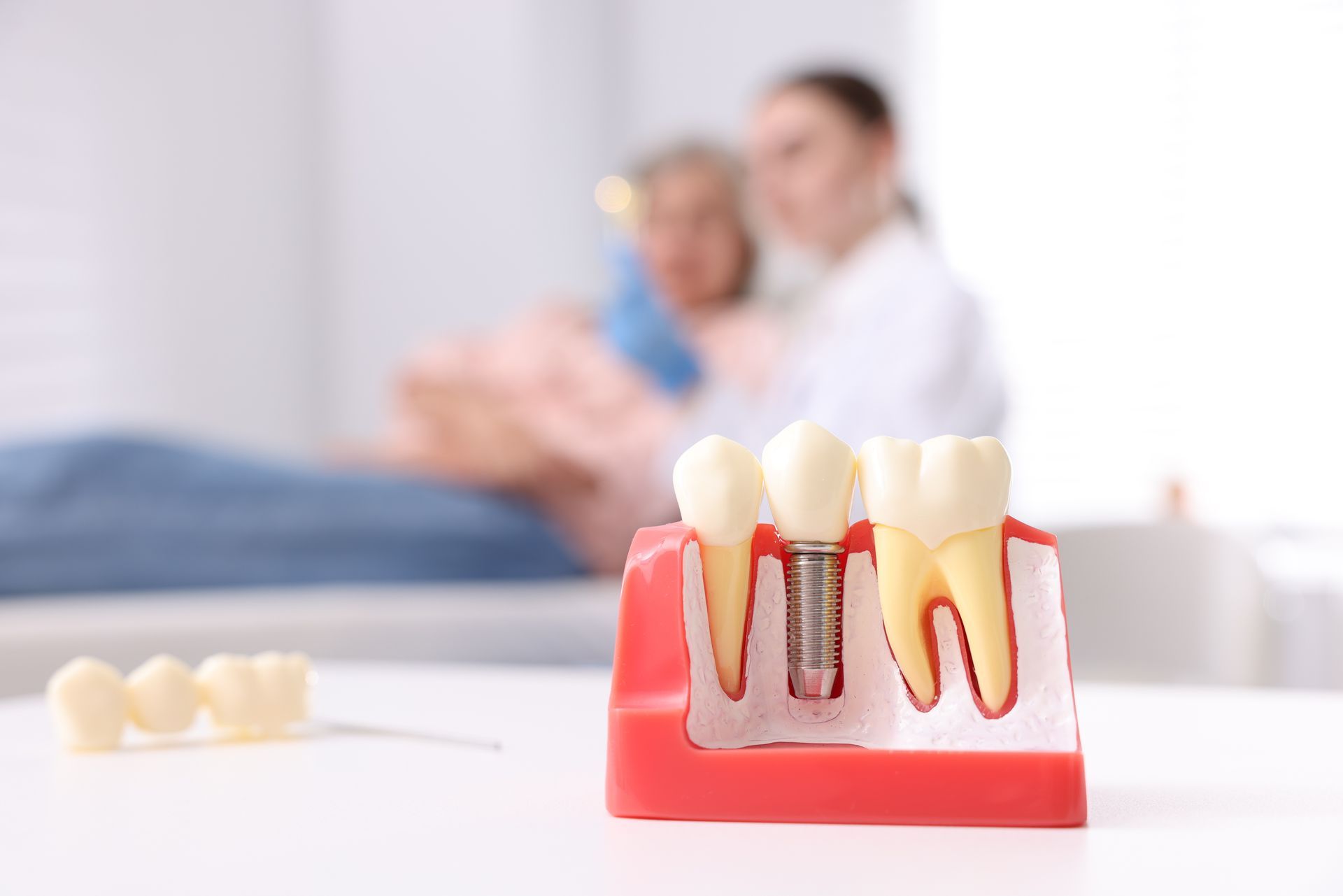
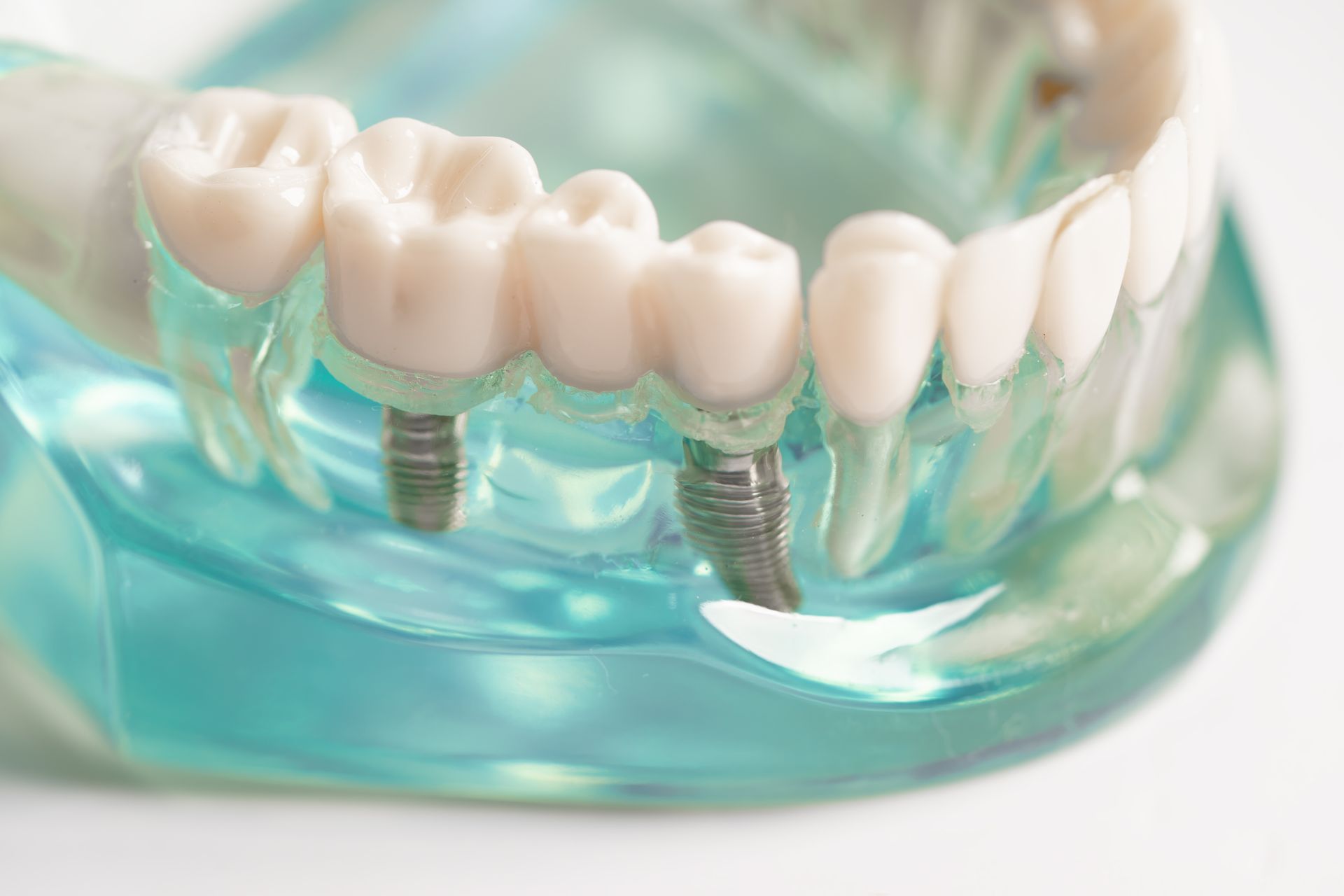
Full-arch implants replace a full upper or lower arch of teeth using a fixed prosthesis supported by dental implants. You may hear names like All-on-4, All-on-X, or implant-supported dentures. The goal is a stable, fixed smile that looks natural and functions like teeth, often with fewer implants than placing one implant per missing tooth.
Why Material Choice Matters in Restorative Dentistry
Once implants are placed, the "teeth" you wear every day are the prosthesis. Material affects:
- How well it handles strong bite forces
- How long it stays smooth and attractive
- How likely it is to chip or wear
- How often it needs repairs or replacement
- Total long-term value, not just the starting price
That's why the zirconia vs acrylic decision is a big deal for fixed full arch prosthetics.
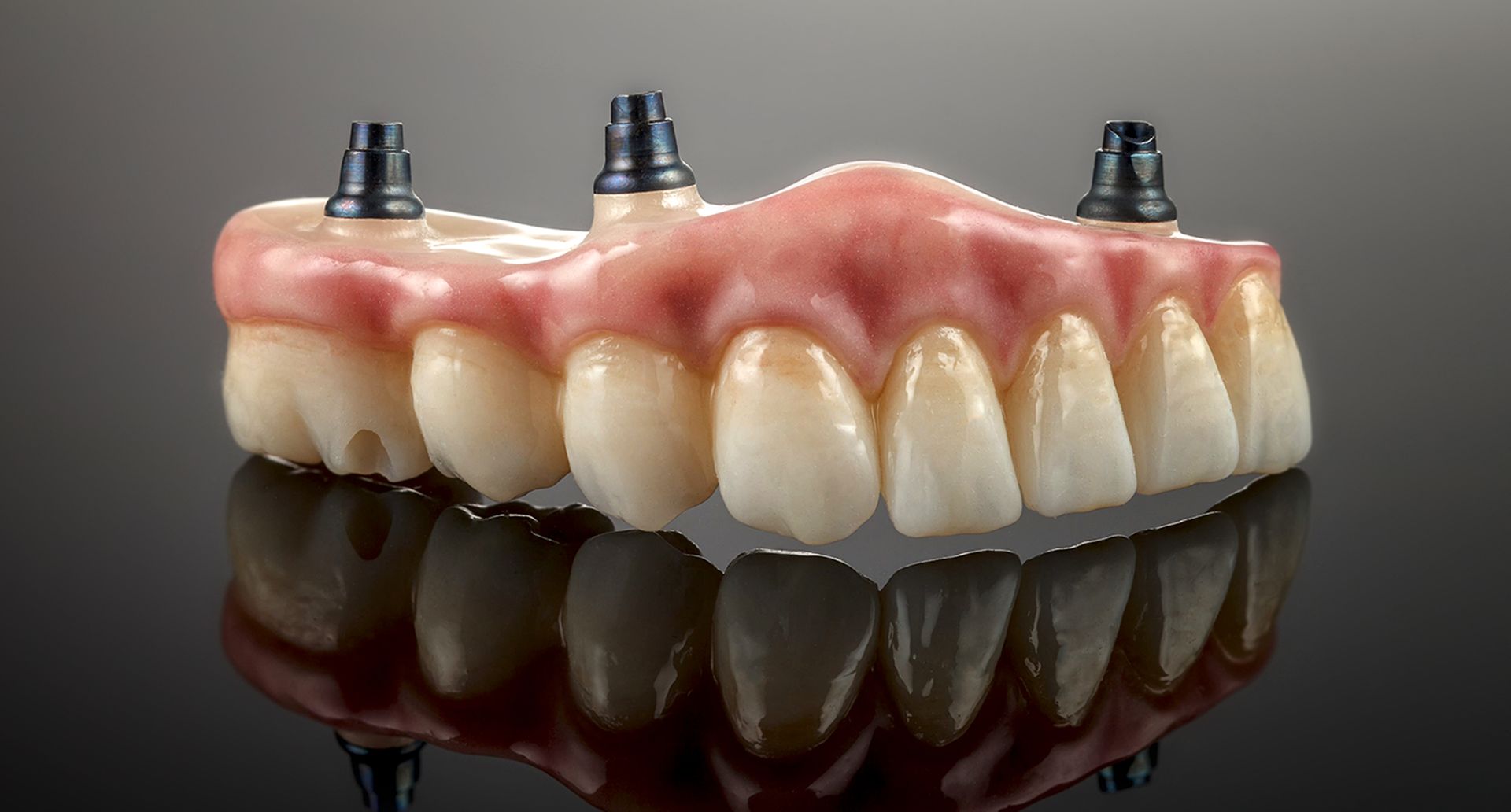

Understanding Zirconia and Acrylic Hybrid Dentures
What Are Zirconia Dentures?
Zirconia is a strong ceramic used in modern dentistry for crowns and bridges. For full-arch cases, it's often milled using digital workflows into a single, durable restoration (or a restoration with layered esthetics in certain designs). Many patients choose zirconia because it's:
- Very strong and resistant to wear
- Highly stain-resistant
- Smooth and easier to keep clean than porous materials
You'll often see this discussed as a premium option for all-on-4 zirconia implants or full-arch zirconia bridges.
What Are Acrylic Hybrid Dentures?
Acrylic hybrid dentures typically use acrylic teeth (and/or an acrylic "gum" portion) connected to a supportive framework. These are commonly used in full-arch implant dentistry because they can be:
- More budget-friendly
- Faster to adjust
- Easier to repair if a tooth chips or breaks
They're sometimes chosen as an entry-level fixed option or as a "step" before moving to zirconia later.
Key Differences in Materials and Fabrication
In simple terms:
- Zirconia is usually a digitally milled ceramic known for strength and long-term polish.
- Acrylic hybrids are often more flexible in adjustments and repairs, but can show wear sooner.
Lab processes, design, and the bite setup all influence results, so it's not only "what it's made of," but how it's made and how it fits your bite.
Comparing Durability and Strength
Fracture Resistance and Longevity
Zirconia is widely known for high fracture resistance, which is why many patients consider it for long-term performance. With good design and bite balance, zirconia can be an excellent choice for patients who want a strong, stable solution.
Acrylic hybrids can last and function well too, but acrylic teeth may be more prone to:
- Chipping
- Wearing down over time
- Needing tooth replacement or relining of portions of the prosthesis
Wear and Tear Over Time
Wear is where the difference often shows up. Acrylic can wear faster, especially for patients who:
- Clench or grind (bruxism)
- Have a strong bite
- Prefer harder foods
Zirconia tends to keep its shape and surface longer, which can help maintain your bite and appearance.
Impact of Daily Use and Bite Pressure
Full-arch implant restorations handle real chewing forces every day. If you have a history of grinding, jaw tension, or cracked teeth, durability matters even more. In many cases, zirconia is chosen for higher-force situations, but the final decision depends on your bite, implant placement, and prosthetic design.
Aesthetic and Functional Differences
Appearance and Realism
Both can look great when designed well. Zirconia often has an edge in:
- A "cleaner," more tooth-like shine
- Long-term color stability
- Strong, natural-looking contours
Acrylic can still look very natural, but may show changes sooner depending on diet, staining habits, and wear.
Stain Resistance and Maintenance Needs
This is a major point for patients comparing zirconia dentures price and value. Zirconia is generally more stain-resistant than acrylic. Acrylic can be more porous, which may make it more likely to hold stains from coffee, tea, wine, and tobacco over time.
No material is "maintenance-free," though. Both require:
- Daily cleaning
- Regular professional checkups
- Good home care around implants to protect the gums
Learn more about proper dental implant maintenance to ensure your restoration lasts.
Comfort and Fit
Comfort often comes down to fit and bite, not just material. That said:
- Zirconia's smooth surface can feel very natural and easy to clean
- Acrylic options can be lighter in some designs and may allow easier adjustments
A well-designed prosthesis, regardless of material, should feel stable, balanced, and comfortable during chewing and speaking.
Zirconia Dentures Price vs Acrylic: What to Expect
Initial Treatment Costs
When people search zirconia dentures price, they're usually asking about the full-arch restoration (and often the whole treatment). In general:
- Zirconia full-arch restorations usually cost more than acrylic hybrids because of materials, milling, lab time, and design complexity.
- Acrylic hybrids are often the more affordable fixed option.
Exact pricing varies by:
- Number of implants used (All-on-4 vs All-on-6, etc.)
- Need for extractions, grafting, or sedation
- Temporary teeth vs final teeth design
- Lab and material choices
- Complexity of the bite and smile design
A helpful way to think about it: zirconia often costs more upfront, but may reduce long-term repairs and esthetic changes for the right patient. For detailed pricing information, check out our guide on the cost of dental implants.
Long-Term Value and Maintenance Expenses
Long-term value matters just as much as upfront cost. Acrylic may involve:
- Tooth wear and replacement over time
- Occasional repairs if teeth chip
- More frequent cosmetic refresh needs
Zirconia may offer:
- Better wear resistance
- Less staining
- Strong long-term stability
However, zirconia repairs can be more complex depending on the type of damage, so planning and bite design are key from the start. Understanding how long dental implants last can help you make informed decisions about material choice.
Insurance, Financing, and Investment Considerations
Dental insurance coverage for full-arch implant treatment varies widely, and many plans don't cover the full cost. Many patients compare options based on:
- Monthly financing vs total investment
- Expected lifespan of the restoration
- How many future repairs or replacements might be needed
A treatment plan should include a clear breakdown: surgical phase, temporary prosthesis (if used), and final prosthesis material options. Learn more about the real cost of permanent denture implants.
Clinical Factors That May Influence Your Choice
Bone Support and Surgical Considerations
Your anatomy and implant placement can influence the best prosthetic material. The final restoration has to match:
- Implant positions
- Available space for materials
- Bite forces and jaw function
A well-planned case makes either zirconia or acrylic more predictable. In some cases, procedures like sinus lift surgery may be needed to ensure adequate bone support.
Patient Preferences and Lifestyle
Ask yourself:
- Do you want the most stain-resistant, strong option possible?
- Are you looking for the most budget-friendly way to get fixed teeth?
- Do you grind your teeth or have a heavy bite?
- Do you want a material that's easier to repair if something happens?
Your daily habits can make one option a better fit.
Dentist's Treatment Philosophy and Lab Access
Full-arch work is as much about planning and execution as it is about materials. Digital design, the lab's experience, and your dentist's approach to bite balance and long-term maintenance can all affect outcomes, sometimes more than the material alone.
When choosing a provider, consider questions to ask your dental implant dentist to ensure you're making the best choice.
Conclusion: Which Is Best for You?
Zirconia for Long-Term Strength and Beauty
If your priority is long-lasting durability, stain resistance, and a premium feel, zirconia is often the top pick, especially for patients who want a long-term solution and are willing to invest more upfront.
Acrylic for Budget and Flexibility
If affordability, adjustability, and simpler repairs matter most, acrylic hybrid dentures can be a solid option, especially when designed well and maintained properly.
Choosing the Right Solution with Your Dentist
The "best" choice depends on your bite, implant plan, and goals. The smartest next step is a consultation that includes imaging, bite evaluation, and a clear comparison of materials so you understand the true long-term value, not just the starting price.
If you're considering same-day dental implants or wondering if it's too late to get dental implants, our team can help guide you through the process.
Let’s Do Your New Smile
If you're considering full-arch implants and want a clear comparison of zirconia vs acrylic (including what impacts zirconia dentures price in your specific case), schedule a consultation. A personalized exam is the fastest way to match the right material to your bite, lifestyle, and budget.
Frequently Asked Questions
Share This Blog