Same-Day Dental Implants vs Traditional Implants: Can You Really Get Teeth in a Day?

Yes, you can often get teeth in a day, but there's an important detail: in most cases, the teeth you get the same day are temporary teeth, not the final set. The final, permanent restoration usually comes later, after healing.
This article is written from the point of view of an implant-focused dental team that plans cases with 3D imaging (CBCT), places implants, and restores them with temporary and final teeth. That hands-on, start-to-finish experience matters because "same-day" outcomes depend on careful case selection, bite control, and planning, not just speed.
The phrase "teeth in a day" can sound like marketing, but there is real science behind it. The concept is called immediate loading, where implants are placed and a temporary tooth (or temporary bridge) is attached quickly, sometimes the same day. That said, not everyone qualifies, and the process is different from traditional dental implants, which usually take months from start to finish.
In this guide, you'll learn what same-day dental implants actually are, what happens on day one, how they compare to traditional implants, and how to know which path is safer for your case.
What Are Same-Day Dental Implants?
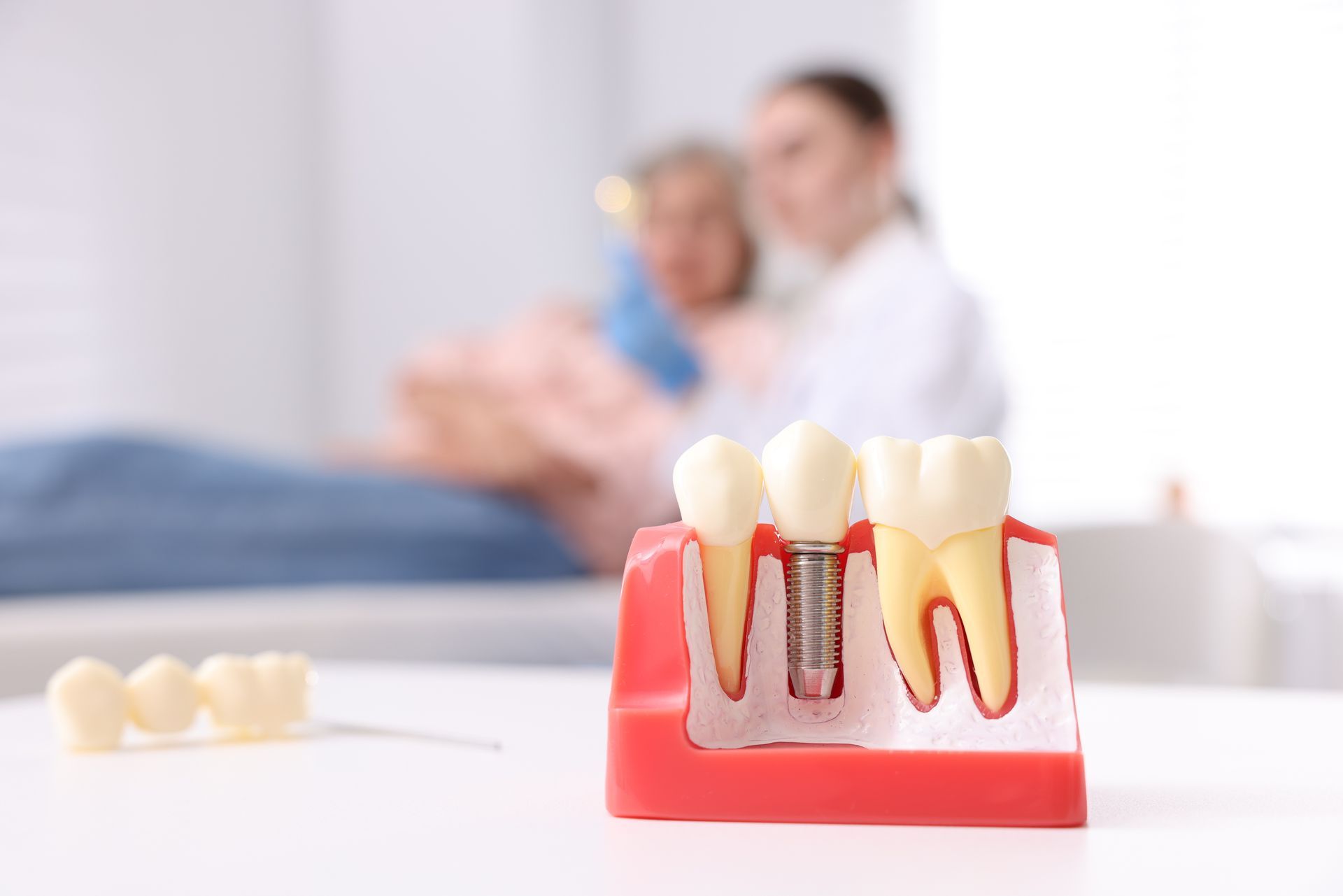
Same-day dental implants are a treatment approach where an implant is placed and you leave with a tooth that looks like a real tooth right away. The key idea is that you don't have to wait months without teeth or with a removable temporary option, if you're a good candidate.
The Immediate Load Concept
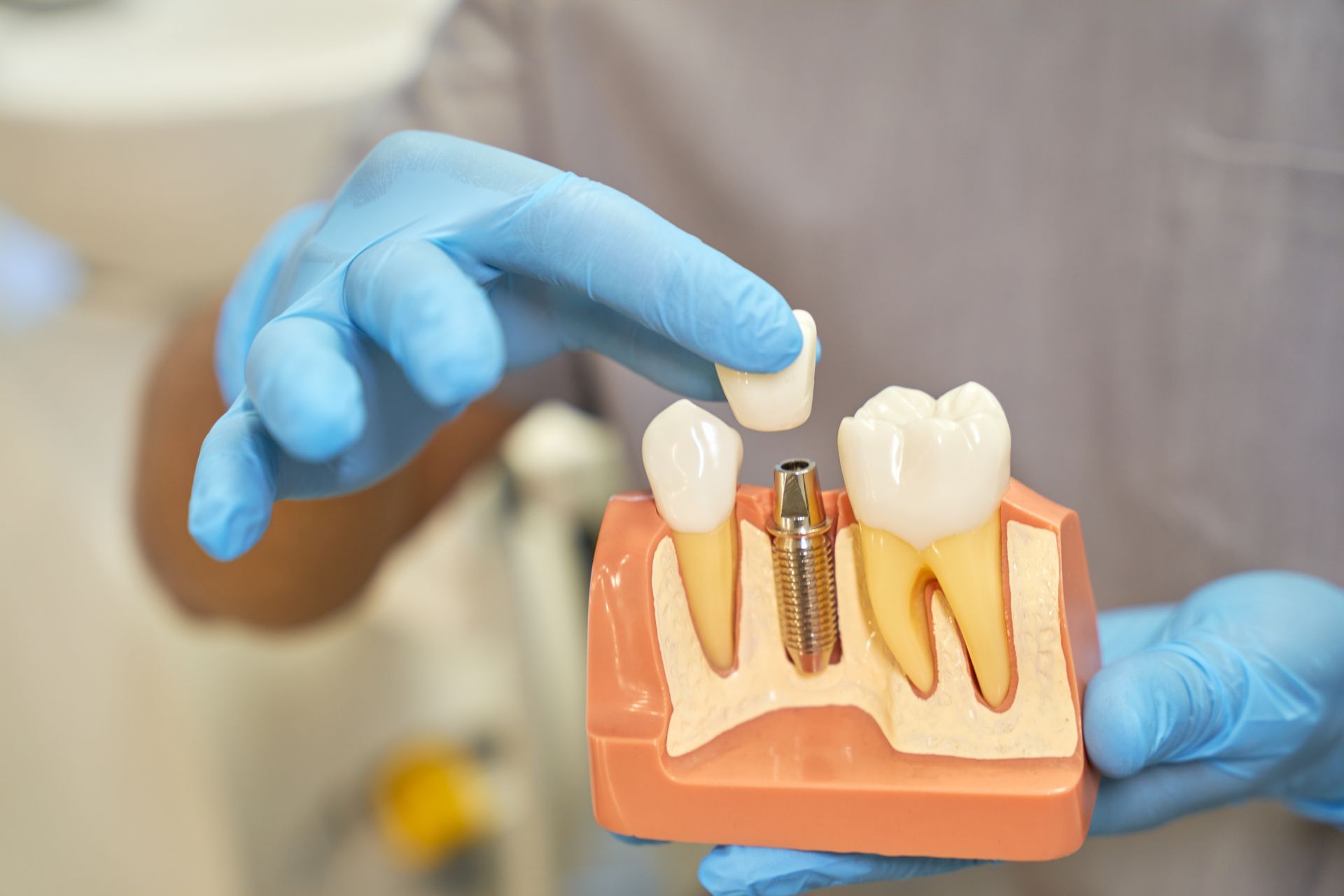
The clinical term for same-day teeth is immediate load dental implants (or "immediate loading protocol"). It means the implant is placed and given a temporary restoration quickly, often within 24 hours. This is possible when the implant is stable enough at placement and the bite can be designed to avoid harmful pressure during healing.
Immediate loading works because implants don't heal by "gluing" in place. They heal through osseointegration, where bone gradually grows and bonds to the implant surface. In the early healing phase, too much force can disturb that process, which is why careful bite management is a big deal with same-day cases.
What You Actually Get "In a Day"
When people ask, "Can I really get teeth in a day?" the honest answer is: you can often get a temporary tooth in a day, and that can be a big quality-of-life upgrade. But the permanent tooth is typically not placed that same day.
Here's what "same-day" usually means in real life:
- You may get an implant and a temporary crown the same day for a single tooth case (when conditions are ideal).
- For
full-arch cases, you may receive a temporary fixed bridge right away, then upgrade to the final bridge after healing.
- Your permanent crown comes later because the final restoration needs stable gum shape, healed bone, and a refined bite.
So the goal of day one is a safe, stable immediate restoration that looks great and protects healing, not the final bite-perfect, long-term crown or bridge.
Technology That Makes It Possible
Same-day outcomes are more predictable today because of better planning and imaging. Most clinics that offer this approach rely on CBCT 3D imaging, along with digital implant planning to map bone, nerves, sinus space, and ideal tooth position. Many cases also use guided implant surgery, where a digital plan helps guide placement for better accuracy, especially helpful when the goal is quick, confident temporary teeth with good fit and appearance.
What Are Traditional Dental Implants?
Traditional implants are the "staged" approach. They're still very common, and in many cases they are the safest and most predictable option, especially when the bone or gums need extra time to heal.
The Two-Stage Process
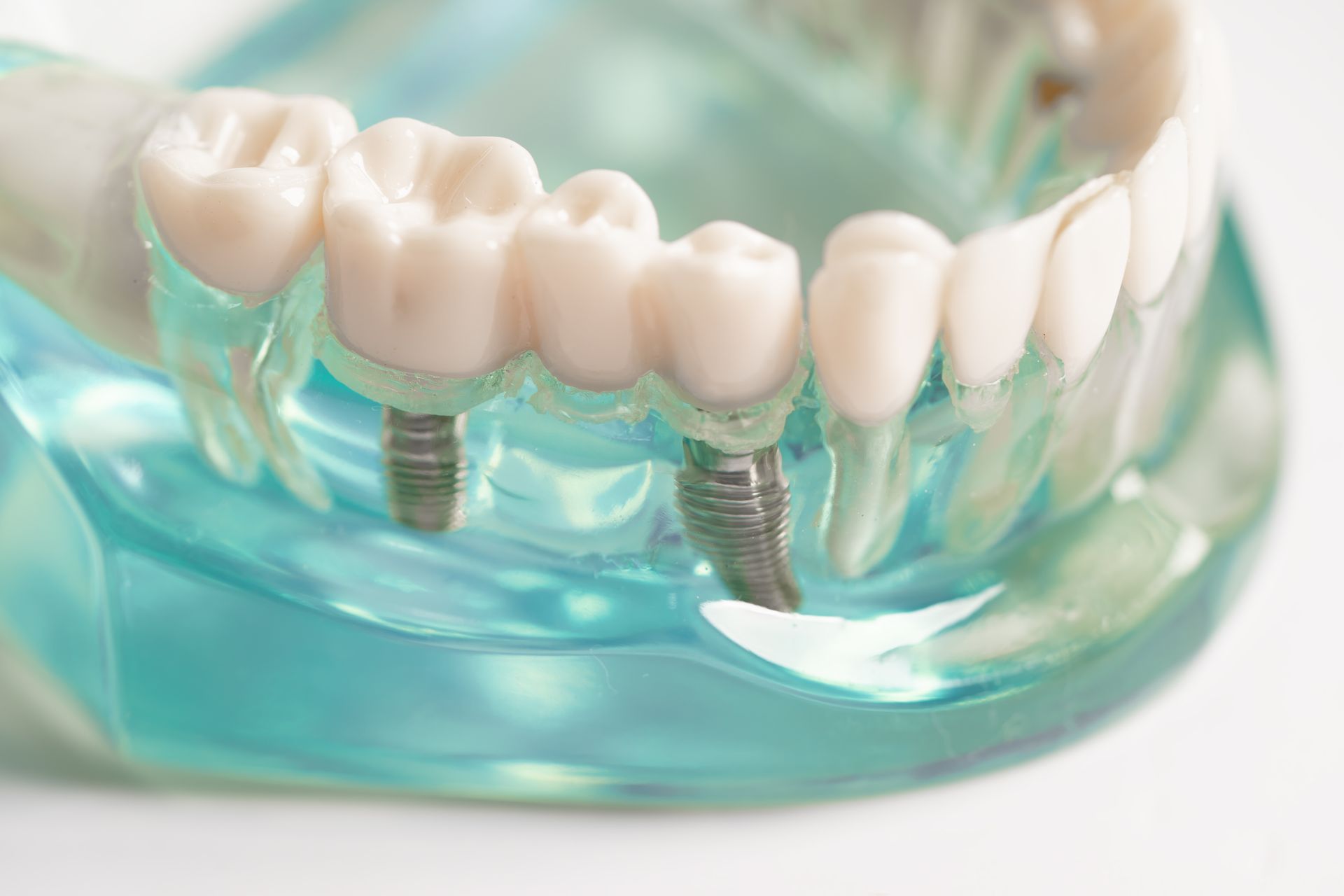
In the traditional approach, the implant is placed in the bone first. Then there is a healing period where osseointegration happens. After that, the implant is uncovered (if needed), an abutment is placed, and then the final crown or bridge is made and attached.
Depending on your case, it may take several months from implant placement to final teeth. Timelines can be longer if grafting is needed or if multiple steps are involved.
Why Healing Time Matters
Healing time matters because it protects osseointegration. Traditional implants reduce risk by limiting pressure on the implant during early healing. That slower approach can be especially helpful when bone density is low, when infection was present, or when the plan includes bone grafting. If a same-day plan feels risky for your situation, the traditional approach may offer more stability and long-term confidence.
Key Differences Between Same-Day and Traditional Implants
Same-day and traditional implants can both succeed at a high level. The best option is usually the one that matches your anatomy, health, and risk tolerance.
Treatment Timeline
Same-day treatment compresses steps. You may have implant placement and temporary teeth quickly, sometimes in one visit. Traditional implants spread steps out, often over months, so the final restoration comes after full integration. Same-day is faster for appearance and basic function. Traditional is slower but more conservative.
Number of Appointments
Same-day treatment can mean fewer dental visits, especially for patients who would otherwise need a removable temporary. Traditional implants may involve more appointments because the process is staged. That said, same-day cases often include careful follow-ups too, it's not a "one-and-done" situation, just a faster start.
Healing and Osseointegration
Both approaches rely on osseointegration. The difference is what happens during that early healing window. Same-day cases use immediate loading and must control bite forces carefully. Traditional cases typically keep pressure lower by waiting longer before placing the final tooth.
Stability and Risk Factors
Same-day can be very predictable when the implant is stable at placement and bone quality is strong. Traditional may be safer when stability is uncertain, when infection is present, or when grafting is required. A good clinician is thinking about one thing first: implant stability. Speed only comes second.
Pros of Same-Day Dental Implants
Same-day can be a great option for the right person, and the benefits are straightforward.
Immediate aesthetics and confidence. If you've been hiding your smile or dealing with missing teeth, walking out with teeth the same day can feel like a huge relief. Even though they're temporary, they can look natural and help you feel like yourself again.
No removable temporary dentures. Many patients want to avoid temporary dentures because they can move, feel bulky, or irritate gums. Same-day options often provide a fixed temporary instead, which most people find far more comfortable.
Fewer overall appointments. Same-day treatment can reduce the number of major steps, which often means fewer visits overall, especially compared to a staged plan with healing checks, second-stage surgery, and multiple impressions.
Faster functional restoration. Getting a temporary tooth quickly helps with basic chewing and speaking. You still need to be careful, but many patients appreciate returning to normal life sooner.
Potential Limitations of Same-Day Implants
Same-day is not "better." It's simply different, and it comes with rules.
Not everyone is a candidate. The biggest factor is bone and gum health. Strong candidates typically have excellent bone quality, good bone density, and healthy gums. If there's active gum disease, infection risk rises and the plan may need to slow down.
Higher technique sensitivity. Same-day cases require precise planning and placement. Small errors in implant angle, bite design, or temporary tooth fit can increase stress on the implant. Provider experience and careful protocols matter more here than in a staged approach.
Temporary teeth require care. A same-day temporary is not meant for hard chewing. During early healing, you'll need a soft food diet and controlled bite pressure. Think of it like protecting fresh concrete, it's strong later, but it needs time to set.
Pros of Traditional Dental Implants
Traditional implants remain the go-to option in many cases because of how predictable they can be.
Conservative healing approach. The staged process gives bone time to integrate without early loading, especially helpful when stability is borderline or when multiple steps are needed.
Predictable osseointegration timeline. Because the implant is protected from heavy biting forces early on, the integration process can be more forgiving.
Better for complex cases or compromised bone. If you need grafting, have significant bone loss, or are recovering from infection, a traditional timeline creates a safer path to long-term success.
Who Is a Good Candidate for Same-Day Dental Implants?
Same-day success starts with the right candidate. A clinician will evaluate stability, bone, gums, and bite.
Patients with strong jawbone density. Good implant stability at placement is the foundation of immediate loading. This is why 3D imaging matters, it confirms bone volume and density before committing to a same-day approach.
Healthy gums and controlled medical conditions. Gum disease and uncontrolled health conditions can affect healing. Many patients with well-managed systemic conditions do fine, but each case must be evaluated carefully.
Non-smokers or light smokers. Smoking can reduce healing capacity and increase complications, particularly with immediate loading, where healing conditions need to be optimal.
Patients needing full-arch replacement. Full-arch "teeth in a day" cases are often planned specifically for immediate temporaries. The bite can be designed to spread forces and the temporary shaped to protect healing. If you're exploring this route, our All-on-4 candidate guide walks through exactly what makes someone a good fit.
When Traditional Implants May Be the Better Option
Some cases simply do better with time.
Significant bone loss requiring grafting. If you need bone grafting before implants, the timeline typically becomes staged. Bone needs time to mature before it can reliably support implants under load.
Active infection or untreated gum disease. With active infection, a staged plan is almost always safer. The risk isn't just the gums, it can affect bone support and long-term stability too.
Medical conditions affecting healing. Health conditions that affect immune response or healing may require extra caution and coordination with your physician.
Cases requiring staged reconstruction. Some patients need extractions and healing first, sinus work, or bite correction. That often fits better with a traditional timeline, even if same-day was the original goal.
What Affects Success Rates for Both Options?
Both same-day and traditional implants can have excellent outcomes. Success depends on fundamentals.
Surgeon experience. Implant placement and bite design must be precise, especially with immediate loading. This is one area where choosing the right provider has a direct impact on your outcome.
Proper case selection. The right plan for the right patient is the biggest factor. Same-day should be chosen because the case supports it, not because the calendar demands it.
Patient compliance during healing. Following diet instructions, keeping the area clean, and attending follow-ups can make a real difference, especially in the critical early weeks.
Bite force management and follow-up care. Clenching, grinding, eating hard foods too early, or ignoring adjustments can overload an implant. Follow-up visits help keep the bite balanced while healing progresses.
Cost Considerations: Is Same-Day More Expensive?
Same-day can cost more in some cases, but it depends on what's included and how the plan is built.
Technology and surgical planning costs. Same-day often relies on CBCT imaging, digital planning, and sometimes guided surgery. That planning can add cost, but it also adds precision.
Temporary restoration included in treatment. Same-day typically includes a temporary tooth or bridge as part of the plan. Traditional plans may include a removable temporary or stage restorations differently, which changes what you're paying for and when.
Long-term value vs short-term timeline. The lowest-cost option isn't always the best value. A plan that protects stability and reduces complication risk often saves money and stress long-term, regardless of whether it's same-day or traditional. For a full breakdown of what goes into implant pricing, see our dental implant cost in Tampa page.
Can You Really Get Teeth in a Day?
Yes, you can often get teeth in a day, but they are usually temporary restorations designed to protect healing. Your final teeth come after proper healing, once osseointegration is complete and the bite can be finalized.
The best option depends on your bone quality, gum health, medical history, and how stable the implant is at placement. If you want a clear answer for your situation, a consultation with a CBCT scan and a written plan is the most reliable way to determine whether same-day implants are a safe fit, or whether a traditional staged approach will give you the best long-term outcome. Contact our Tampa team to get started.
Frequently Asked Questions
Share This Blog