Full Mouth Dental Implants Cost in Florida: What Really Affects the Price?

If you're researching full mouth dental implants cost in Florida, you'll notice the price range is wide. That's normal, because "full mouth implants" isn't one single procedure. This guide is written from the perspective of an implant-focused dental team in Tampa that regularly evaluates full-arch cases, reviews CBCT scans (3D imaging), and builds treatment plans that include surgery, temporary teeth, and final restorations. The goal here is simple: give you clear answers first, then explain what actually changes the price.
The main reason full mouth implant pricing varies is that the plan depends on your bone, your gum health, your bite forces, and the type of teeth you choose. You're not just paying for implants. You're paying for the full system: planning, surgery, custom-made teeth, lab work, and follow-up care.
Here are the biggest "price movers" in one glance:
- How many implants are used per arch (All-on-4 vs
All-on-6)
- Whether you need bone grafting or a
sinus lift
- The material for your final teeth (acrylic vs
zirconia vs hybrid)
- Whether the quote includes temporary teeth, final teeth, and aftercare
Now let's break it down in a way that makes it easier to compare clinics and quotes.
What "Full Mouth Dental Implants" Means (And Why That Changes Cost)
Full-arch implants vs. "a full set" of individual implants
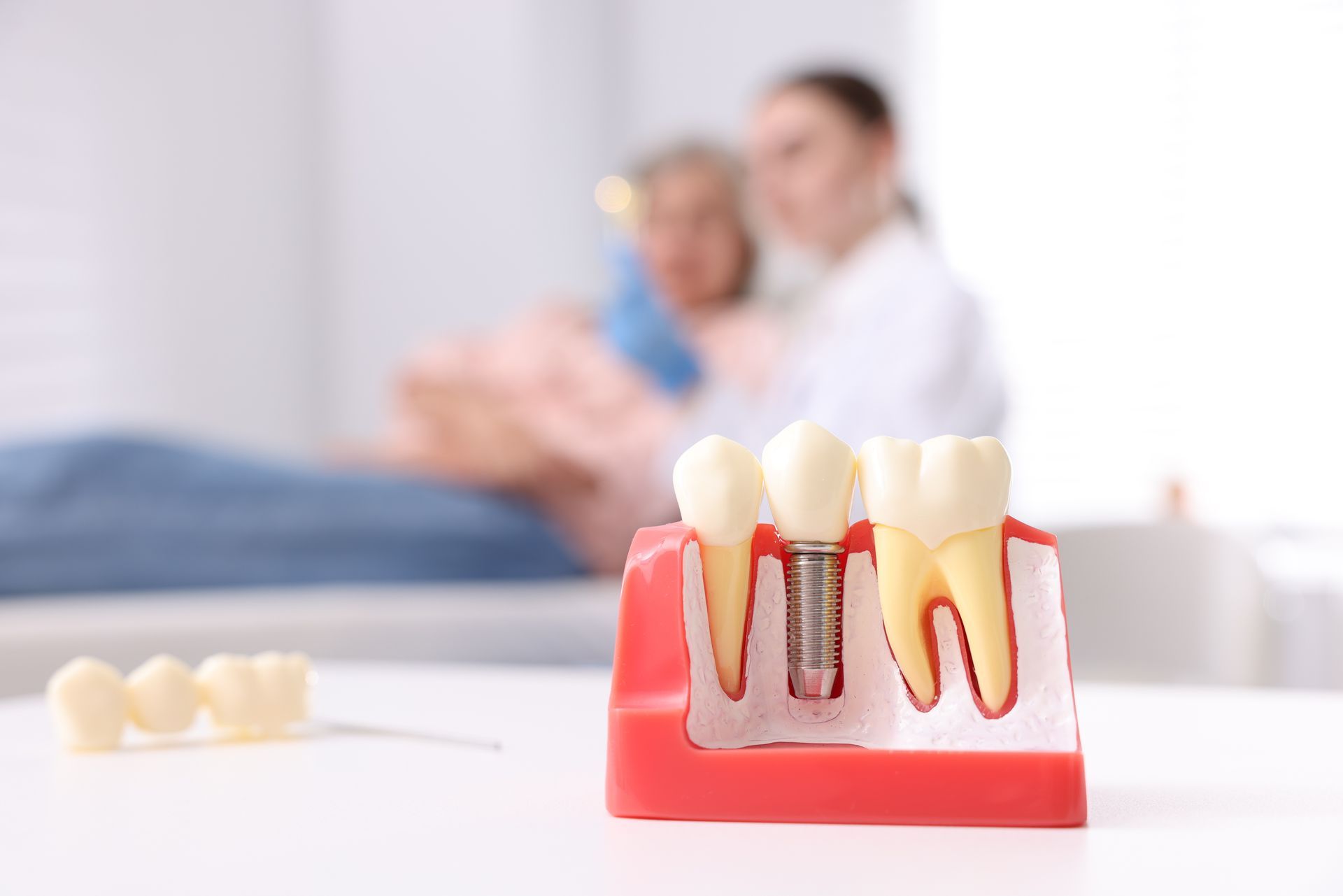
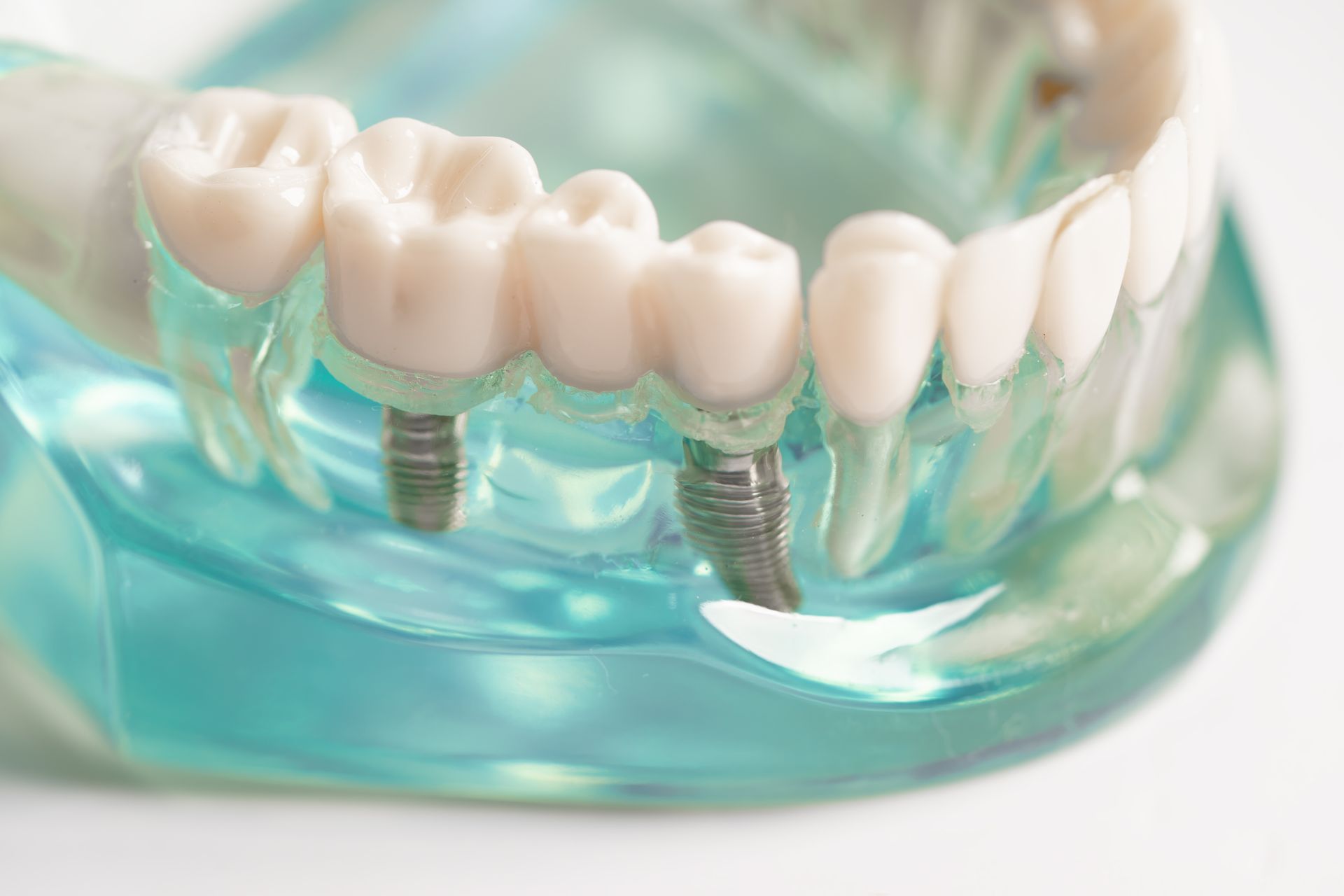
A lot of people think "full mouth implants" means one implant for every missing tooth. That is rarely necessary. Most modern full-arch treatment replaces a whole row of teeth using a smaller number of implants that support one connected bridge.
So when you see pricing, make sure you're clear on which type it is:
- Full-arch implants: several implants support a single full arch bridge (most common approach)
- Individual implants: one implant per tooth (usually the highest-cost approach)
One arch vs. upper and lower together
"Full mouth" often means two arches (upper and lower), but not always. Some patients only need the upper or lower arch replaced. Others want both done for a full transformation. If you're unsure what an arch means in the context of implants, this explanation breaks it down clearly.
This matters because doing both arches typically means more implants, more components, more lab work, and more time.
Implant-supported bridge vs. implant-supported dentures
You'll usually see two main end results. A fixed implant bridge stays in place and is designed to feel more like natural teeth day to day. An implant-supported denture may be removable for cleaning (depending on the design). That difference changes comfort, maintenance, and cost, so make sure the plan states which one you're getting.

Typical Cost Ranges in Florida (What Most Patients Can Expect)
Most Florida practices quote ranges because you can't know the true total until a dentist reviews your bone and gum conditions with a clinical exam and 3D imaging.
In general, many patients see ranges like:
- One arch (upper or lower): often around $15,000 to $35,000+
- Both arches (full mouth): often around $30,000 to $70,000+
Those numbers can go up if you need extra procedures or premium materials, or go down in simpler cases or removable options. The key is understanding what the quote actually includes. For a more detailed breakdown, see our dental implant cost in Tampa page.
Why online prices can be misleading
Online prices often confuse people because they might be:
- Per arch instead of full mouth
- "Starting at" pricing that assumes no extractions, no grafting, and basic materials
- Missing sedation, temporary teeth, or the final restoration material
A real comparison starts with a written plan that lists implants per arch, restoration type, and what's bundled.
The Biggest Factors That Drive Full Mouth Dental Implant Cost
How many implants you need (All-on-4 vs All-on-6 and beyond)
This is one of the most common cost differences. In many cases, you'll be comparing All-on-4 dental implants (fewer implants per arch) against All-on-6 dental implants (more implants per arch). More implants can raise the upfront cost, but it may be recommended based on bone quality, bite forces, and long-term stability goals. The "right" choice is the one that fits your anatomy and function, not just the lower number.
Bone quality and the need for grafting or sinus lift
Your bone is the foundation. If there isn't enough bone volume or density, your plan might include bone grafting or a sinus lift, more common for upper back areas. These steps aren't optional "add-ons" when they're needed; they're often what makes implants predictable and long-lasting.
Extractions, infection, and "resetting" unhealthy foundations
If you have failing teeth, active infection, or gum disease, treatment may include extractions and infection management before (or during) implant placement. That can change both the total cost and the timeline. A quick quote without imaging can miss this entirely, because many of these issues don't show clearly without a 3D scan and exam.
Type of restoration material (acrylic vs zirconia vs hybrid)
Your final teeth are a major part of the investment because they're custom-designed and lab-made. A simple way to understand the difference:
- Acrylic full arch cost is often lower up front, and acrylic can be easier to repair, but it may wear faster.
- Zirconia full arch cost is often higher, but zirconia is known for strength and stain resistance.
- Hybrid options can land in the middle depending on the design.
Material choice affects the look, feel, durability, and long-term maintenance, not just the price.
Temporary teeth vs final teeth (and how many steps you'll have)
Many full-arch cases include a temporary set of teeth first, then a final set later. That's because healing, bite changes, and fine-tuning happen after implant placement. So when you're comparing plans, check whether the quote includes temporary teeth during healing and the permanent full arch bridge as the final restoration. If a quote looks "cheap," it may be missing one of these phases.
Digital planning, 3D imaging, and guided surgery
High-quality full-mouth plans usually involve detailed planning, 3D CT scans, digital implant planning, and guided surgery. Even when it's bundled into the overall fee, this planning affects the total. It can improve accuracy and reduce surprises, especially for full-arch cases where bite and esthetics matter.
Sedation and anesthesia level
Sedation can change the total cost because it adds staff, medication, and monitoring. Some plans are done with local anesthesia; others use IV sedation for comfort, especially when treatment includes extractions and longer surgery time. That's why sedation can be a real difference between quotes from different clinics.
Understanding the Full Investment: What's Included in a Full Mouth Implant Treatment Plan
Surgical phase costs
The surgical phase typically includes the evaluation, imaging, and the procedures that prepare your mouth for implants. Depending on your situation, that may include extractions, implant placement, and grafting. Some offices list the dental implant consultation separately, while others bundle it into the overall fee. Either is fine, what matters is transparency.
Restorative phase costs
This is the "teeth-making" phase. It often includes implant components, scans or impressions, bite records, lab design and fabrication, and delivery and adjustments. This phase is a big reason costs vary between clinics because lab quality, materials, and how the teeth are designed can differ a lot from one office to another.
Aftercare and maintenance
Full-arch implants need ongoing care. You'll likely have follow-up visits, professional cleanings tailored for implants, and sometimes a night guard (especially if you clench or grind). Understanding how to maintain your dental implants long-term helps you factor in the true cost of ownership, not just the upfront investment. These costs are usually smaller than the main procedure, but they matter for long-term value.
Full Mouth Implant Options Compared (Cost vs Value)
All-on-4
All-on-4 is a popular full-arch option because it can provide a fixed result using fewer implants. It can be a great fit when bone and bite allow it. The main point is that the design must match your anatomy, and the temporary phase must be protected while healing. If you're wondering whether you're a candidate, our All-on-4 candidate and expectation guide walks through what to expect.
All-on-6 (or more implants)
All-on-6 or more implants may be recommended when the goal is added support and load distribution. It often costs more up front because of additional implants and components, but it can be part of a plan focused on long-term stability.
Implant-supported removable overdentures
Implant-supported dentures can be a more affordable entry point for some patients. Cost will vary based on how many implants are used and what attachment system is chosen. This option can be easier for some people to clean, but it may not feel as "fixed" as a bridge. You can read more about permanent denture implant costs to understand the full picture.
Why Prices Vary Between Clinics in Florida (Even for "The Same" Treatment)
Provider experience and team model
Full-arch implant cases are technical. Offices that do these cases regularly may have more refined workflows, which can impact predictability and cost. Some clinics keep everything in-house, while others coordinate multiple providers.
In-house lab vs outsourced lab quality
The lab matters. Teeth that fit well, look natural, and hold up over time require good design and fabrication. Higher-quality lab work can raise the fee, but it can also reduce adjustments and repairs later.
Technology and quality controls
Clinics that invest in CBCT imaging, guided surgery, and digital design systems may charge more. That added planning often supports accuracy and smoother restorative outcomes.
What's bundled vs itemized
One clinic may give an all-in fee; another may itemize each step. Don't judge the format, judge the details. A complete plan should clearly state what's included and what might change if additional procedures are needed. A good starting point is knowing the right questions to ask your implant dentist before you commit.
How to Evaluate Quotes (And Avoid Hidden Costs)
Make sure the plan specifies: implants per arch, materials, and final restoration type
A solid quote should clearly state the number of implants per arch, whether the teeth are fixed or removable, what the temporary phase includes, and what material the final teeth will be made from. If you can't find those details in writing, you're not comparing the same treatment.
Confirm what happens if you need grafting or additional procedures
Ask how the clinic handles common "may need" items like grafting, sinus work, extractions, or sedation upgrades. Good offices explain possibilities upfront, so you don't feel surprised later.
Ask about repairs, warranty, and long-term maintenance expectations
Temporary teeth can break if you bite too hard during healing. Even final teeth may need maintenance over time. Understanding repair policies and maintenance expectations helps you understand the true long-term cost.
Ways Patients Pay for Full Mouth Implants in Florida (Without Chasing the Lowest Sticker Price)
Financing and monthly payments
Many patients use financing to spread the investment out. Monthly payments depend on the amount financed, the term, and the rate. If you're comparing options, ask for monthly payment examples based on the same treatment scope.
Insurance and out-of-network considerations
Insurance may help with related procedures like extractions or imaging, but full-arch implants are often largely out-of-pocket. A benefits check can clarify what is realistic before you commit.
Phased treatment approaches
Some patients stage treatment by doing one arch at a time, addressing grafting first, or starting with a removable option and upgrading later. Phasing can make treatment more manageable while still aiming for a strong end result.
What Really Affects the Price (And How to Choose the Right Plan)
In Florida, full mouth dental implants cost mainly comes down to the number of implants, bone and gum conditions, whether grafting or sinus work is needed, the material used for the final teeth, the temporary-to-final workflow, sedation, and the quality of planning and lab work.
If you want the most accurate number, the best next step is a 3D evaluation and a written plan that clearly lists implants per arch, restoration type, temporary teeth, final material, and what's included. That's how you compare clinics fairly and choose a plan that's built to last. Contact our Tampa team to schedule your evaluation.
Frequently Asked Questions
Share This Blog