Dental Flippers vs Dental Implants: Temporary Fix or Long-Term Solution?

If you're comparing dental flipper vs implant, here's the simple answer: a dental flipper is usually a temporary tooth replacement, while a dental implant is designed to be a long-term tooth replacement. A flipper can help you smile and speak while you wait for a permanent option, but it doesn't replace the tooth root, and it won't stop bone loss. Implants cost more upfront, but they're more stable, last longer, and function more like a natural tooth.
This guide is written from a dental perspective focused on patient education—how these options work, what they feel like day to day, and how to choose safely. Our team plans and restores tooth replacements regularly, so we see what holds up long-term, what needs frequent repairs, and what patients wish they knew before choosing.
What Are Dental Flippers and Dental Implants?
What Is a Dental Flipper?
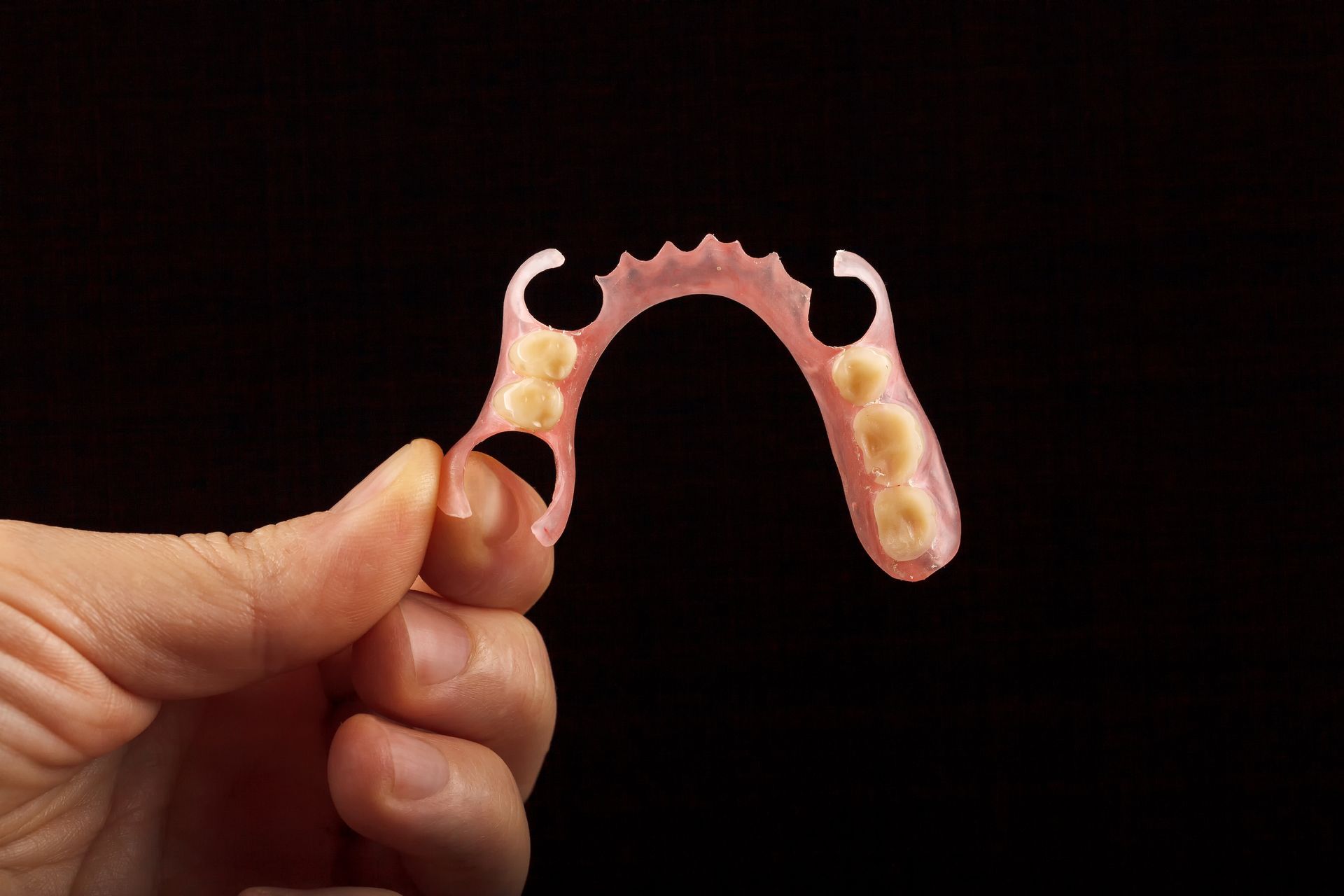
A dental flipper (sometimes called a flipper tooth) is a lightweight, removable appliance with one or more replacement teeth set in a pink acrylic base. It's typically used when you're missing a tooth and need something quick while you heal or decide on a permanent solution.
Many people use a flipper:
- After an extraction while gums heal
- While waiting for an implant or bridge
- For cosmetic reasons in the front of the mouth
A flipper is often considered one of the most affordable tooth replacement options, but it's not built for heavy chewing long-term.
What Is a Dental Implant?
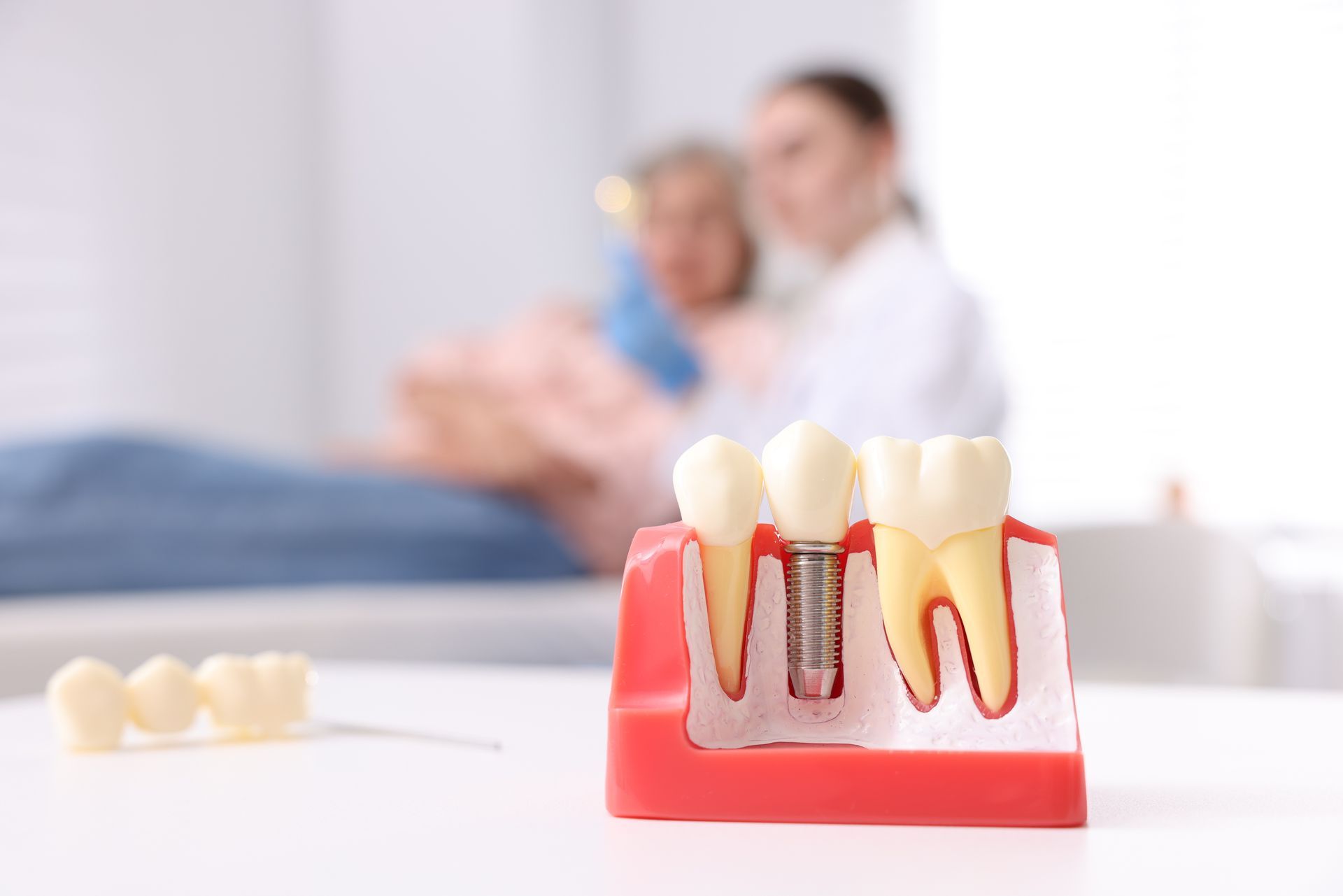
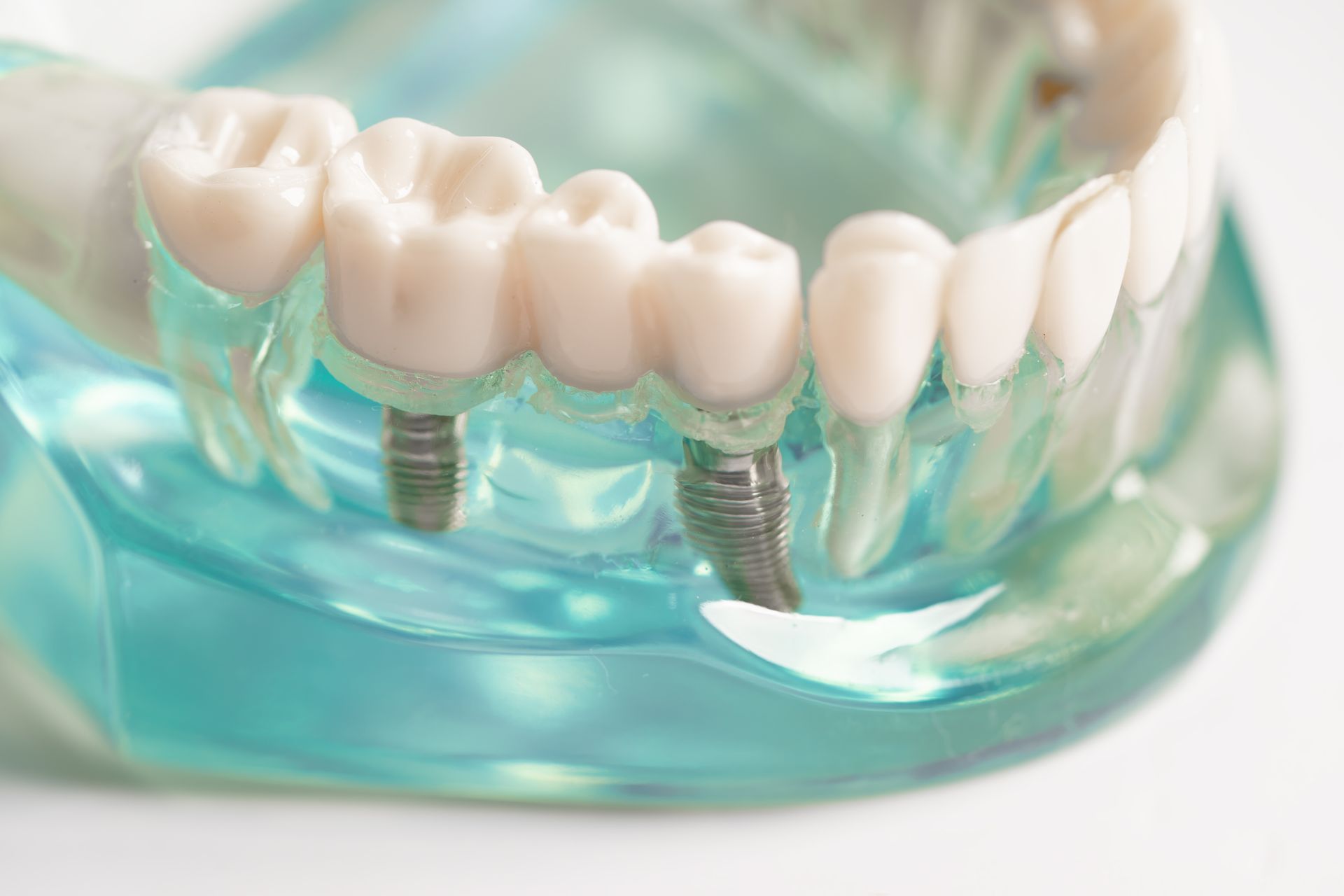
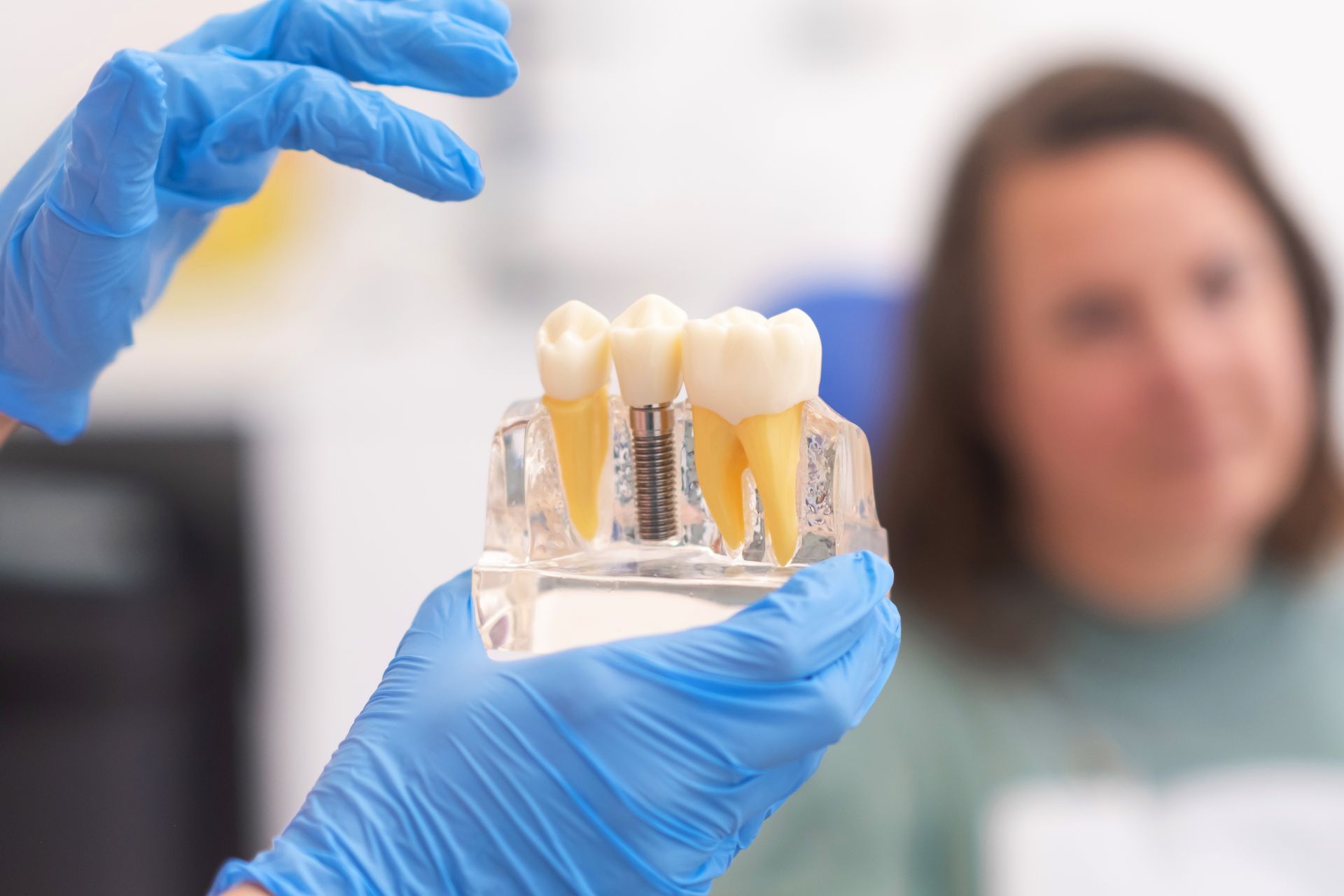
A dental implant replaces the root of a missing tooth. A small titanium post is placed in the jawbone, allowed time to bond with the bone, and then a crown is attached to restore the visible tooth. This is why implants are viewed as a permanent tooth replacement option.
Implants can help:
- Keep the jawbone stronger over time
- Provide a stable bite
- Prevent nearby teeth from shifting into the gap
Key Differences Between the Two Options
When people search dental flipper vs implant, they're usually weighing four things:
- Time: Flippers are fast; implants take longer because healing matters.
- Stability: Flippers can move; implants are fixed and stable.
- Function: Flippers are limited for chewing; implants function more like real teeth.
- Long-term impact: Flippers do not replace the root; implants help support bone health.
Pros and Cons of Dental Flippers
Affordability and Accessibility
A big reason flippers are popular is cost. A flipper is usually less expensive upfront than an implant, and it can often be made quickly.
Pros include:
- Lower initial cost (helpful for dental flipper cost comparison)
- Quick replacement for a missing tooth
- Non-surgical solution
Aesthetic and Functional Limitations
Flippers can look good, especially at first. But there are real limitations.
Common downsides:
- Can feel bulky or awkward at first
- May shift while talking or eating
- Not ideal for hard or sticky foods
- Can break if dropped or stressed
- Often needs adjustments as your mouth changes
A flipper is a temporary tooth replacement, so comfort and durability are usually not the same as a fixed option. Learn more about how dental flippers work in our detailed guide.
When Are Dental Flippers a Good Option?
A flipper can make sense when:
- You need a short-term solution after extraction
- You're healing and not ready for a final restoration
- You want an affordable way to avoid a visible gap
- You need something removable for a short period
In many cases, a flipper is used as a "bridge" while planning implants. If you're wondering about tooth replacement after extraction, we can help guide you through your options.
Pros and Cons of Dental Implants
Durability and Long-Term Performance
Implants are built for longevity. With good oral hygiene and routine dental care, implants can last many years and often longer than other tooth replacement options.
Benefits often include:
- Strong bite and stable chewing
- Very natural feel and appearance
- No need to remove at night
- Helps protect the jawbone beneath the missing tooth
This is a big reason patients view implants as a top option for long-term dental solutions. Understanding how long dental implants last can help you make an informed decision.
Cost and Surgical Considerations
Implants do cost more upfront, and they require a surgical step. That's not a bad thing—it's just part of what makes them more stable.
Things that can affect the cost of dental implants:
- Whether extraction is needed
- Bone level and whether grafting is required
- Number of implants
- Type of crown and materials
- Timeline and complexity
Some people also need extra planning if they have certain medical conditions, smoke, or grind their teeth. Learn more about understanding recovery time for dental implant surgery to set realistic expectations.
When Are Dental Implants Recommended?
Implants may be recommended if:
- You want a permanent solution
- You want the most natural chewing function
- You want to reduce shifting of nearby teeth
- You want to support bone health in the area of the missing tooth
Implants are often the go-to option when you want a replacement that feels and functions closest to a natural tooth. Whether you need single tooth replacement or multiple teeth replacement, implants offer versatile solutions.
Comparing Dental Flipper vs Implant: What Matters Most
Comfort and Daily Use
Flippers can feel "fine" for many people, but comfort varies. Some patients feel the appliance rubbing the gums or notice it moving slightly.
Implants are fixed, so once healed and restored, most people report:
- Better comfort during eating
- Less worry about movement
- More confidence when speaking
If comfort is your top concern, an implant usually wins—after healing is complete.
Maintenance and Longevity
A flipper requires daily care and careful handling:
- Remove it to clean it
- Avoid harsh cleaners that can damage acrylic
- Store it safely (many break when dropped)
- Expect future adjustments as the mouth changes
Implants also require maintenance, just in a different way:
- Brush and floss daily around the implant
- Keep gums healthy with professional cleanings
- Follow your dentist's instructions for long-term success
When it comes to implant longevity, daily hygiene and regular visits matter a lot. Check out our complete guide to dental implant maintenance for best practices.
Time to Restore Missing Teeth
Flippers can often be made quickly, sometimes within days depending on the case.
Implants take longer because the bone needs time to heal and bond to the implant. Many timelines include:
- Healing after extraction (if needed)
- Implant placement
- Healing/integration period
- Crown placement
If speed is the priority, a flipper is faster. If long-term performance is the priority, implants are usually worth the timeline. For urgent situations, learn about same-day dental implants options.
Cost Comparison: Flipper vs Implant
Upfront Costs
In a typical dental flipper cost comparison, flippers almost always cost less upfront than implants. That's why they're often used as a temporary solution.
Implants have higher initial costs because they involve:
- Surgery
- Advanced planning and imaging
- Multiple appointments
- A custom crown restoration
For a detailed breakdown, visit our page on dental implant costs in Tampa.
Long-Term Value and Expenses
Upfront cost isn't the only cost.
Over time, flippers may need:
- Repairs
- Replacements
- Relines or adjustments
- Updates as teeth shift or gums change
Implants can be a bigger investment at first, but many patients choose them for value because they're more stable and durable. The best choice depends on your goals, health, and timeline.
Insurance and Financing Factors
Insurance coverage varies. Many plans may help more with removable appliances than implants, while others offer partial implant benefits.
If cost is a concern, ask about:
- Financing options
- Phased treatment (temporary first, permanent later)
- What your plan covers for tooth replacement options
A clear written estimate helps you compare options fairly.
Which Tooth Replacement Option Is Right for You?
Short-Term Needs vs Permanent Solutions
Ask yourself:
- Do you need something quick and temporary?
- Do you want a fixed tooth that functions like a real one?
- Are you okay with removing and cleaning an appliance daily?
- Are you planning for a long-term solution?
If your goal is a short-term cosmetic fix, a flipper may work. If your goal is a lasting replacement, an implant is usually the better choice.
Lifestyle and Oral Health Considerations
Your daily life matters. Consider:
- Eating habits (hard foods can stress flippers)
- Speaking confidence (movement can be distracting)
- Oral hygiene habits
- Smoking or grinding (can affect long-term outcomes)
Your dentist may also look at gum health, bite, and bone support before recommending a final plan. If you're concerned about past issues, read about whether it's too late to get dental implants.
Consult Your Dentist for a Personalized Recommendation
The safest way to decide between dental flipper vs implant is a clinical exam. Your dentist can evaluate:
- Bone levels and healing needs
- Your bite and spacing
- The best timeline for a permanent restoration
- Whether a flipper makes sense as a temporary step
A personalized plan helps you avoid wasted money and frustration—and gets you to the right long-term result. Consider these 15 questions to ask your dental implant dentist before your consultation.
If you're trying to decide between a dental flipper and an implant for your missing tooth, schedule a consultation with our team. We'll evaluate your specific situation, discuss timeline and cost options, and help you choose the solution that best fits your needs and goals.
Frequently Asked Questions
Share This Blog