All-on-6 Dental Implants: Benefits, Cost, and Who It's For

All-on-6 replaces a full arch of missing teeth with six titanium implants that hold a fixed set of teeth in place permanently. You get a stable bite, a natural look with no palate coverage, and jawbone preservation that removable dentures cannot match. The six implants also share the chewing load and give you a safety margin, so the restoration is less likely to be compromised if one implant ever has trouble. Nationally, All-on-6 usually runs about 24,000 to 31,000 dollars per arch, and higher with premium materials or in higher-cost areas like Florida. It suits adults missing most or all teeth in a jaw who have, or can rebuild, enough bone to support the implants.
At Tampa Dental Implants, full-arch restoration is a core part of what we do. Dr. Keenan Osman, a trusted implantology expert serving the Tampa Bay area from Lutz, plans each case around your bone, your bite, and the material that will hold up for you. Here is a straight look at what All-on-6 offers, what it costs, and who it is really for.
In This Guide
- What All-on-6 Is: The basics.
- The Benefits: What you actually gain.
- How Much It Costs: Price, materials, and insurance.
- Does It Require Bone Grafting?: Often not.
- Who Is a Good Candidate?: And who should wait.
- All-on-4 vs All-on-6: How to choose.
- Procedure and Recovery: What to expect.
- How Long It Lasts: The lifespan.
- Frequently Asked Questions: Quick answers.
What All-on-6 Is
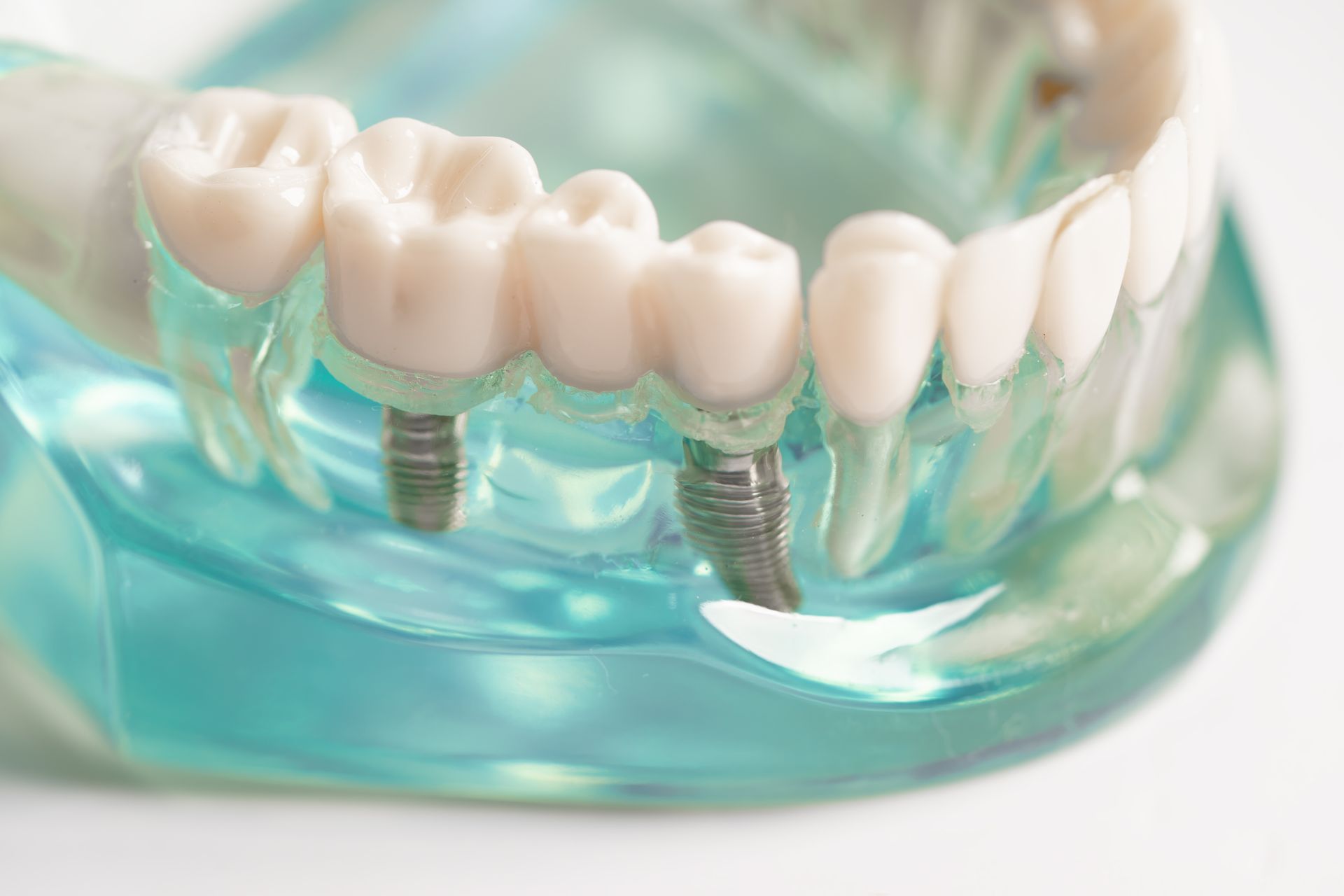
All-on-6 is a way to replace every tooth in an arch, top or bottom, with a single fixed bridge anchored on six dental implants. The teeth do not come out. You care for them in your mouth, not in a cup by the sink.
How All-on-6 Works
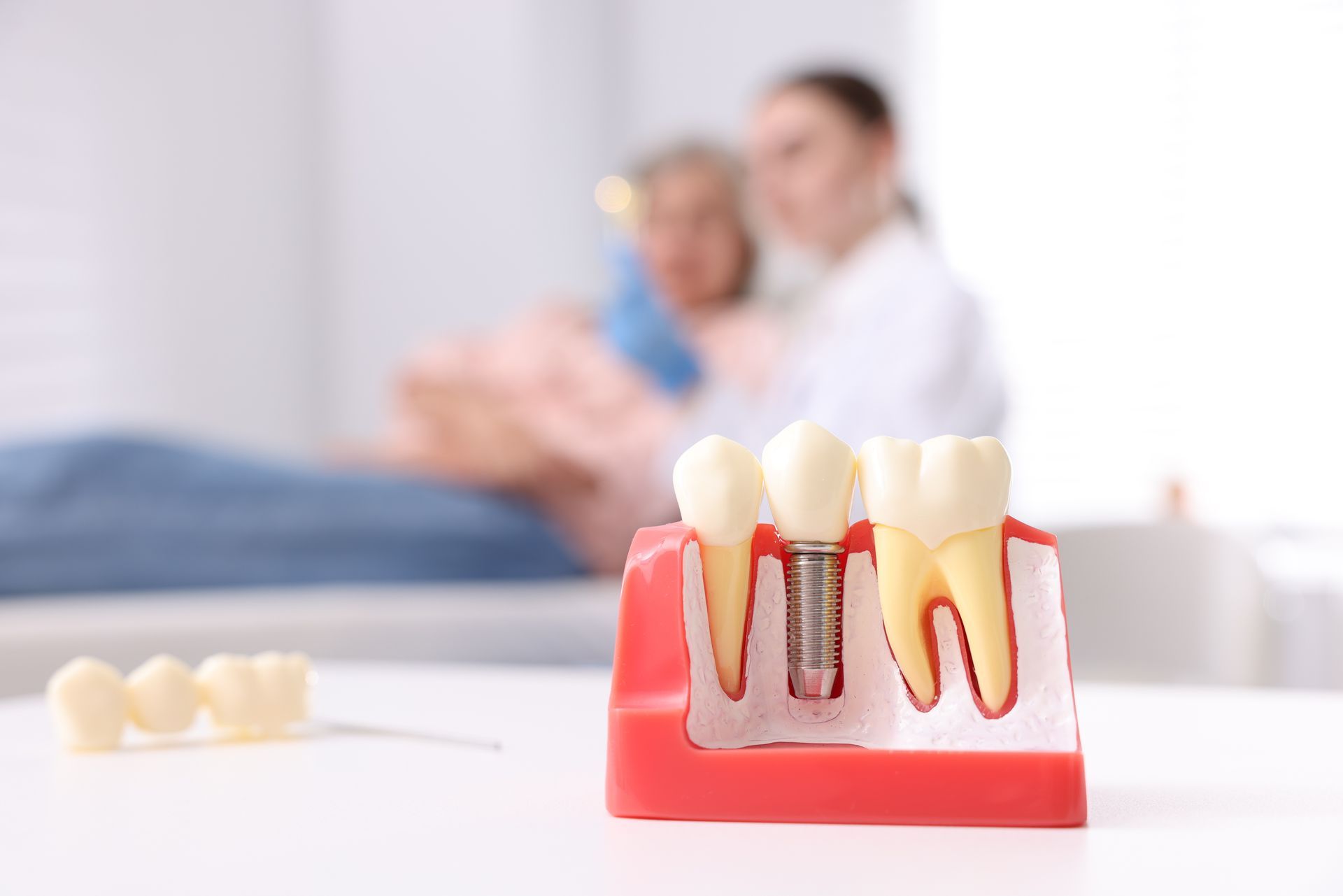
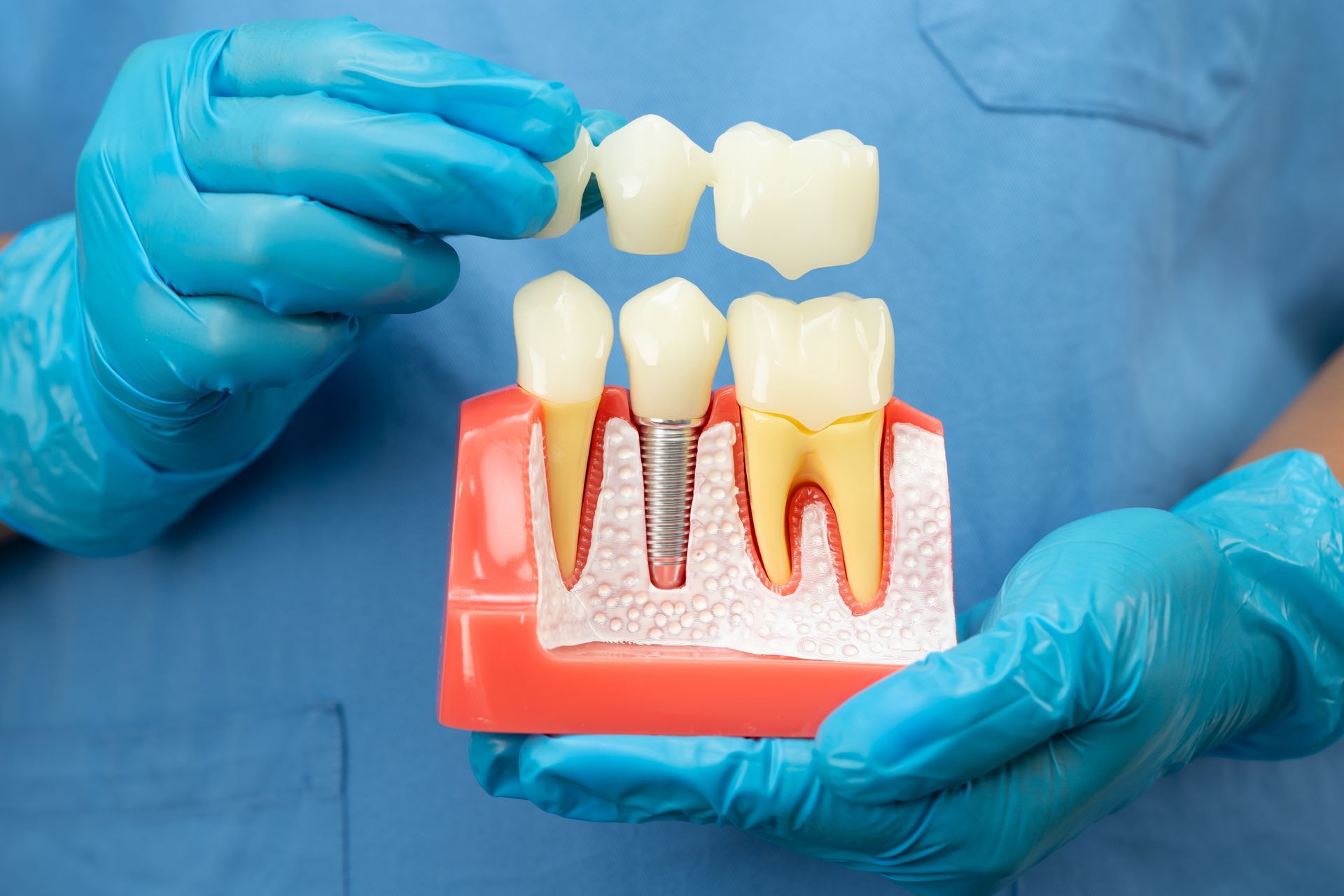
Six titanium posts are placed into the jawbone and positioned to make the most of the bone you have. Over the following months they fuse with the bone, forming anchors strong enough to carry a full arch of teeth. A custom bridge is then secured onto those anchors. The result sits above the gum like natural teeth and, unlike a full upper denture, leaves the roof of your mouth open, which is a bigger deal than most people expect until they experience it. You can see how it fits with our other full-arch options on our
All-on-6 page.
The Benefits
Six implants do more than hold teeth in place. They change how a full-arch restoration feels day to day and how well it holds up over the years.
- A bite you can trust, so you can eat without the slipping or clicking that comes with removable dentures.
- Jawbone preservation, because the implants stimulate the bone the way natural roots did, slowing the bone loss that hollows the face after tooth loss.
- No palate coverage, since the arch is anchored on implants rather than suctioned to the roof of your mouth, which keeps your sense of taste and temperature intact.
- Load sharing and a safety margin, as six implants spread the force of chewing and leave room to spare if one implant ever needs attention.
- A long-term result, built to serve for decades rather than replaced every several years like a denture.
The Everyday Difference
The clinical benefits matter, but patients tend to talk about something simpler. They mention biting into an apple again, or getting through dinner with friends without a thought about their teeth. Fixed teeth do not need adhesive, do not get taken out at night, and do not cover the palate, so eating tastes like eating and speaking feels normal. For someone who has spent years managing loose dentures, that shift back to ordinary life is often the part that matters most.
How Much It Costs
All-on-6 is a major investment, and the price swings more than most people expect, mostly because of the teeth on top rather than the implants underneath.
Typical Price Ranges
Across the United States, All-on-6 generally lands in the range of 24,000 to 31,000 dollars per arch. Premium materials push it higher, into the 30,000 to 40,000 dollar range and sometimes beyond, and prices in higher-cost regions, including much of Florida, tend to sit toward the upper end. Restoring both arches roughly doubles the figure. Treat any number as a starting point until an exam and scan pin down your case, and see our full mouth dental implants cost guide for a fuller breakdown.
Why the Material You Choose Changes the Price
Here is the part few patients hear upfront. Adding two more implants than All-on-4 barely moves the surgical cost; what moves the price is the material of the final teeth. An acrylic arch is the most affordable option, often around 25,000 dollars, but it wears faster and, frankly, is a poor choice for anyone who grinds or clenches, because a heavy bite will break it repeatedly. A titanium bar with individual ceramic crowns, or a solid zirconia arch, costs more, often around 30,000 dollars or higher, and holds up far better under real chewing forces. For a grinder, spending less on acrylic usually costs more in the long run.
Insurance and All-on-6
Do not count on insurance for much of this. Even good dental plans typically cap out around 1,500 to 2,000 dollars a year, so the bulk of All-on-6 is out of pocket. That said, related steps such as extractions, imaging, or the implant placement itself may receive partial coverage, so it is worth having your plan checked rather than assuming nothing applies.
Does It Require Bone Grafting?
Often, no, and this is one of All-on-6's quiet advantages. The six implants are placed strategically to engage the bone you still have, which means many people with some bone loss qualify without the extensive grafting that individual implants might demand in the same mouth.
There is a limit, of course. If bone volume is severely reduced, a graft or a different approach may be needed first to create a stable foundation, and in the upper jaw a sinus lift is sometimes part of the plan. The only way to know is a 3D scan, which shows exactly how much bone you have and where. Our
bone graft for implants page explains what that step involves when it is needed.
Who Is a Good Candidate?
All-on-6 is built for extensive tooth loss, not a single gap. The strongest candidates share a few things in common, and there are also situations where it makes sense to address something else first.
Who All-on-6 Is Right For
- Adults missing most or all teeth in an arch, or whose remaining teeth cannot be reliably saved.
- Long-time denture wearers who are done with slipping, sore spots, and diet limits and want a fixed set of teeth.
- People with enough healthy jawbone, or enough that strategic placement or a graft can make it work.
- Those in reasonably good general health, since healing well is part of a successful result.
Who May Need to Wait or Consider Alternatives
- Anyone with untreated gum disease or active infection, which should be resolved before implants go in.
- People with uncontrolled diabetes or other unmanaged health conditions that slow healing.
- Heavy smokers, who face higher implant failure rates until the habit is addressed.
- Severe bone loss cases, which may need grafting first or a different full-arch plan.
Age, notably, is rarely the deciding factor on its own. A healthy person in their seventies or eighties can be an excellent candidate, while a much younger person with unmanaged health issues may need to wait. It comes down to your mouth and your health, which is what the consultation and scan sort out.
All-on-4 vs All-on-6
This is the comparison almost every patient wants, and the useful answer goes deeper than a blanket rule. Both replace a full arch with fixed teeth. The difference is what those two extra implants buy you.
The Redundancy Factor
With four implants, all four are carrying the arch, so if one runs into trouble you can be in a difficult spot fast. With six, the load is shared and there is a margin of safety; losing one implant out of six is far less likely to compromise the whole restoration. For some patients that redundancy alone justifies the extra two implants, especially when the goal is a set of teeth they never have to worry about.
Upper Jaw vs Lower Jaw
Bone quality also steers the decision. The upper jaw tends to have softer, weaker bone than the lower, and implants fail more often up top, so many clinicians lean toward six implants for an upper arch to add support and that safety margin. A dense lower jaw may do beautifully on four. This is exactly why the choice should come from your CT scan rather than a preference, since your anatomy, not a general rule, decides which approach distributes force best.
| Option | Implants per Arch | Best Suited For |
|---|---|---|
| All-on-4 | Four | Adequate, dense bone; less invasive; lower cost |
| All-on-6 | Six | Softer or upper-jaw bone, heavy bite, added redundancy |
| 3-on-6 | Six, in three sections | Full arch with segmented, easier-to-service teeth |
Procedure and Recovery
Knowing how the treatment unfolds takes a lot of the anxiety out of it.
The Day of Surgery
Treatment begins with a consultation and 3D imaging that map your bone and plan every implant position before you ever sit in the chair. On surgery day, any remaining failing teeth are removed and the six implants are placed, usually under sedation, so most patients are comfortable throughout. In many cases a temporary fixed set of teeth goes on the same day, so you leave with a smile rather than an empty arch.
Healing and Aftercare
Over the next several months the implants fuse with the bone while you wear the temporary teeth, and once that bond is solid, your final arch is made and secured. Some swelling and soreness in the first days is normal and managed with medication, and you will follow a soft-food diet for a stretch before easing back to normal eating. After that, upkeep is genuinely simple: brush the arch daily, clean underneath it, often with a water flosser, and keep your checkups so we can monitor the implants and gums.
How Long It Lasts
The implants themselves are designed to last decades, and often a lifetime, once they have integrated with the bone. The fixed arch of teeth on top is durable too, though the material sets the expectation. A well-made zirconia or titanium-and-ceramic arch holds up for many years of normal use, while acrylic wears faster and may need refreshing sooner, especially under a heavy bite.
What actually determines lifespan is care and biology working together. Daily cleaning keeps the gums around the implants healthy, regular visits catch small issues early, and managing habits like grinding protects the teeth on top. Do those things and All-on-6 is one of the most durable ways to replace a full arch that dentistry offers.
Restore Your Full Smile in Tampa
All-on-6 can give you back a stable, natural-feeling smile and the freedom to eat and speak without a second thought. The first real step is finding out whether it fits your jaw, and that starts with a scan and a candid conversation about your options and your budget.
Call Tampa Dental Implants at (813) 212-2628 or
contact us to book your free consultation with Dr. Osman, including a panoramic X-ray and personalized treatment plan.
Frequently Asked Questions
Is All-on-6 better than dentures?
For most people who can have it, yes. All-on-6 stays fixed rather than being removed at night, does not slip while eating or speaking, and leaves the roof of your mouth uncovered so food still tastes right. It also preserves the jawbone through the implants, which dentures cannot do. Dentures remain a lower-cost option, but they do not come close to the stability and bone protection of a fixed, implant-supported arch.
How much does All-on-6 cost per arch?
Nationally, All-on-6 usually runs about 24,000 to 31,000 dollars per arch, rising into the 30,000 to 40,000 dollar range with premium materials like zirconia or a titanium-ceramic arch, and prices in Florida tend toward the higher end. The material of the final teeth drives the price far more than the two extra implants do. Insurance rarely covers much because annual maximums are low, though related steps may receive partial coverage.
Does All-on-6 hurt?
The procedure itself is done under sedation, so patients are comfortable during placement. Afterward, expect some swelling and soreness for the first few days, which is well controlled with prescribed or over-the-counter medication and eases steadily. Most people describe the recovery as far more manageable than they feared, particularly compared with the daily discomfort of the failing teeth or loose dentures they are replacing.
Is All-on-6 better than All-on-4?
Neither wins for everyone; your anatomy decides. All-on-6 spreads bite force more evenly, adds stability for heavy chewing, and gives a safety margin if one implant has an issue, which makes it a common choice for the softer upper jaw. All-on-4 can be less invasive and less expensive when four implants provide solid support in dense bone. A CT scan is what determines the right approach for your case.
How long do All-on-6 implants last?
The implants are designed to last decades and frequently a lifetime once integrated with the bone. The arch of teeth on top is durable but material-dependent, with zirconia and titanium-ceramic lasting many years and acrylic wearing sooner. Daily cleaning, regular checkups, and managing habits like grinding are what carry an All-on-6 restoration to the top of its lifespan.
Share This Blog