Single Tooth Dental Implants in Tampa: Permanent Tooth Replacement

A single tooth implant in Tampa generally runs $3,000 to $5,000 for the finished tooth, meaning the implant post, the abutment, and the crown together. The treatment takes three to six months from placement to final crown in most cases, because the bone needs that time to fuse to the implant. You are not without a tooth during that window.
Tampa Dental Implants is an implant-focused practice led by Dr. Keenan Osman, working out of 2425 Brunello Trace in Lutz and treating patients from across the Tampa area. Implants are what we do all day, from single teeth to zygomatic cases, and the information below is what we tell patients in consultation rather than a sales pitch.
Call
(813) 212-2628 or
contact us to schedule.
What a single tooth implant costs here
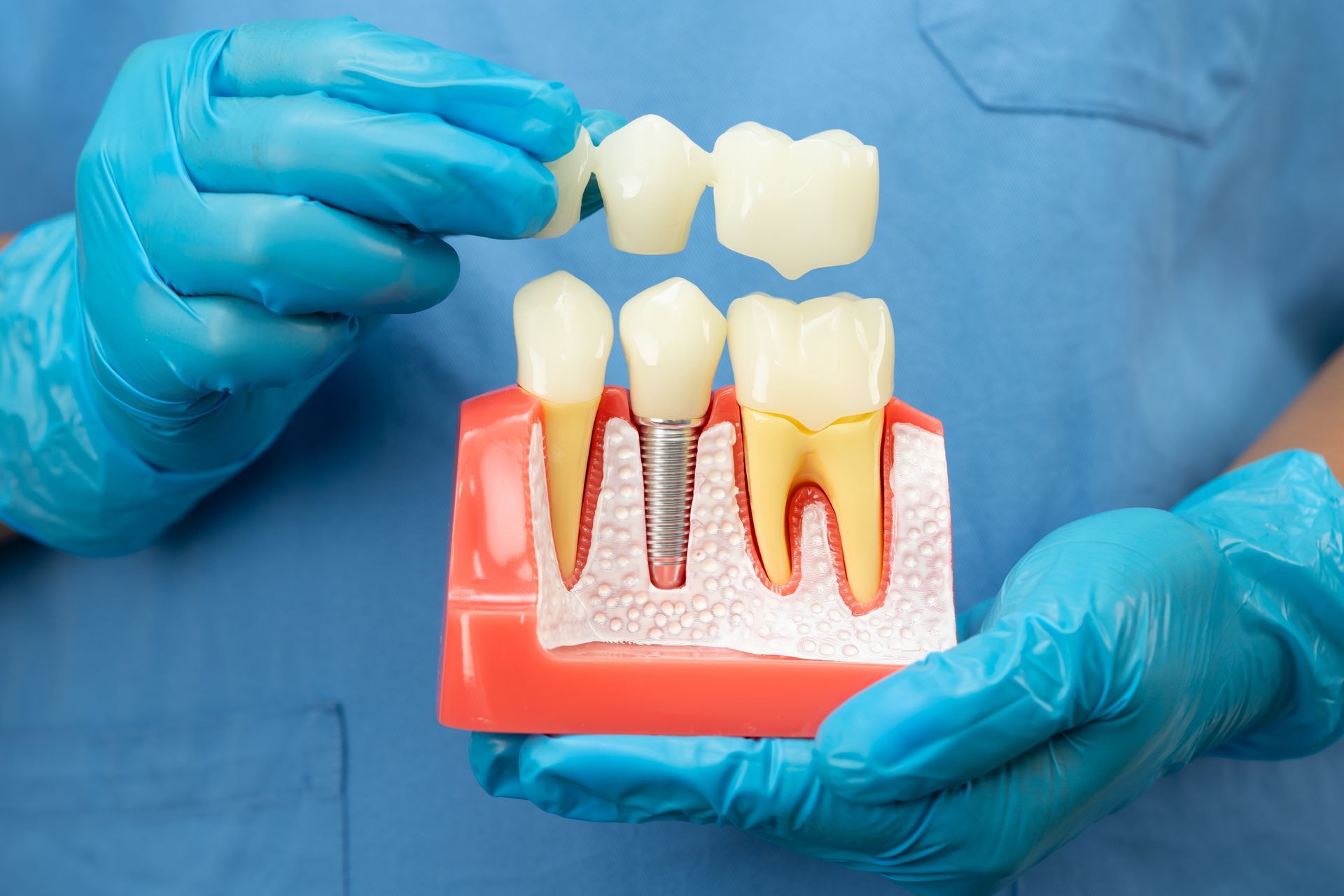
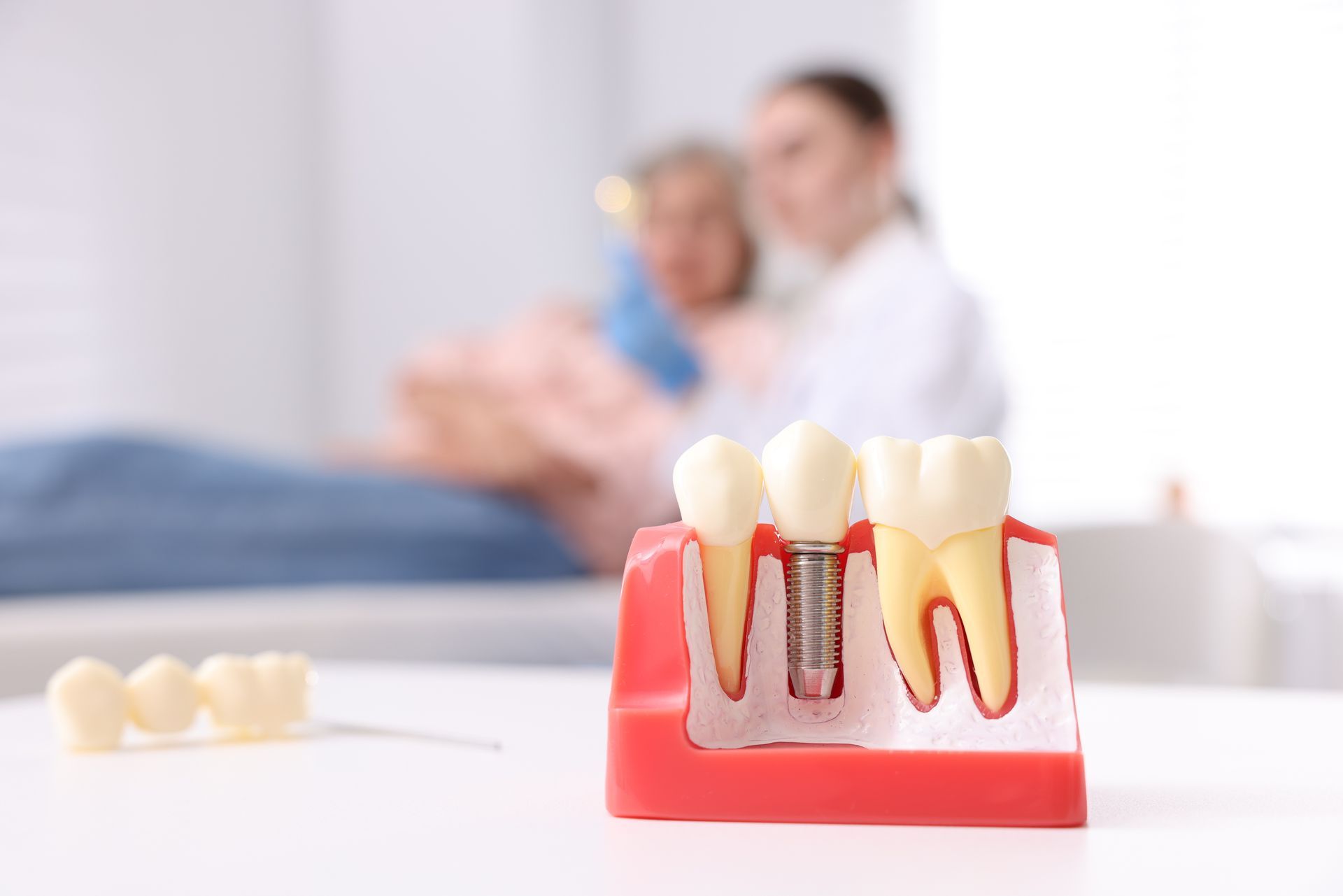
A single tooth implant is three separate components, and a complete quote includes all three. Understanding the parts is what lets you compare two estimates properly.
| Component | What it is | Typical Tampa range |
|---|---|---|
| Implant post | The titanium screw placed in the jawbone, which replaces the root | $1,500 to $3,000 |
| Abutment | The connector between the post and the crown | $300 to $700 |
| Crown | The visible tooth, custom made to match your others | $1,000 to $2,500 |
| Complete single tooth | All three, finished and functioning | $3,000 to $5,000 |
Additional procedures are priced separately because not everyone needs them. A
bone graft is common when a tooth has been missing long enough for the ridge to narrow, and a
sinus lift may be needed for upper back teeth where the sinus floor sits low. Extraction of a failing tooth, if it is still in place, is also its own line item.
Why quotes differ so much
If you have collected estimates, you have probably seen numbers that do not seem to describe the same treatment. There are three reasons.
Advertised prices are usually the post alone. A special advertised in the $1,700 to $1,900 range is almost always the fixture only, with the abutment and crown quoted afterward. That is not necessarily deceptive, but it is not the price of a finished tooth.
Site preparation is not included in a base quote. Grafting, extraction, and sinus work change the total, and none of them can be confirmed without imaging.
Crown material and workflow differ. A custom crown designed on a digital scan is a different product from a stock-style restoration, and the difference shows up at the gumline over the following years.
The practical protection is to ask any office for an itemized written plan listing the post, the abutment, the crown, imaging, and any preparatory procedures. Our full breakdown of
what a single tooth implant costs goes deeper, and
cost of dental implants covers the other treatment types.
The process, step by step
- Consultation and imaging. We take a panoramic X-ray or 3D scan to measure bone volume and locate the nerve and sinus. This is what determines whether you need grafting before anything else.
- Extraction, if the tooth is still there. In selected cases we place the implant at the same appointment. In others, the site heals first.
- Implant placement. A minor surgical procedure done under local anesthesia, typically about an hour for a single site. Most patients are surprised by how ordinary it is.
- Osseointegration. The bone grows onto the titanium surface over roughly three to six months. This is the part that cannot be rushed, and it is what separates an implant that lasts decades from one that loosens early.
- Abutment and impression. Once integration is confirmed, we attach the abutment and take a scan or impression for the crown.
- Crown placement. The final crown is seated and the bite is adjusted. From there it is a tooth you brush and floss.
How long it takes
Three to six months is the usual span from placement to final crown. Straightforward cases in dense lower jawbone finish faster. Upper back teeth, grafted sites, and cases involving extraction take longer.
A question patients ask more often than the timeline: what do I look like in the meantime? For a front tooth, a temporary is standard, whether a dental flipper or another provisional. You will not be walking around with a visible gap for six months.
For patients who want a faster path,
same-day dental implants place a temporary crown at the time of surgery in qualifying cases. The bone still integrates on its own schedule; what changes is what you leave with. We explain the tradeoffs in
same-day implants versus traditional.
Implant, bridge, flipper, or nothing
An implant is not the only way to fill a single gap, and it is worth knowing why we usually recommend it.
A traditional bridge requires filing down the healthy teeth on either side so they can carry crowns. Those teeth are permanently altered and will need crowns from that point forward. A bridge costs less upfront and usually needs replacing every 10 to 15 years.
A removable partial or flipper is the least expensive and the least stable. It is a reasonable temporary and a frustrating permanent solution for most people. Our comparison of a dental flipper versus an implant covers when each makes sense.
Doing nothing has a cost that shows up later. The teeth beside the gap tilt into it, the opposing tooth erupts further looking for contact, and the bone under the gap resorbs because nothing is stimulating it. A site that would take a routine implant this year can need grafting in a few years. That is also the answer to a question we get constantly, covered in
can you replace a tooth after extraction.
What the crown is made of, and why it matters
The crown is the part you see and the part that determines how the result looks at the gumline five years from now. Three variables come up in planning:
- Material. Zirconia is strong and the usual choice for back teeth under heavy bite force. Layered porcelain can look more lifelike on a front tooth, at some cost in strength. The right answer depends on which tooth and how you chew.
- Screw-retained or cement-retained. A screw-retained crown can be removed cleanly if it ever needs service, which is a real advantage over years. A cemented crown can look better in certain front-tooth positions. Excess cement left below the gumline is a known cause of inflammation, which is one reason we favor screw retention where the angle allows it.
- Emergence profile. How the crown comes out of the gum decides whether it reads as a tooth or as a restoration. This is shaped during healing, not at the last appointment, and it is the difference you notice in photographs.
More on this in our overview of
implant crowns.
Who is a candidate
Most adults are. What we evaluate:
- Bone volume at the site. Enough height and width to hold the implant, or a plan to build it with a graft.
- Gum health. Active periodontal disease gets treated first, because the same bacteria threaten an implant.
- Medical history. Controlled diabetes is workable, poorly controlled diabetes affects healing. Antiresorptive medications for osteoporosis need to be discussed before surgery.
- Smoking. It raises failure risk meaningfully. We cover the specifics in the risks of light smoking after dental implants.
- Grinding. Bruxism loads an implant hard, and implants lack the ligament that cushions a natural tooth. A night guard becomes part of the plan.
- Age. There is no upper limit. There is a lower one, since the jaw needs to be finished growing. See is it too late to get dental implants.
What recovery is actually like
Most patients describe placement as easier than the extraction that preceded it. Expect some swelling and soreness for two to three days, managed with over-the-counter pain relief in most cases, and soft foods for the first several days.
You can usually return to work the next day for a single implant. Strenuous exercise waits a few days. Smoking during healing is the single behavior most likely to cost you the implant.
The longer-term picture is straightforward: brush and floss it like a tooth, keep your cleaning schedule, and have it checked. Implants do not decay, but the gum and bone around them can become inflamed, which is the main cause of late failure. Our
complete guide to dental implant maintenance covers the routine, and
how long a dental implant lasts
sets realistic expectations.
Schedule a consultation
We offer a free consultation package that includes the exam, panoramic X-rays, and a written treatment plan with Dr. Osman, so you can see whether you qualify and what your case would actually involve before committing to anything.
Call
(813) 212-2628 or
request an appointment. You can
see our work, read
patient reviews, or look through
15 questions to ask your dental implant dentist before you visit anyone, including us.
Single tooth implant FAQs
How much is one dental implant in Tampa?
Roughly $3,000 to $5,000 for the finished tooth, including post, abutment, and crown. Lower advertised numbers almost always refer to the implant post alone, and bone grafting or extraction is priced separately.
Does insurance cover a single tooth implant?
Coverage varies widely. Many plans now cover a portion at major-restorative levels, and most have an annual maximum that will not absorb the full treatment in one year. Since implant treatment already spans months, splitting it across two benefit years is often possible.
Is getting an implant painful?
The procedure is done with local anesthesia and most patients report the recovery is milder than an extraction. Soreness for a few days is normal and usually managed with over-the-counter medication.
Can I get an implant if my tooth was removed years ago?
Often, yes, though the bone at the site has likely narrowed in the years since. That is what grafting addresses, and imaging at the consultation tells us exactly what your site needs.
How long does a single tooth implant last?
The implant post commonly lasts decades and can last a lifetime with healthy bone and good hygiene. The crown on top is the shorter-lived part and may need replacement at some point, which is normal rather than a failure.
Share This Blog