
Do You Need a Bone Graft for Dental Implants?

You may need a bone graft for dental implants if you do not have enough healthy jawbone to support the implant, which is common after tooth loss, gum disease, or long-term denture wear. A bone graft rebuilds the bone so an implant has a stable foundation. Not everyone needs one, though, and the only way to know for sure is an evaluation with 3D imaging. When a graft is needed, it is a routine, well-established procedure, and in some cases there are alternatives that avoid it entirely.
At our Tampa, FL implant practice, we evaluate bone, perform grafting when it is needed, and place implants for patients across the area. Below we explain why bone matters for implants, when a graft is required, the types of grafts, what the process involves, and the alternatives.
Start with why bone matters, then see whether you are likely to need a graft.
In This Guide
- Why bone matters for implants: The foundation an implant needs.
- Do you actually need a bone graft?: When it is and is not required.
- Why bone loss happens: The common causes.
- Types of bone grafts: The main options.
- Bone graft types at a glance: Source and notes side by side.
- What the bone graft process involves: Step by step.
- Alternatives to bone grafting: When a graft can be avoided.
- Frequently asked questions: Quick answers to common questions.
Why Bone Matters for Implants
To understand bone grafting, it helps to understand why implants depend on bone in the first place. It is the whole foundation of how an implant works, quite literally.
Implants Fuse With Bone
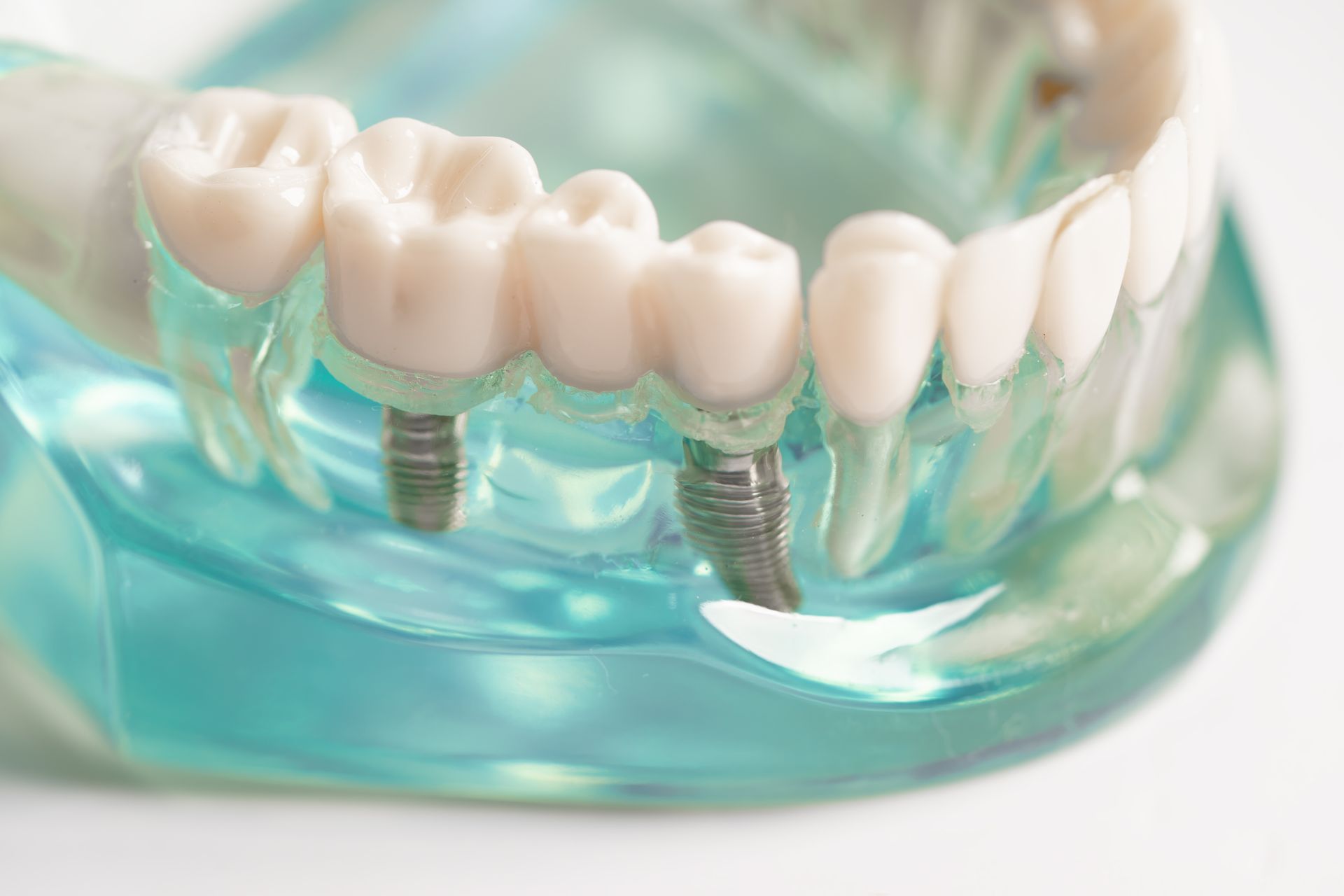
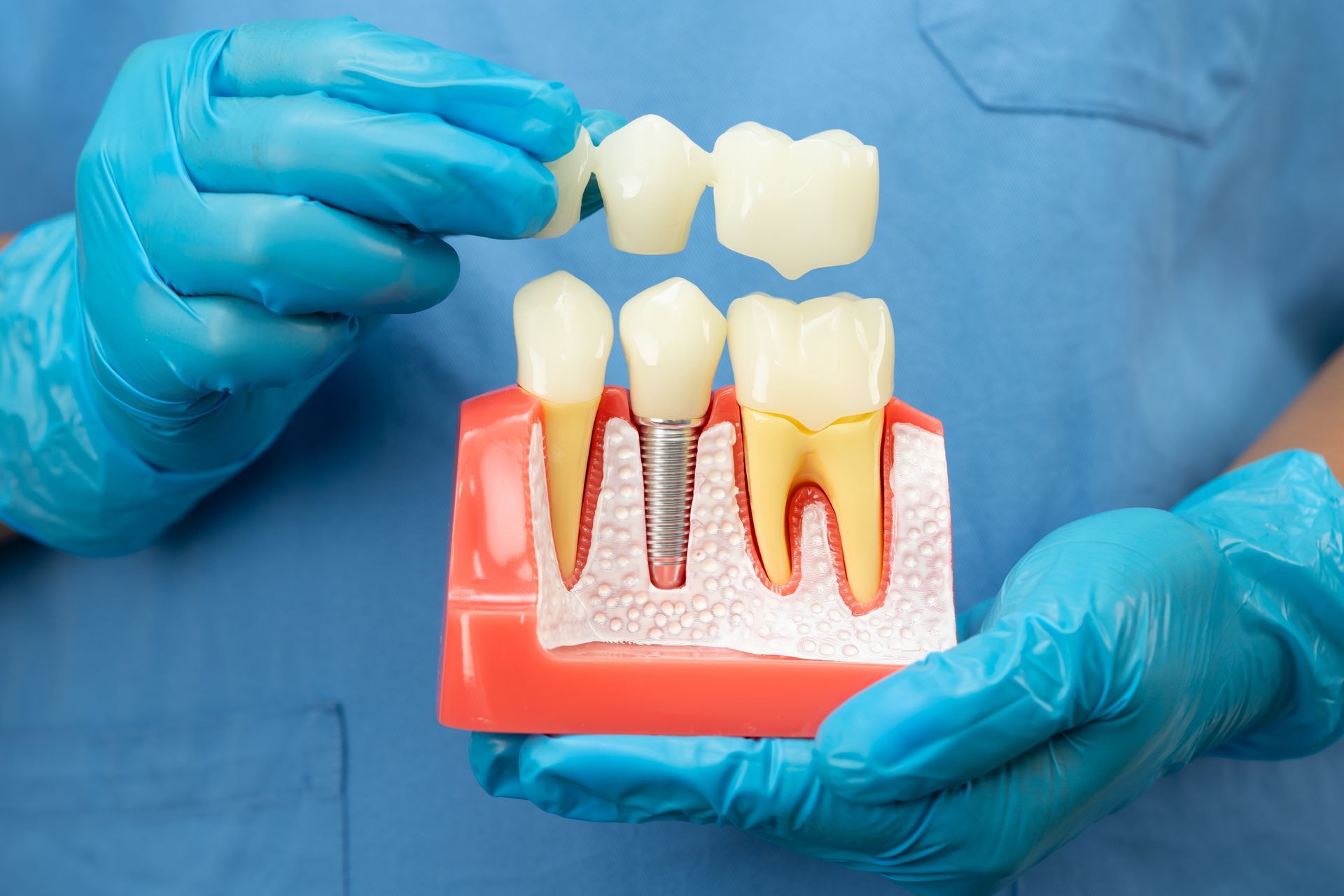
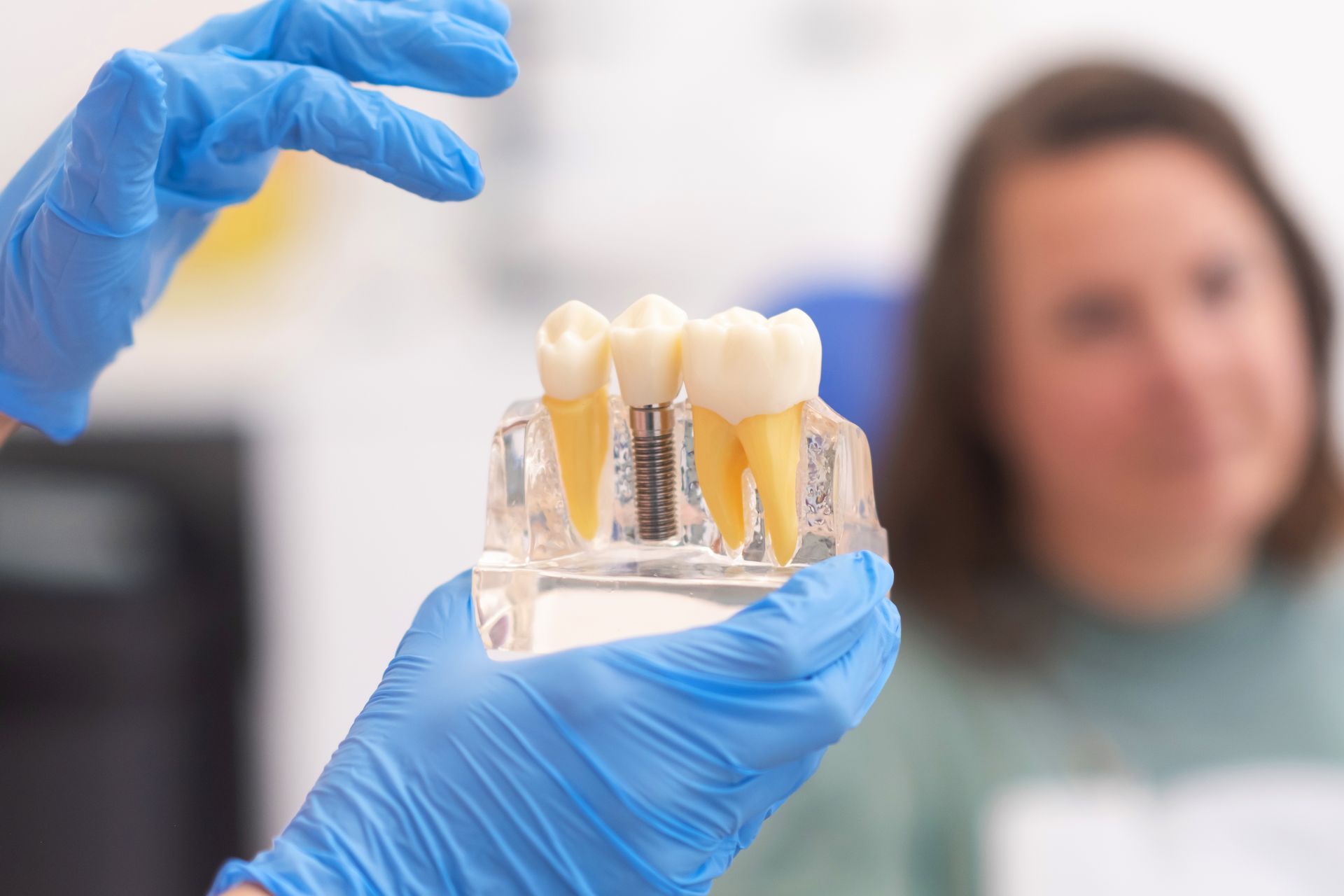
A dental implant is a small titanium post placed into the jawbone, where it fuses with the bone in a process called osseointegration. That fusion is what gives an implant the strength and stability of a natural tooth root.
For this to work, there must be enough healthy bone in both height and width to hold the implant securely. Without a solid foundation, the implant cannot integrate properly or support the forces of chewing.
Think of it like a fence post set in the ground. A post needs enough firm soil around it to stay upright and steady, and an implant is no different: it needs enough surrounding bone in every direction to lock in and handle years of daily use.
When Bone Is Lacking
If the jawbone has shrunk or is too thin, there may not be enough to anchor an implant. This is where bone grafting comes in, rebuilding the bone so it can support an implant successfully.
A graft essentially restores the foundation. Once the grafted area heals and new bone forms, the site can hold an implant just as well as naturally dense bone would.
This is worth emphasizing, because some people assume that low bone rules out implants entirely. It usually does not. Grafting has made implants possible for many patients who were once told they were not candidates, which is one of the reasons it has become such a routine part of implant dentistry.
Do You Actually Need a Bone Graft?
Not everyone needs a bone graft, and it is a common misconception that implants always require one. Whether you do comes down to how much healthy bone you have and where it is located.
It Depends on Your Bone
Many people have enough bone and can get implants without any grafting at all. Others, particularly those who lost teeth years ago or have worn dentures for a long time, may need grafting to rebuild what has been lost.
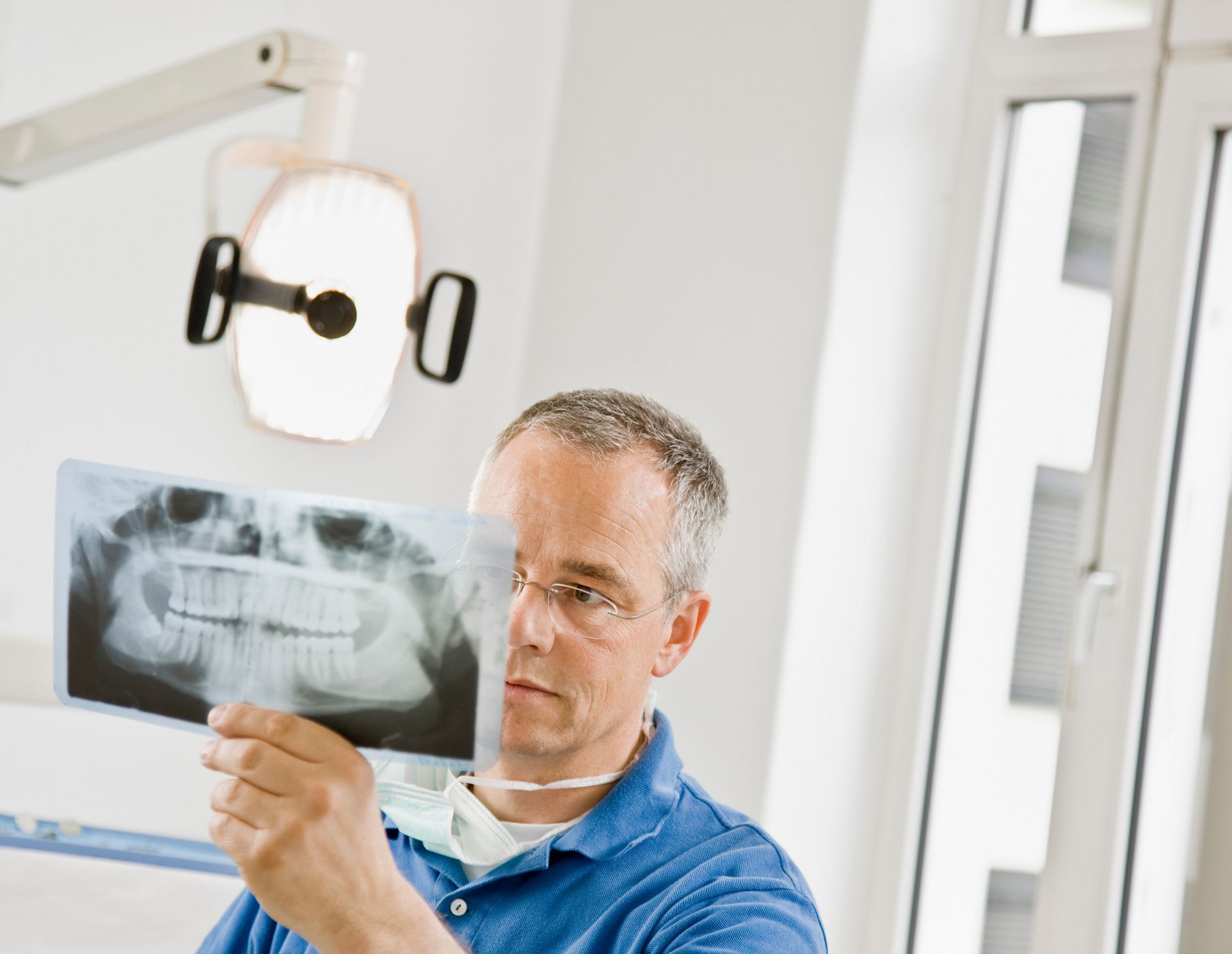
The only way to know is a professional evaluation. A 3D scan shows the exact height, width, and density of your jawbone, which tells the dentist whether a graft is needed and, if so, how much.
This is why you should be cautious of any answer given before an evaluation. Two people who both lost a molar can have very different bone situations depending on when they lost the tooth and their gum health, so a graft is never a foregone conclusion until the scan is done.
Why Timing Matters
Bone loss begins soon after a tooth is lost and continues over time, so the longer a tooth has been missing, the more likely grafting will be needed. Acting sooner can sometimes avoid a graft altogether.
This is one reason replacing a tooth promptly is beneficial, a topic we cover in our guide on replacing a tooth after extraction. Preserving bone early is easier than rebuilding it later.
In some cases, a small graft placed right at the time of extraction, called socket preservation, can keep the bone from collapsing in the first place. If you know you will want an implant later, mentioning that before an extraction lets your dentist plan ahead and may spare you a larger graft down the road.
Why Bone Loss Happens
Understanding what causes bone loss helps explain why some people need grafting and others do not. A few factors are behind most cases, and they often overlap.
Tooth Loss and Time
The most common cause is tooth loss itself. When a tooth is gone, the jawbone that supported it no longer gets stimulated by chewing, so it gradually resorbs, or shrinks away.
This process is fastest in the first year after losing a tooth and continues over the years. It is why someone who lost a tooth a decade ago is more likely to need grafting than someone who lost one recently.
The jawbone works on a use-it-or-lose-it principle. The roots of natural teeth transmit the pressure of chewing into the bone, which signals the body to keep it dense and healthy. Remove that stimulation, and the body slowly reclaims the bone it no longer sees a use for.
Other Contributing Factors
Several other situations lead to bone loss that may call for grafting before implants can be placed successfully.
- Gum disease, which destroys the bone that supports the teeth.
- Long-term denture wear, since traditional dentures do not stimulate the bone.
- Injury or infection that has damaged the bone in the area.
- Natural anatomy, where some people simply have less bone in certain areas.
Types of Bone Grafts
If you do need a graft, there are several types of grafting material to choose from. The right choice depends on your situation, and your dentist will recommend the best option for you.
Common Grafting Materials
Bone grafts use material from a few different sources, all of which are safe and well established in dentistry. They act as a scaffold that your body replaces with its own new bone over time.
- Autograft: bone taken from your own body, often considered the gold standard.
- Allograft: processed, sterilized bone from a human donor source.
- Xenograft: bone from an animal source, commonly bovine.
- Synthetic: lab-made materials that mimic natural bone.
How the Type Is Chosen
The choice depends on how much bone is needed, the location, and your preferences. Many implant cases use processed donor or synthetic materials, which avoid a second surgical site and work very well.
All of these materials are carefully screened and processed for safety, and donor and animal-based grafts do not remain in your body as foreign material. Instead, they are gradually resorbed and replaced by your own bone, so the finished result is your natural bone regardless of which starting material was used.
Your dentist will explain which material suits your case and why. In all cases, the graft serves as a framework that your own bone grows into, eventually becoming a stable foundation for the implant.
Bone Graft Types at a Glance
This table sums up the main grafting materials and where each comes from.
| Graft Type | Source | Note |
|---|---|---|
| Autograft | Your own body | Often the gold standard |
| Allograft | Human donor, processed | No second surgical site |
| Xenograft | Animal source, usually bovine | Well established, safe |
| Synthetic | Lab-made material | Mimics natural bone |
Whichever type is used, the goal is the same: a scaffold that your body gradually replaces with its own new bone, creating a solid base for the implant.
What the Bone Graft Process Involves
Knowing what to expect makes the idea of a graft far less daunting. For most implant patients, it is a routine, manageable step rather than a major ordeal.
The Procedure and Healing
A bone graft is typically a minor procedure done under local anesthesia. The dentist places the grafting material where bone is needed, and over the following months your body forms new bone around and through it.
Healing time varies, often several months, before the site is ready for an implant. In some cases, a smaller graft can be done at the same time as implant placement, which your dentist will determine.
The timeline sounds long, but most of it is passive waiting while your body does the work of forming new bone. There is no ongoing discomfort during that period; it is simply time for the grafted area to mature into strong, implant-ready bone.
What Recovery Is Like
Recovery from a bone graft is usually straightforward, with mild soreness or swelling for a few days that is managed with standard care. Most people return to normal activities quickly.
The longer part is simply waiting for the new bone to mature enough to support an implant. That patience pays off, since a well-healed graft gives the implant the solid foundation it needs to last.
Your dentist will give you simple aftercare instructions, usually soft foods for a short period and avoiding disturbing the site while it heals. Following them is straightforward, and the vast majority of patients get through graft recovery without any trouble at all.
Alternatives to Bone Grafting
A graft is not the only path when bone is limited. Depending on your situation, there may be options that reduce or avoid grafting altogether.
Implants That Use Available Bone
Some implant approaches are designed to make the most of the bone you already have. Certain full-arch techniques angle implants to use denser available bone, sometimes avoiding the need for grafting.
For patients with significant upper-jaw bone loss, zygomatic implants anchor into the cheekbone instead of the upper jaw, avoiding a graft. Our comparison of zygomatic implants versus bone grafts covers when this option makes sense.
Angled implant techniques used in some full-arch cases are another example. By tilting implants to engage the densest available bone, they can often support a full set of teeth without grafting, which can also shorten the overall treatment time compared with grafting and waiting to heal.
Deciding on the Right Path
Whether a graft, an alternative technique, or straightforward implant placement is right for you depends entirely on your bone and goals. Only an evaluation can determine that.
For those exploring full-arch options, our guide on All-on-4 candidacy and expectations is a useful next read. The right plan balances a strong foundation with the least treatment necessary.
A good implant provider will always aim for the simplest path that gives a lasting result. Sometimes that means a graft, sometimes an alternative technique, and sometimes no extra step at all, but the recommendation should always be driven by your scan and your goals rather than a one-size-fits-all approach.
Finding Out If You Need a Bone Graft
Whether you need a bone graft for dental implants comes down to how much healthy jawbone you have, which depends largely on how long teeth have been missing and your gum health. Many people need no graft at all, others benefit from a routine grafting procedure, and some qualify for alternatives that avoid it entirely. Only a 3D evaluation can tell you which applies to you.
At our Tampa implant practice, we evaluate your bone precisely and recommend the least treatment needed to give your implant a strong, lasting foundation. If you are considering implants and wondering about bone grafting, reach out to our team. We will assess your bone and lay out your options clearly. For a sense of the overall investment, our
dental implant cost guide is a helpful starting point.
Frequently Asked Questions
Do all dental implants require a bone graft?
No. Many people have enough healthy jawbone to receive implants without any grafting at all. Grafting is needed only when there is not enough bone to support the implant, which is more common after long-term tooth loss, gum disease, or denture wear. A 3D scan is the only way to know for sure whether you need one.
Is a bone graft for dental implants painful?
A bone graft is typically a minor procedure done under local anesthesia, so you should not feel pain during it. Afterward, mild soreness or swelling for a few days is normal and managed with standard care. Most people find recovery more comfortable than they expected.
How long does a bone graft take to heal before implants?
Healing usually takes several months before the grafted site is strong enough for an implant, though the exact time depends on the graft size and your healing. In some cases a small graft can be done at the same time as implant placement, shortening the overall timeline.
Can I avoid a bone graft for implants?
Sometimes. Replacing a tooth promptly helps preserve bone and can avoid the need for a graft. When bone loss is already significant, alternatives like angled full-arch implants or zygomatic implants can sometimes avoid grafting. An evaluation determines whether an alternative fits your case.
What happens if I do not have enough bone for an implant?
If you lack sufficient bone, a bone graft can rebuild the foundation so an implant can be placed once it heals. Alternatively, techniques like zygomatic implants may anchor into other bone entirely. Your dentist will use a 3D scan to recommend the best path for your situation.
Share This Blog