
Common Dental Implant Problems and How to Avoid Them

Dental implants have a high success rate, but like any procedure they can occasionally run into problems, including infection around the implant, loosening, nerve or sinus issues, and mechanical failures like a loose crown or abutment. The good news is that most of these problems are preventable or treatable when caught early, and they are far less likely with proper placement, good oral hygiene, and regular checkups. Knowing what can go wrong and why is the first step to protecting your investment.
At our Tampa, FL implant practice, we place and restore dental implants and help patients keep them healthy for the long term. Below we walk through the most common implant problems, what causes them, and the practical steps that keep them from happening in the first place.
Start with the overview, then see each problem and how to prevent it.
In This Guide
- How common are implant problems?: Setting expectations.
- Implant problems at a glance: Problem, cause, and prevention.
- Infection and gum problems: Peri-implantitis and more.
- Loosening and failure to integrate: When an implant does not hold.
- Nerve, sinus, and positioning issues: Placement-related problems.
- Mechanical and restoration problems: Crowns, abutments, and screws.
- How to avoid implant problems: Prevention that works.
- Frequently asked questions: Quick answers to common questions.

How Common Are Implant Problems?
Before worrying about what can go wrong, it helps to put the risk in perspective. Dental implants are one of the most reliable procedures in dentistry.
A High Success Rate
Dental implants succeed in the large majority of cases, and most people never experience a serious problem. When issues do arise, they are often minor and treatable if addressed promptly.
That track record is exactly why implants are considered the gold standard for replacing missing teeth. Understanding the possible problems is about prevention and early action, not a reason to avoid implants.
It also helps to know that the rare problems that do occur are usually gradual rather than sudden. That means there is almost always a window to catch and address an issue early, especially if you keep up with checkups, before it threatens the implant itself.
Why Problems Still Happen
When problems do occur, they usually trace back to a handful of causes: infection from poor hygiene, insufficient bone, placement issues, underlying health conditions, or excessive force on the implant over time. Most are within your or your dentist's ability to manage.
The rest of this guide breaks down each category so you can recognize the signs early and know what prevents them. Early attention is what turns a potential problem into a minor fix.
Implant Problems at a Glance
This table sums up the main problems, what usually causes them, and how they are prevented.
| Problem | Usual Cause | How to Avoid It |
|---|---|---|
| Peri-implantitis | Plaque buildup | Good hygiene, cleanings |
| Failure to integrate | Bone or health factors | Evaluation, no smoking |
| Nerve or sinus issues | Placement without planning | Imaging, experienced provider |
| Loose crown or screw | Wear and force | Repair, nightguard |
| Mechanical wear | Grinding, hard foods | Nightguard, mindful eating |
Notice how many of these come back to the same handful of habits: good hygiene, a skilled provider, and regular checkups prevent the majority of implant problems.
Infection and Gum Problems
The most common category of implant problems involves infection and the health of the gum and bone around the implant. Caught early, these are very manageable.
Peri-Implantitis
Peri-implantitis is an infection of the gum and bone around an implant, similar to gum disease around natural teeth. It is one of the leading causes of implant trouble and, if ignored, can lead to bone loss and implant failure.
The warning signs include redness, swelling, bleeding, or tenderness around the implant, and in later stages, looseness. Because it is driven largely by plaque buildup, it is also one of the most preventable problems.
The tricky part is that early peri-implantitis often causes little or no pain, so it can progress quietly. This is exactly why professional checkups matter, since a dentist can spot the early signs and measure the gum and bone around the implant before you would notice anything is wrong.
Peri-Implant Mucositis
An earlier, milder stage is peri-implant mucositis, which is inflammation of the gum tissue without bone loss yet. This is the stage you want to catch it at, because it is reversible with prompt care.
Treating gum inflammation early, before it progresses to bone loss, is a major reason regular checkups matter. A quick cleaning and improved hygiene often resolve it completely.
Think of mucositis as the implant equivalent of gingivitis: a reversible warning sign rather than permanent damage. Acting at this stage, when the tissue is inflamed but the bone is still intact, is the difference between a simple fix and a much more involved problem later.
Loosening and Failure to Integrate
For an implant to succeed, it must fuse with the jawbone in a process called osseointegration. Problems with that process are a distinct category from infection, and they show up differently.
Failure to Integrate
Sometimes an implant does not properly fuse with the bone, either soon after placement or later. This can happen due to insufficient bone, poor bone quality, excessive early pressure on the implant, or health factors that impair healing.
When an implant does not integrate, it feels loose and needs to be addressed. In many cases the site can be treated and a new implant placed later, often with bone grafting to improve the foundation.
Early failure, in the first weeks or months, usually points to a healing or integration problem, while later failure is more often tied to infection or excessive force. Knowing roughly when a problem appears helps the dentist pinpoint the cause and choose the right way to correct it.
Smoking and Health Factors
Certain factors raise the risk of an implant not integrating. Smoking is one of the biggest, since it impairs healing and blood flow to the gums and bone.
Uncontrolled diabetes and some other health conditions also affect healing. Managing these factors, and being upfront about them with your dentist, significantly improves the odds of success. To go deeper on outright failure, see our guide on whether dental implants fail.
If you smoke, even cutting back around the time of surgery and during healing makes a measurable difference, and quitting altogether is best. Your dentist would rather know your habits and health history in full, since that lets them plan around any risks and give your implant the best chance of integrating successfully.
Nerve, Sinus, and Positioning Issues
A smaller category of problems relates to where and how the implant is placed. These are largely prevented by careful planning.
Nerve and Sinus Concerns
An implant placed too close to a nerve can cause tingling, numbness, or discomfort, most often in the lower jaw. In the upper jaw, an implant can occasionally affect the sinus cavity if there is not enough bone height.
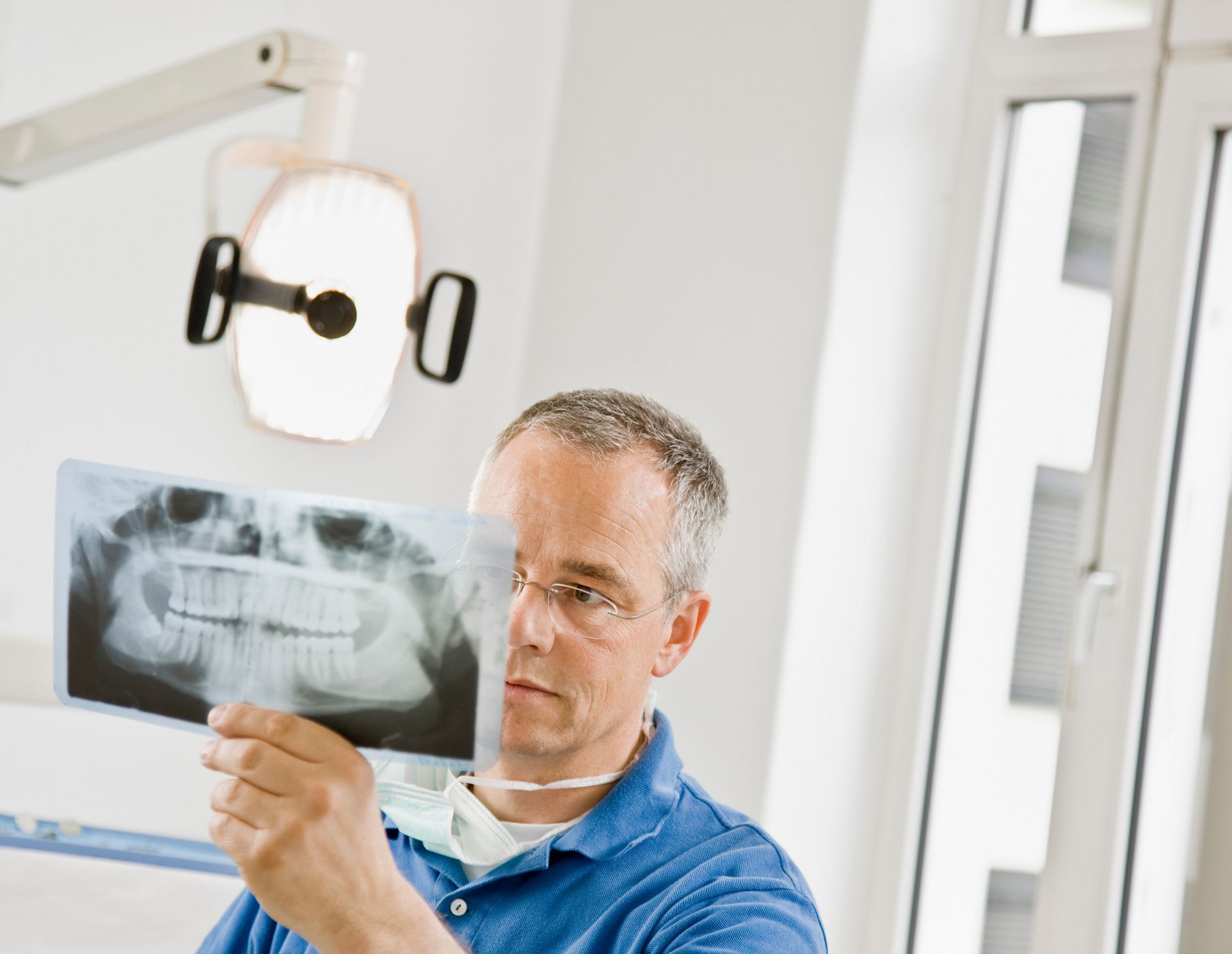
These issues are uncommon and are largely avoided through careful planning. Modern imaging lets the dentist map nerves and sinuses precisely before surgery, which is why thorough planning is so important.
When the upper jaw lacks enough bone height near the sinus, a sinus lift can add bone before the implant goes in, avoiding the problem entirely. Likewise, mapping the nerve canal in the lower jaw lets the dentist choose an implant length and position that keeps a safe distance, so these complications are the exception rather than the rule.
The Role of Precise Placement
Good positioning is about more than avoiding nerves and sinuses. An implant placed at the wrong angle or depth can cause bite problems, make cleaning difficult, or lead to an unnatural-looking restoration.
This is why experience and technology matter so much in implant dentistry. Detailed imaging and computer-guided planning prevent the majority of placement-related problems before the procedure even begins.
An implant that is well positioned is also easier for you to keep clean and looks more natural, which pays off for years. In other words, careful placement is not just about avoiding complications on the day of surgery; it sets up the long-term health and appearance of the implant.
Mechanical and Restoration Problems
Not every problem involves the implant itself. Sometimes the issue is with the crown, bridge, or hardware attached to it, which is usually a much simpler fix than anything involving the implant post.
Loose or Damaged Restorations
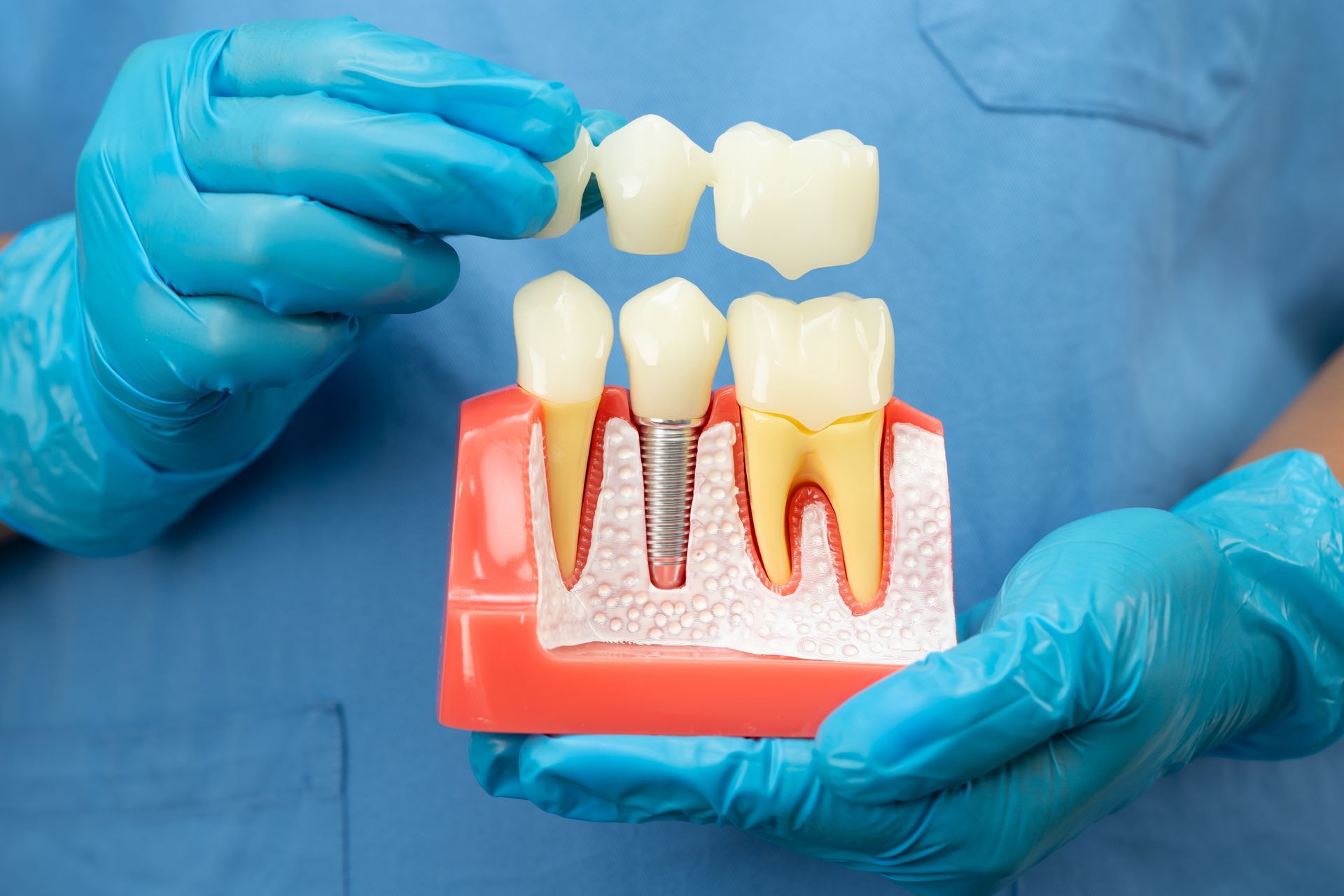
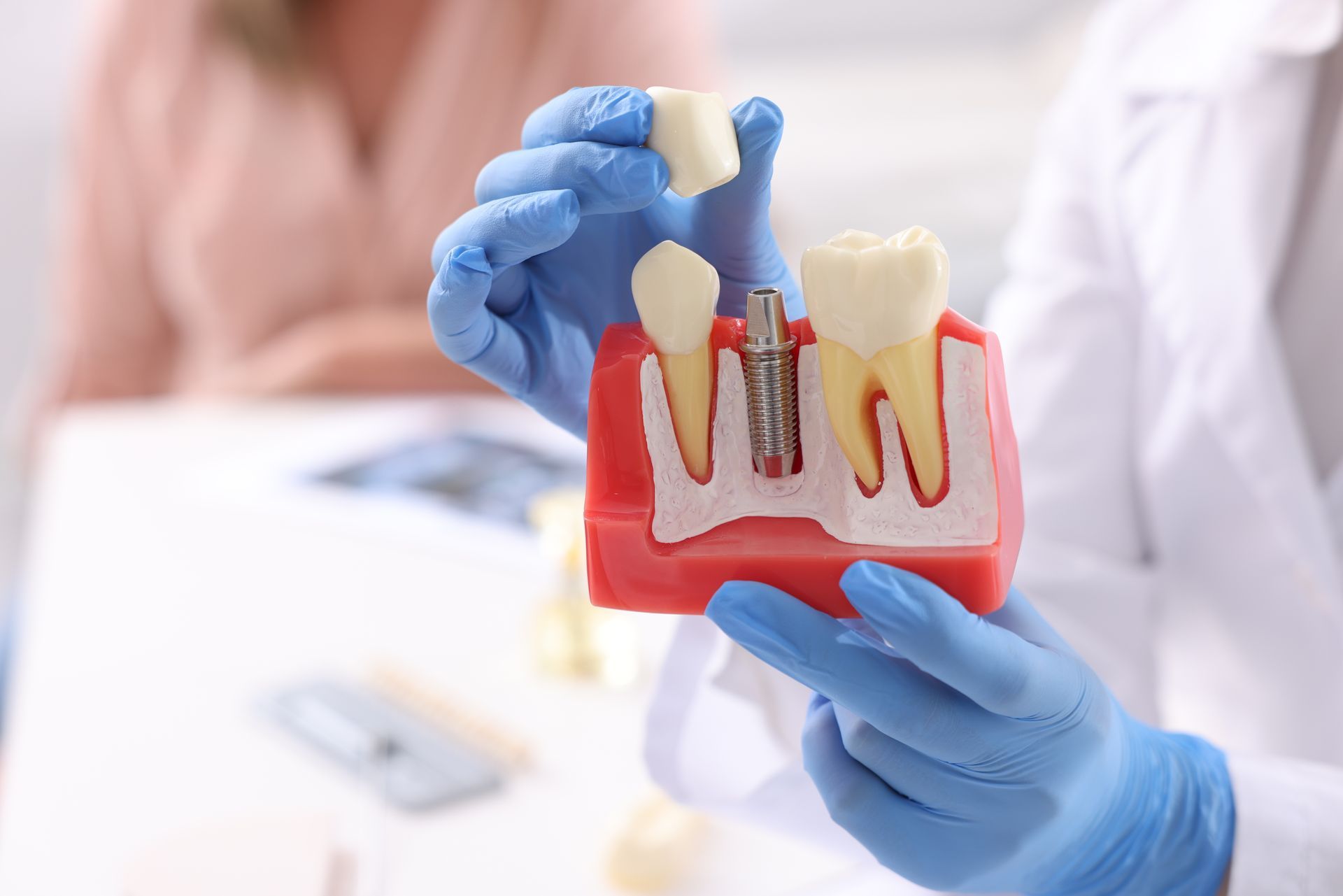
The crown or abutment attached to an implant can loosen or, less often, break over time. A loose crown or screw is usually a straightforward repair, not a failure of the implant itself.
- A loose crown can often be re-secured or replaced.
- A loosened abutment screw can typically be retightened.
- A cracked or worn restoration can be repaired or remade.
The important thing to understand is that a problem with the crown or abutment does not mean the implant itself has failed. The titanium post fused to your bone can be perfectly healthy while the visible tooth on top simply needs a repair, which is usually quick and far less involved than anything surgical.
Wear and Excessive Force
Grinding your teeth or biting very hard foods puts extra stress on implant restorations. Over time, this can wear or loosen components.
If you grind your teeth, a nightguard protects both natural teeth and implants. Being mindful of very hard foods helps too, which is part of why we cover habits like chewing gum with implants and daily care.
Grinding, known as bruxism, is easy to overlook because much of it happens during sleep. If you wake with jaw soreness or notice wear on your teeth, mention it to your dentist, since a simple custom nightguard can prevent years of extra stress on your implant restorations.
How to Avoid Implant Problems
Most implant problems are preventable, and prevention comes down to a few reliable habits. This is where you have the most control.
Before and During Treatment
Prevention starts before the implant is even placed. Choosing an experienced implant dentist and being fully evaluated first are the biggest early steps.
- Choose an experienced provider who uses proper imaging and planning.
- Get a full evaluation of your bone, gums, and health first.
- Address bone or gum issues before placement, such as with bone grafting.
- Be upfront about health factors like smoking or diabetes.
The evaluation stage is where many future problems are quietly prevented. If there is not enough bone, grafting can build a solid foundation before placement, and if gum disease is present, treating it first protects the implant from infection later. Taking the time to get the groundwork right is far easier than fixing a problem afterward.
After Your Implant Is Placed
Once your implant is in, day-to-day care determines its long-term health. The habits are simple and effective.
- Brush and floss around the implant as advised.
- Keep up regular checkups and professional cleanings.
- Wear a nightguard if you grind your teeth.
- Avoid tobacco, which is a major risk factor.
Consistent care and regular visits catch small issues before they grow, and our full-arch implant maintenance guide goes deeper on keeping implants healthy. To understand the overall investment you are protecting, see our dental implant cost guide.
Cleaning around an implant is a little different from cleaning a natural tooth, and your dentist can show you the tools that work best, from soft interdental brushes to a water flosser. A few minutes of proper daily care is the simplest and most powerful thing you can do to keep problems away for good.
Protecting Your Dental Implants
Most dental implant problems, from peri-implantitis to loosening to mechanical issues, are either preventable or very treatable when caught early. The keys are experienced placement, thorough evaluation of your bone and health, good daily hygiene, and regular checkups. With those in place, implants remain one of the most reliable and long-lasting ways to replace missing teeth.
At our Tampa implant practice, we plan carefully, place precisely, and support our patients in keeping their implants healthy for years. If you have concerns about an existing implant or are considering one, reach out to our team. We will give you a clear evaluation and a plan to protect your smile.
Frequently Asked Questions
What is the most common problem with dental implants?
The most common problem is peri-implantitis, an infection of the gum and bone around the implant that is similar to gum disease. It is driven largely by plaque buildup, which makes it one of the most preventable issues through good hygiene and regular cleanings.
Can a failing dental implant be saved?
Often yes, if caught early. Gum inflammation and early infection can usually be treated with cleaning and improved hygiene before bone loss occurs. Once significant bone loss or full failure has happened, the implant may need to be removed and replaced, sometimes after bone grafting.
Do dental implants cause nerve or sinus problems?
These issues are uncommon and are largely prevented by careful planning. Modern imaging lets the dentist map nerves and the sinus cavity precisely before surgery, so an experienced provider using proper planning avoids the vast majority of placement-related problems.
How do I know if something is wrong with my implant?
Warning signs include pain, swelling, redness or bleeding around the implant, a loose feeling, or a loose crown. Any of these is worth a prompt exam. Many problems, especially early gum inflammation, are easily treated when addressed quickly.
How can I prevent problems with my dental implant?
Choose an experienced implant dentist, address bone or gum issues before placement, and be upfront about health factors like smoking. After placement, brush and floss around the implant, keep up regular checkups and cleanings, wear a nightguard if you grind, and avoid tobacco.
Share This Blog